Planning guides
Removal vs. remediation vs. restoration
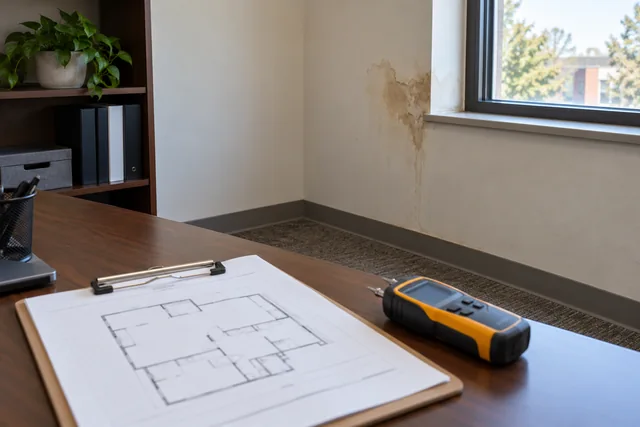
Mold removal addresses affected material, remediation addresses the contamination problem, and restoration repairs the building. Compare the scope and handover.

Gettysburg Mold Remediation Help
Gettysburg Mold Remediation Help publishes guides that explain costs, timing, insurance and preparation for mold cleanup in Gettysburg, so you can plan the work around your property and household.
Updated October 26, 2026
Explore remediation costs, timelines, insurance and preparation.
Planning guides
Mold removal addresses affected material, remediation addresses the contamination problem, and restoration repairs the building. Compare the scope and handover.
Planning guides
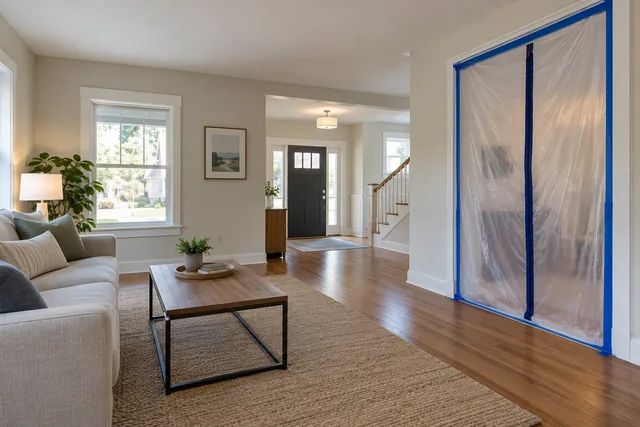
Staying home during mold remediation requires a project-specific occupancy decision. Consider health concerns, shared HVAC, access and cleanup completion.
Planning guides
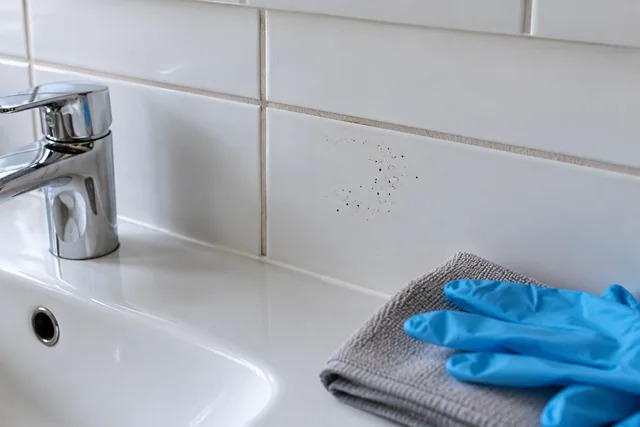
EPA's roughly 10-square-foot guide is a starting point, not a safety threshold. Compare small surface cleanup with hidden or contaminated-water problems.
Planning guides
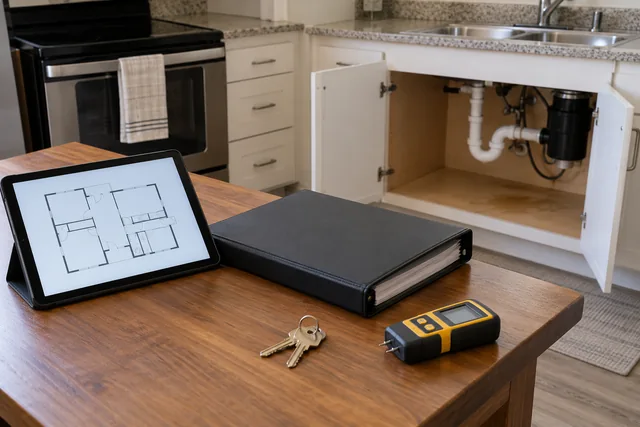
A property-manager workflow for mold reports, unit access, shared moisture sources, occupant updates and documented completion in Gettysburg buildings.
Planning guides
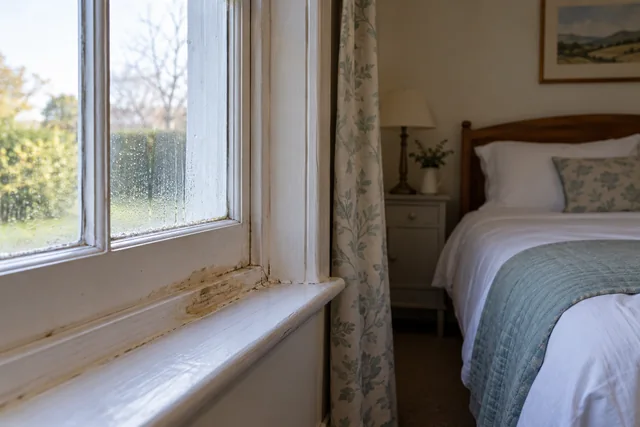
Hotel mold requires a room-level and building-level response. Review moisture sources, shared HVAC, guest communications and reopening criteria.
Understanding mold
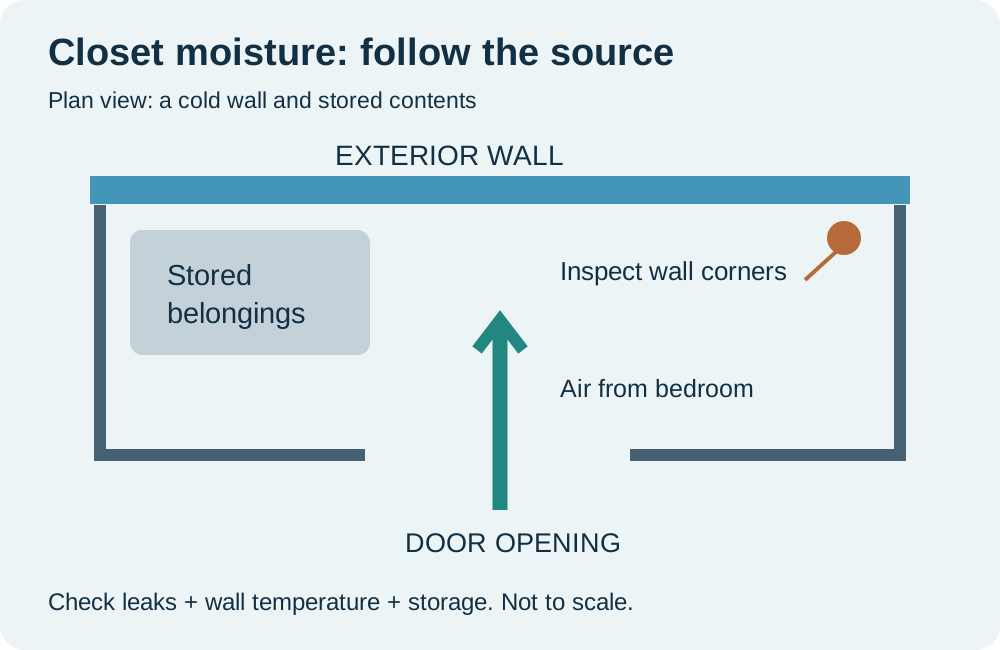
Mold in a closet needs moisture correction and cleanup. Compare cold walls, leaks, humidity readings and material decisions before returning stored clothes.
Understanding mold
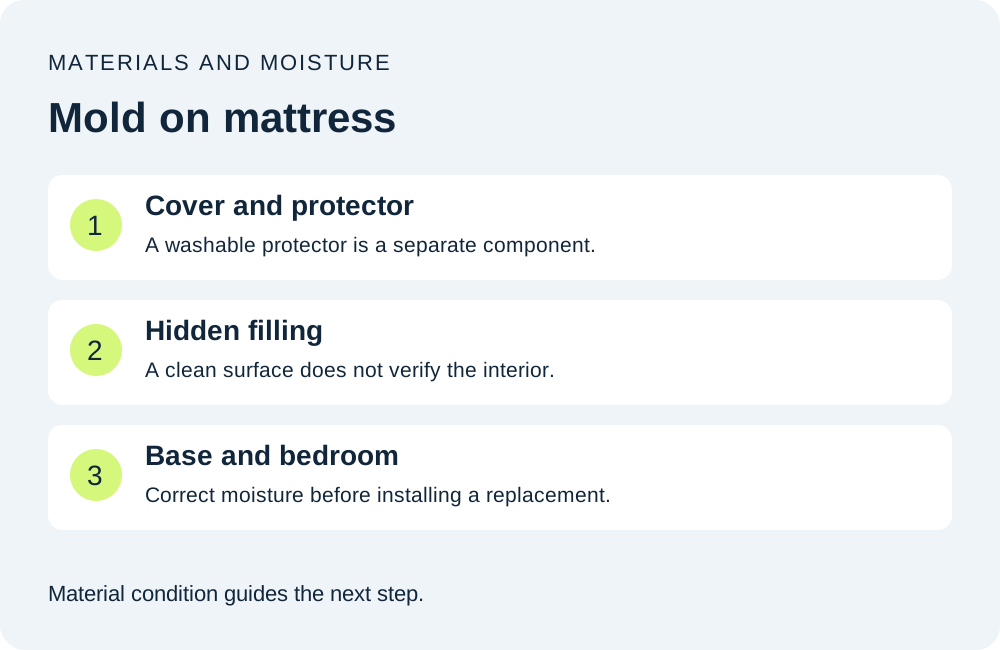
Mold on a mattress requires a replacement decision and moisture assessment. Compare protectors, hidden foam, bed bases and the limits of surface cleaning.
Understanding mold
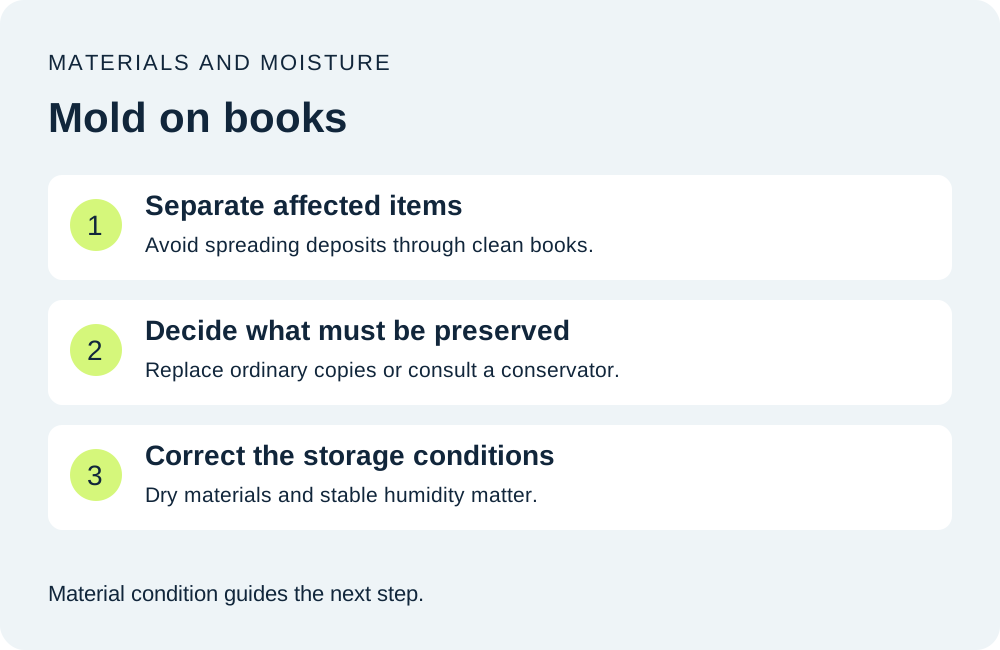
Mold on books needs separate decisions for replaceable copies and unique records. Learn isolation, drying, freezing limits and conservation options.
Understanding mold
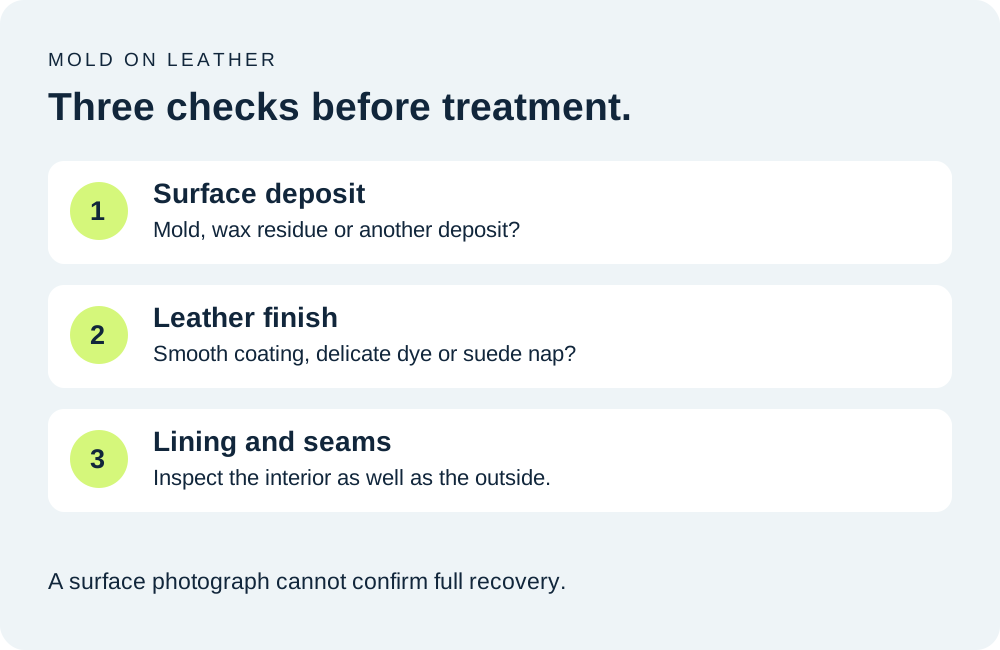
Mold on leather needs separate checks of deposits, finish and lining. Compare recovery limits, suede precautions, storage conditions and conservation options.
Understanding mold
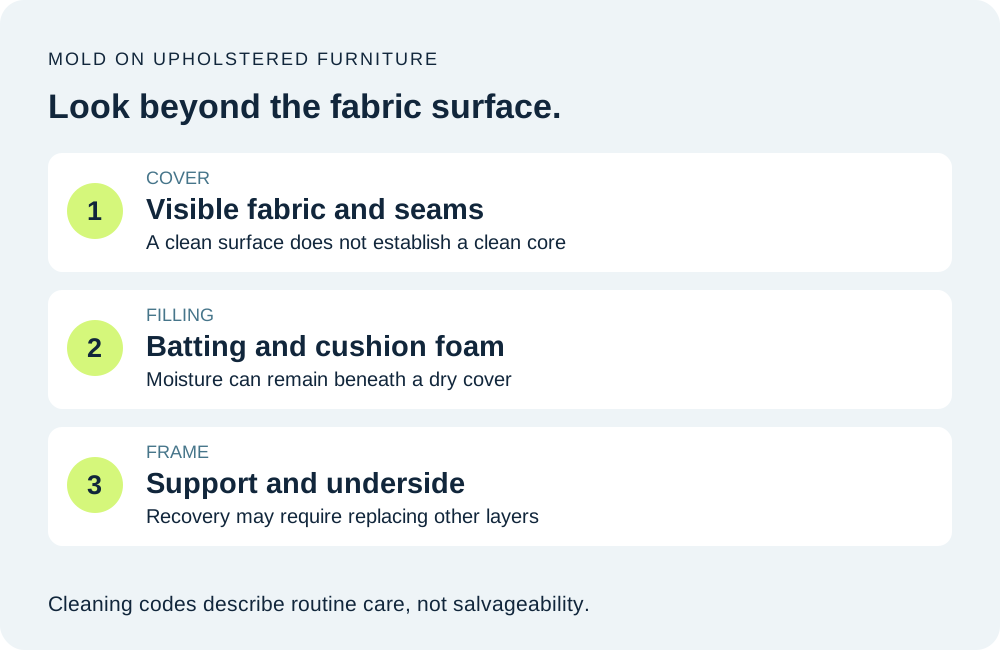
Mold on upholstered furniture needs a cover, filling and frame assessment. Compare salvage limits, upholstery cleaning codes, drying and replacement decisions.
Understanding mold
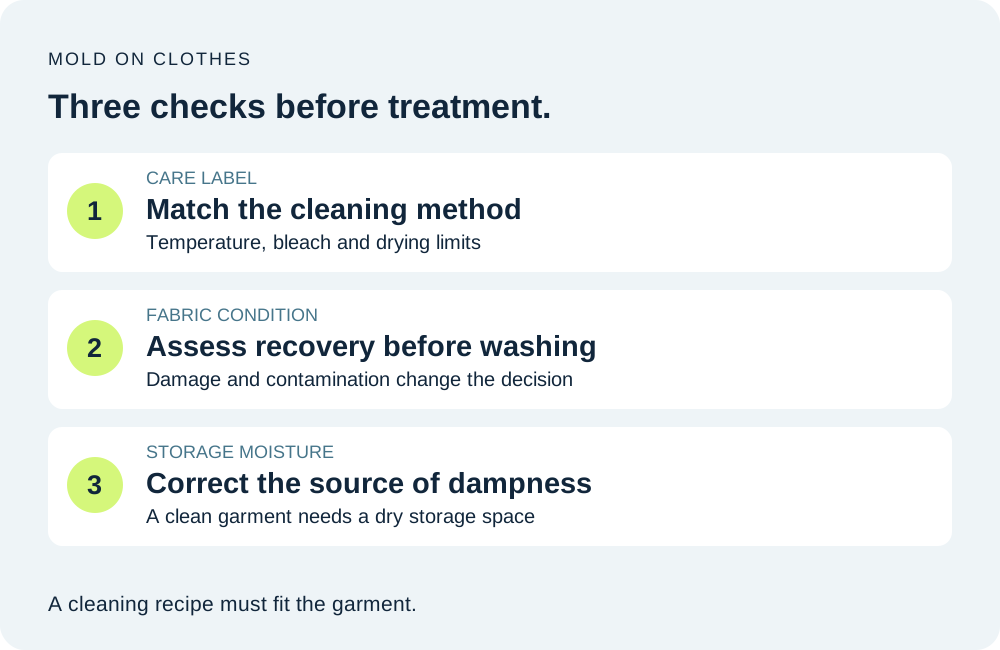
Mold on clothes needs a care-label check, compatible washing and complete drying. Compare cleaning limits, damaged fabrics and damp storage that causes recurrence.
Understanding mold
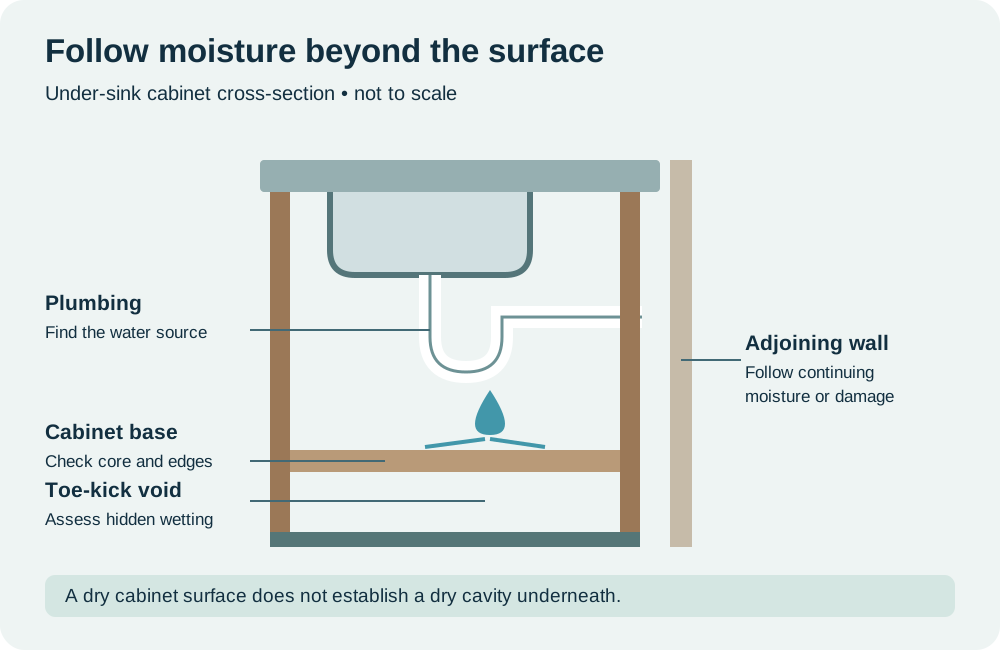
Mold under a kitchen sink needs leak repair and a cabinet assessment. Compare cleanable surfaces, damaged panel cores and hidden moisture behind the cabinet.
Understanding mold
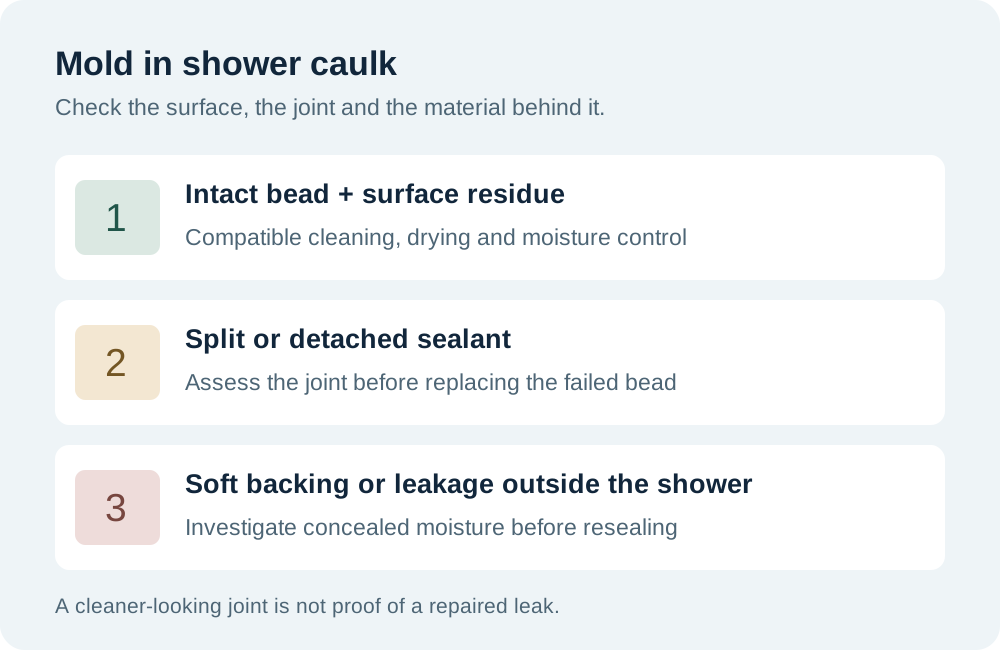
Mold in shower caulk needs surface cleaning or failed-seal replacement. Compare residue, detached joints, hidden moisture and product-specific curing times.
Understanding mold
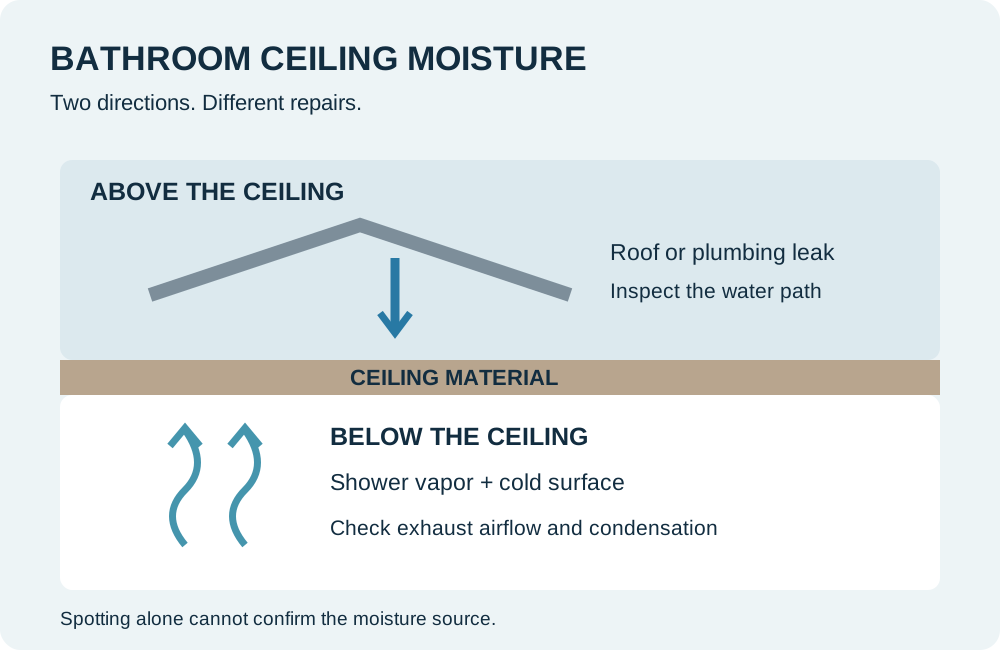
Bathroom ceiling mold needs moisture-source repair and material assessment. Compare condensation, roof leaks, fan performance and ceiling replacement decisions.
Understanding mold
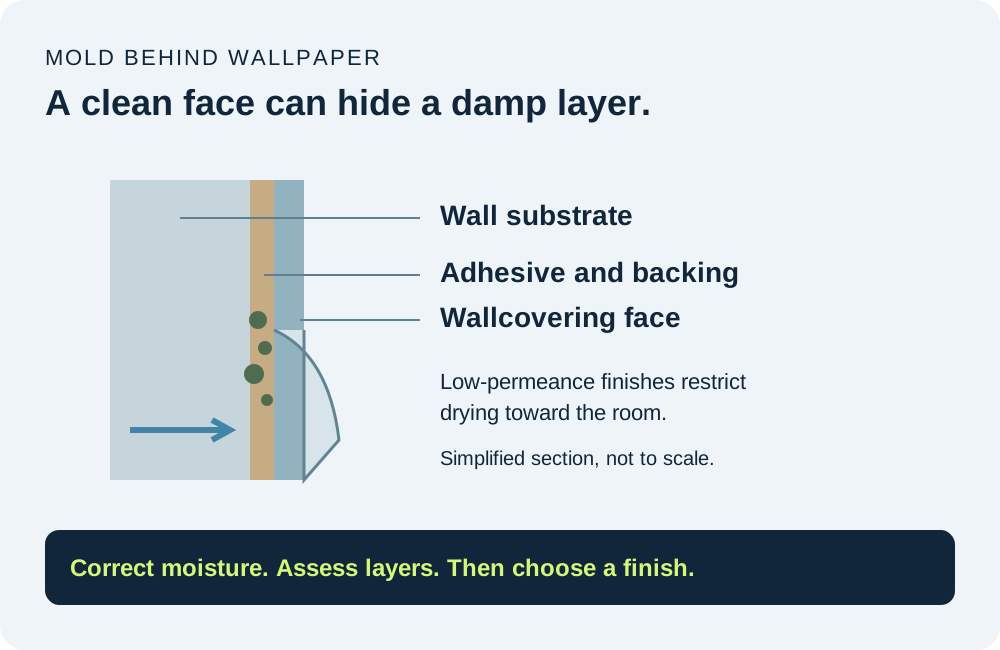
Mold behind wallpaper requires moisture investigation and assessment of the backing and wall. Learn what peeling proves, when removal needs help and when to refinish.
Understanding mold
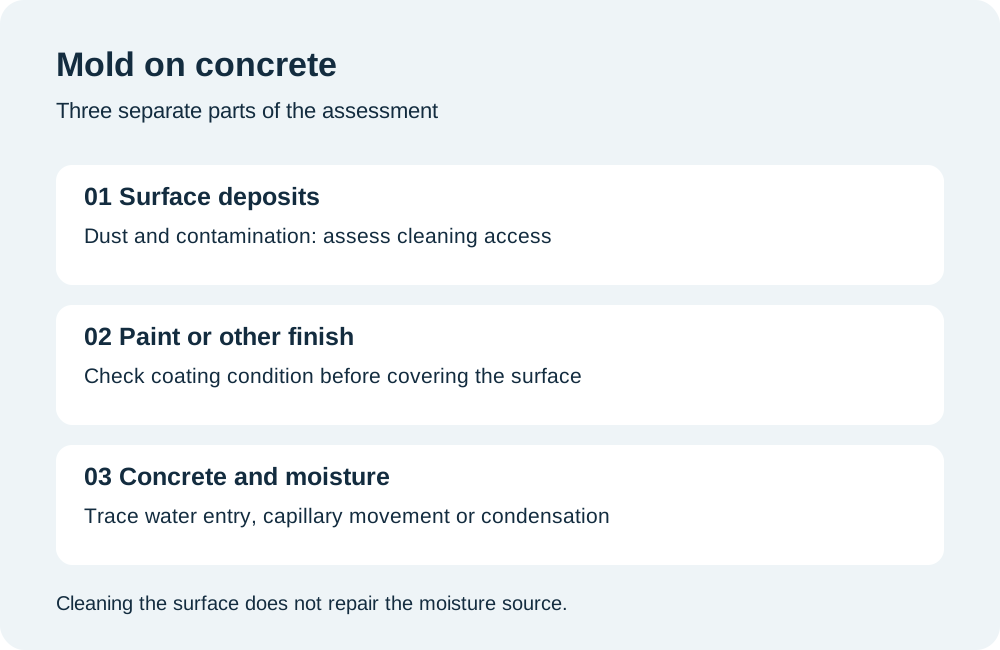
Mold on concrete needs surface cleaning and moisture correction. Learn how dust, paint, groundwater and condensation affect basement walls and floors.
Understanding mold
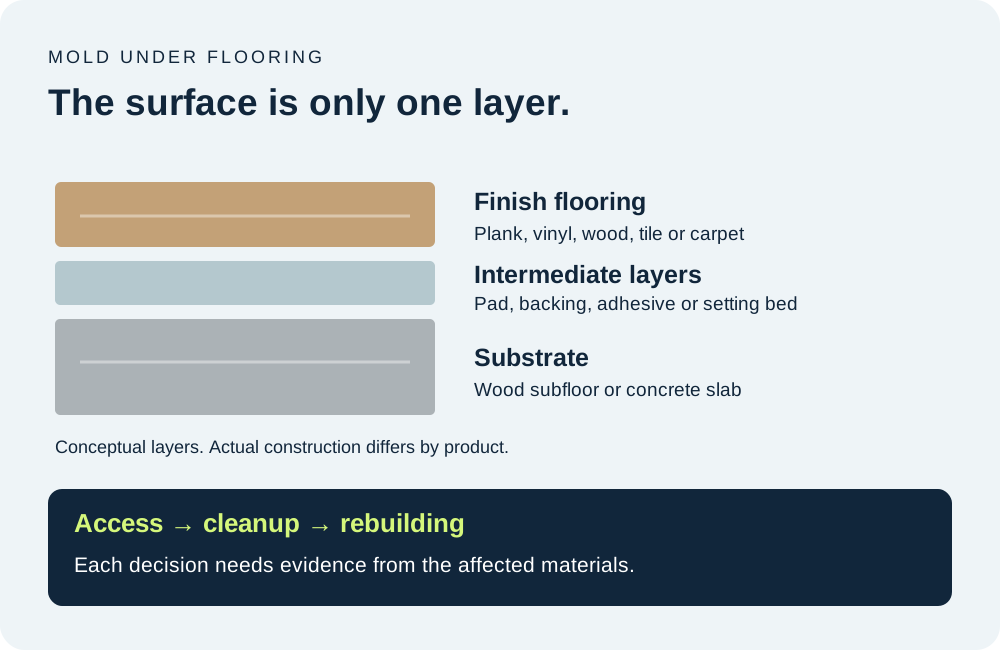
Mold under flooring requires assessment of the finish, underlay and subfloor. Learn what needs removal and which moisture measurements matter before rebuilding.
Understanding mold
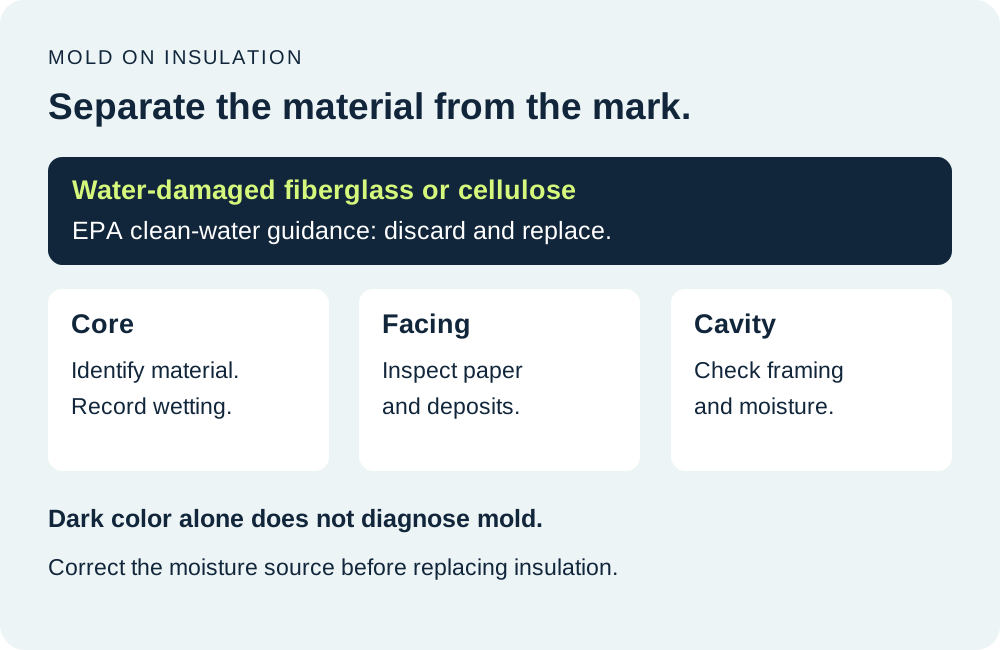
Mold on insulation needs a material-specific decision. EPA recommends replacing water-damaged fiberglass and cellulose. Learn about facing, dust and moisture checks.
Understanding mold
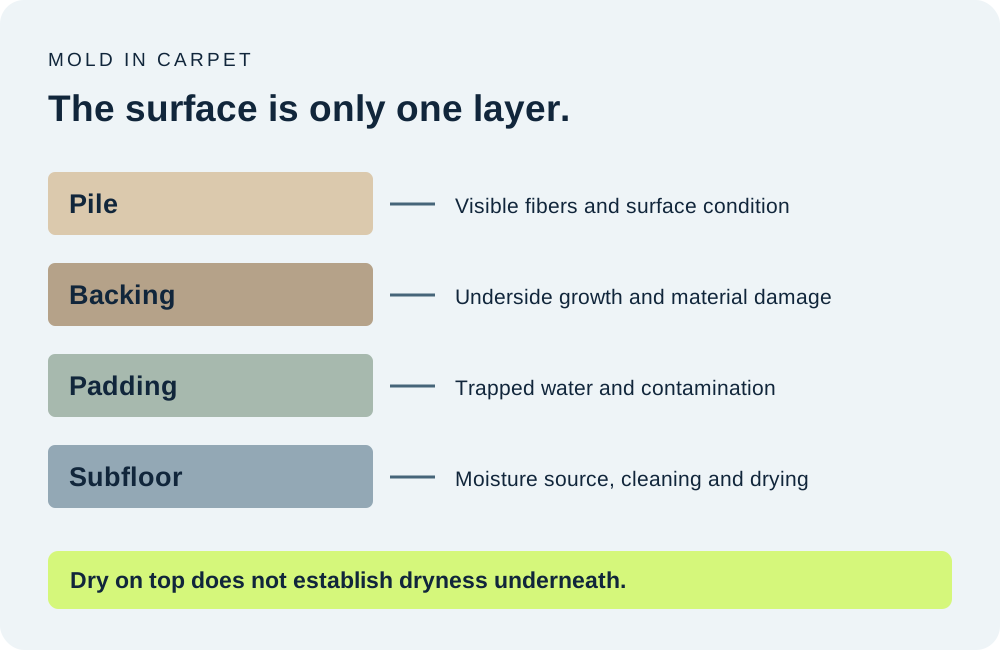
Mold in carpet may require replacement. Learn how backing, padding, water exposure and subfloor moisture affect cleaning, drying and disposal decisions.
Understanding mold
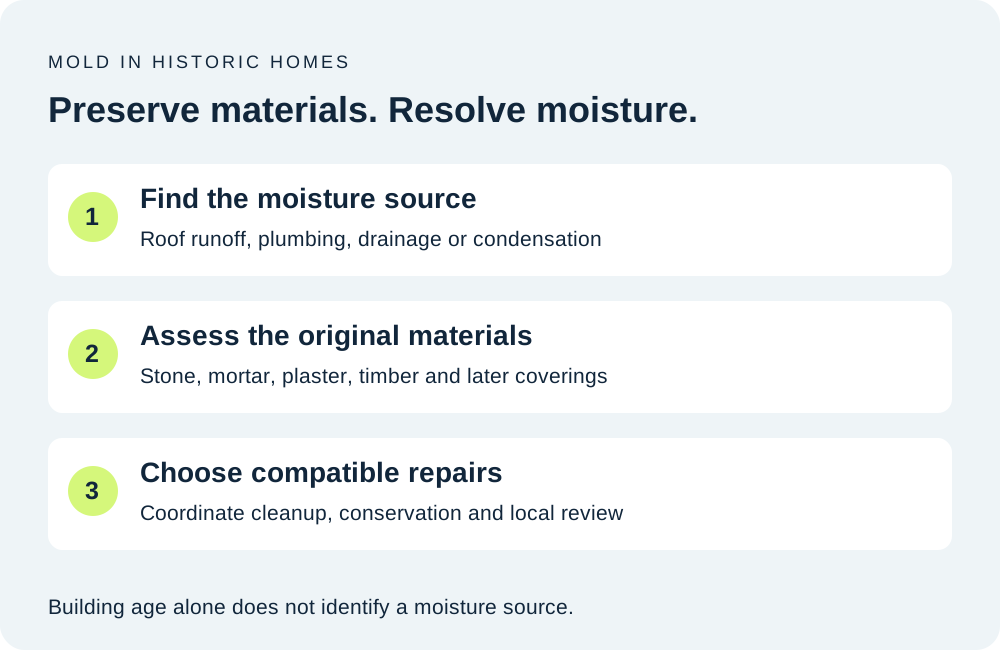
Mold in historic homes requires moisture control and material-specific assessment. Compare stone, mortar, plaster and timber, plus Gettysburg historic-review rules.
Understanding mold
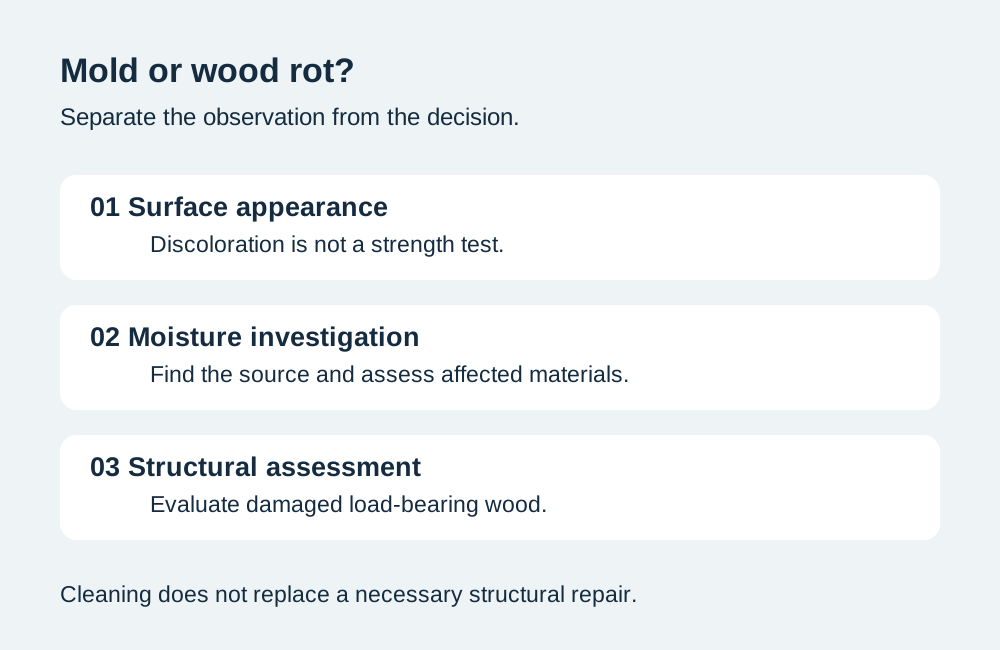
Wood rot degrades structural components. Mold discoloration alone does not establish decay. Compare visible signs, moisture readings and structural assessment needs.
Understanding mold
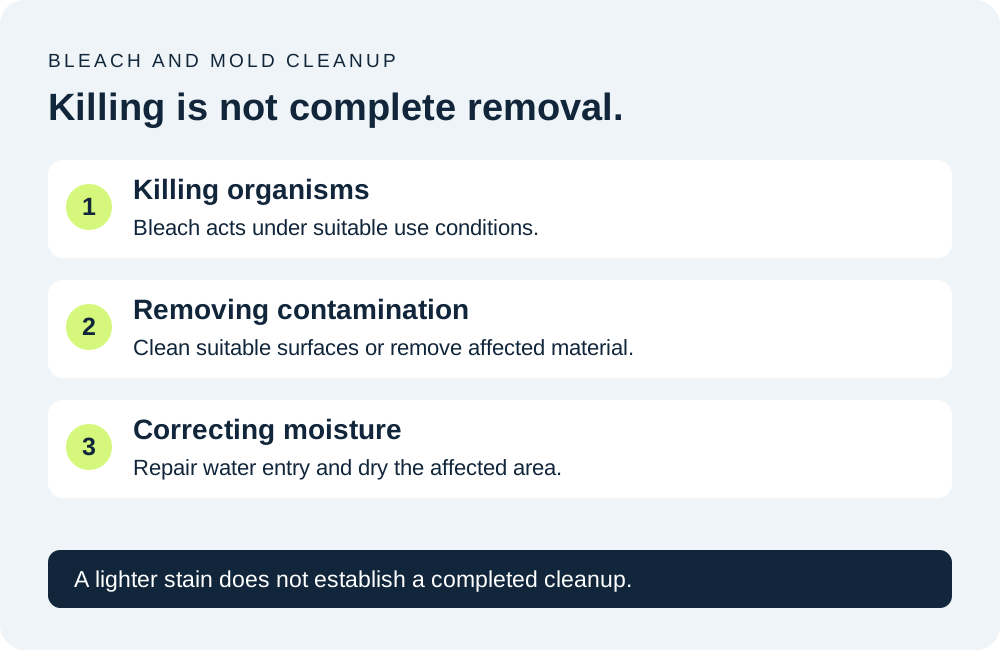
Chlorine bleach can kill mold, but killing does not remove contamination. Compare EPA and CDC guidance, porous materials, contact time and cleanup limits.
Understanding mold
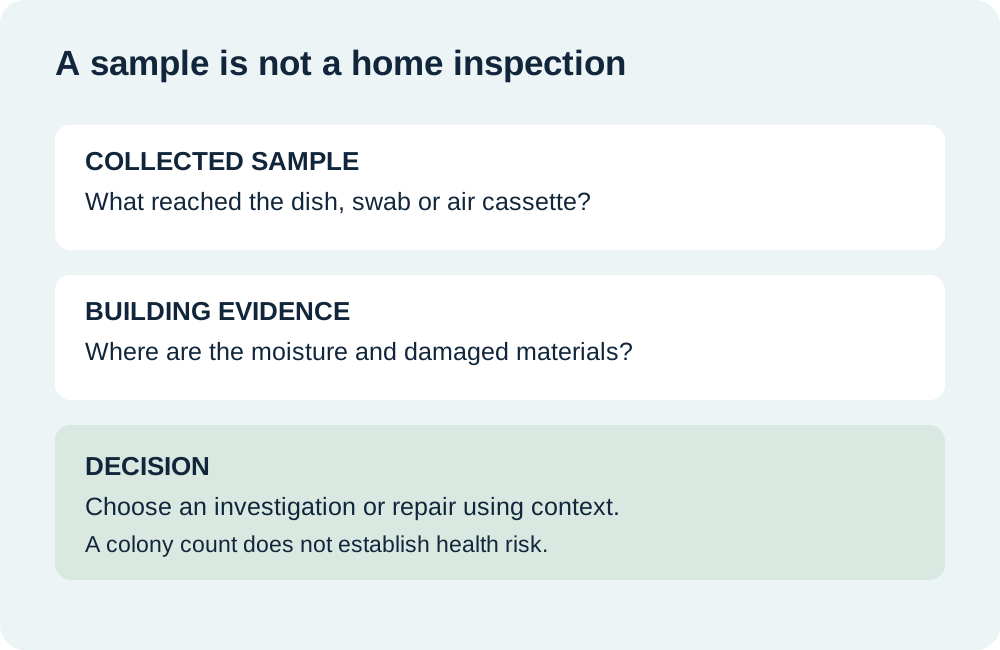
Home mold test kits cannot establish whether an entire home has a mold problem. Compare settle plates, swabs, laboratory samples and moisture inspection.
Understanding mold
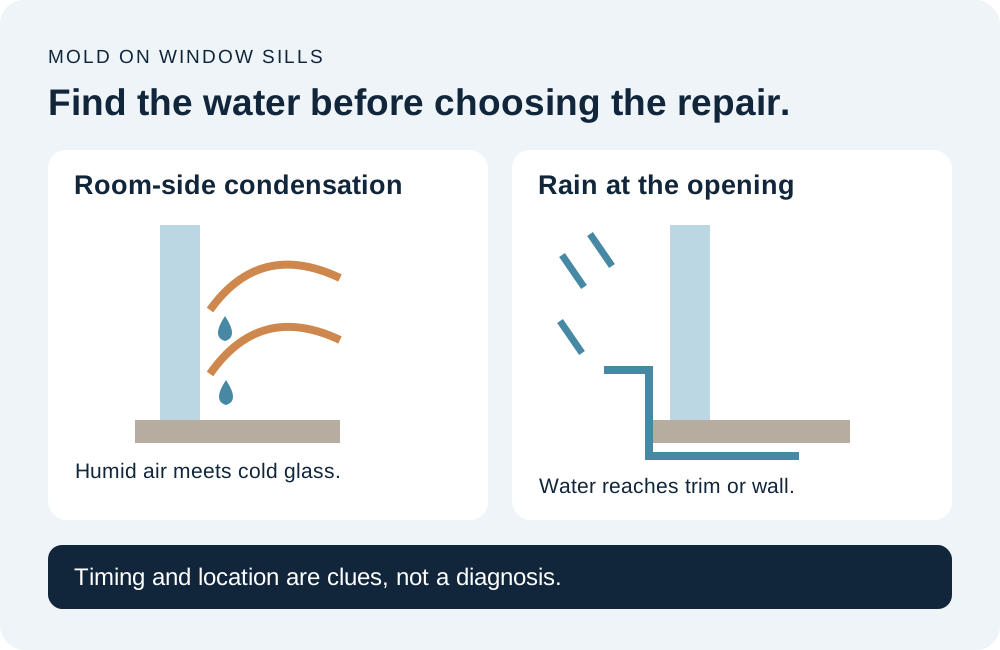
Window sill mold: EPA guidance covers DIY cleanup below about 10 sq. ft. in most cases. CDC recommends humidity at 50% or lower. Fix recurring moisture.
Understanding mold
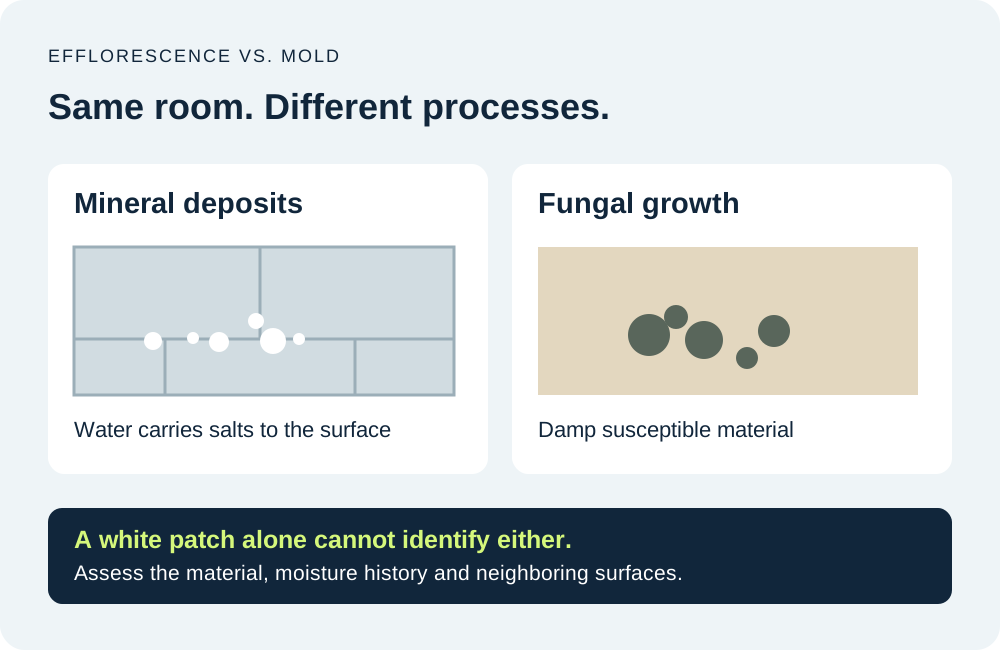
Learn how mineral deposits differ from mold on basement walls, why appearance and water tests can mislead, and when moisture or damaged materials need attention.
Understanding mold
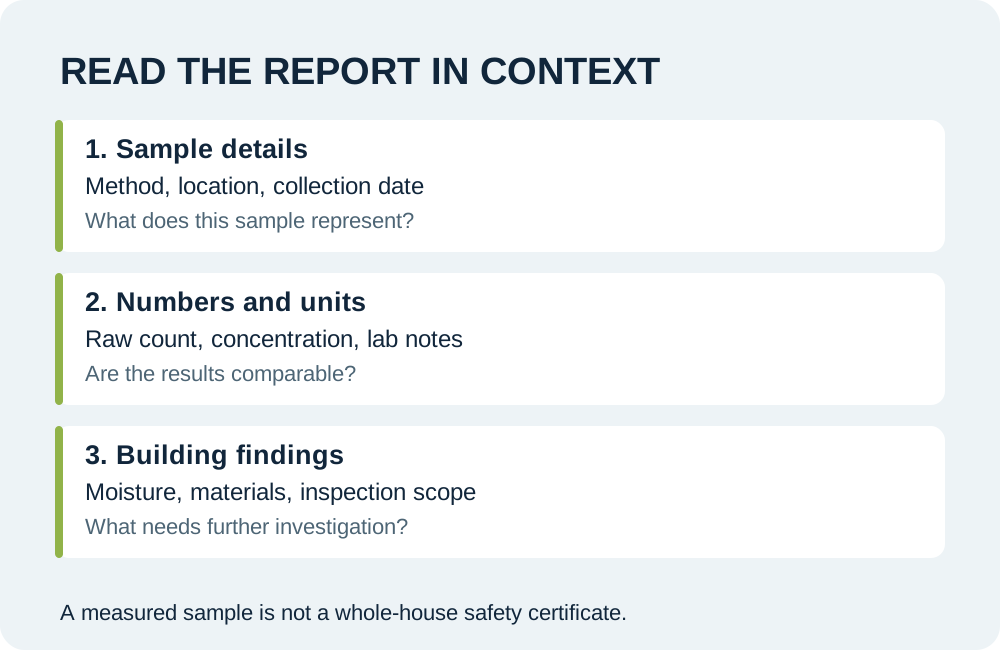
Understand mold test report columns, spores per cubic meter, indoor-outdoor comparisons and non-detects, with clear examples and the limits of each result.
Understanding mold
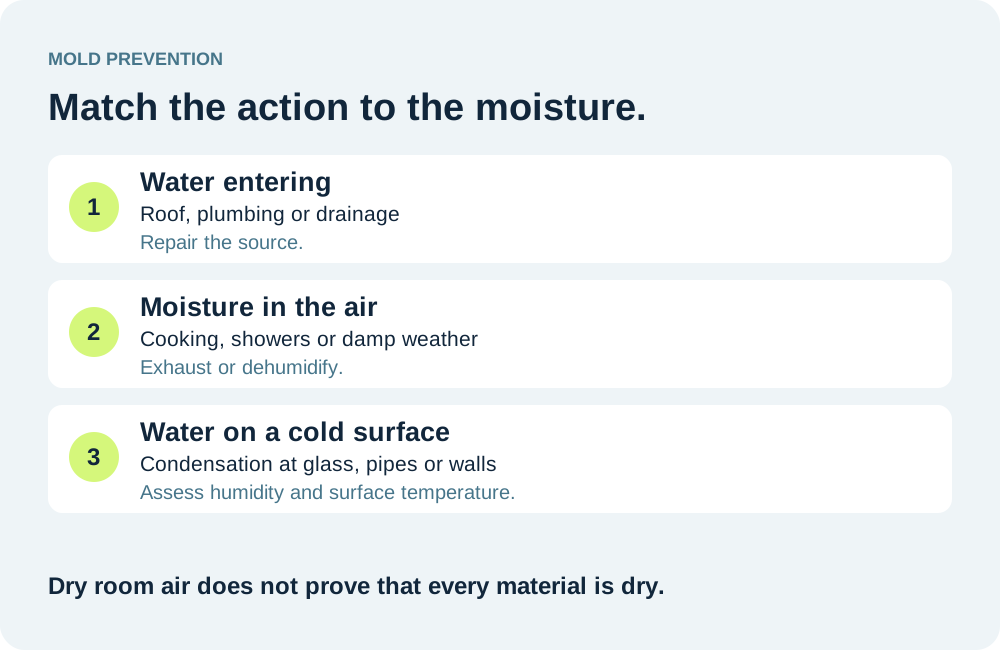
Prevent mold with practical humidity targets, leak repairs and room-specific moisture control. Learn what dehumidifiers and ventilation can and cannot fix.
Understanding mold
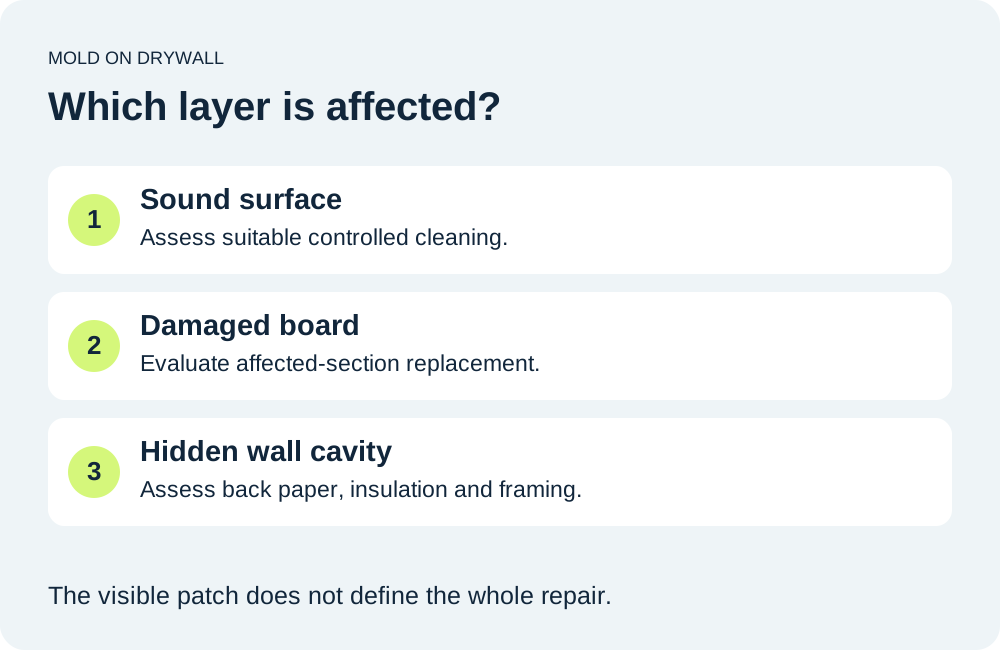
Learn when mold on drywall can be cleaned, when damaged board needs removal, how hidden wall growth changes the scope, and what to verify before repairs.
Understanding mold
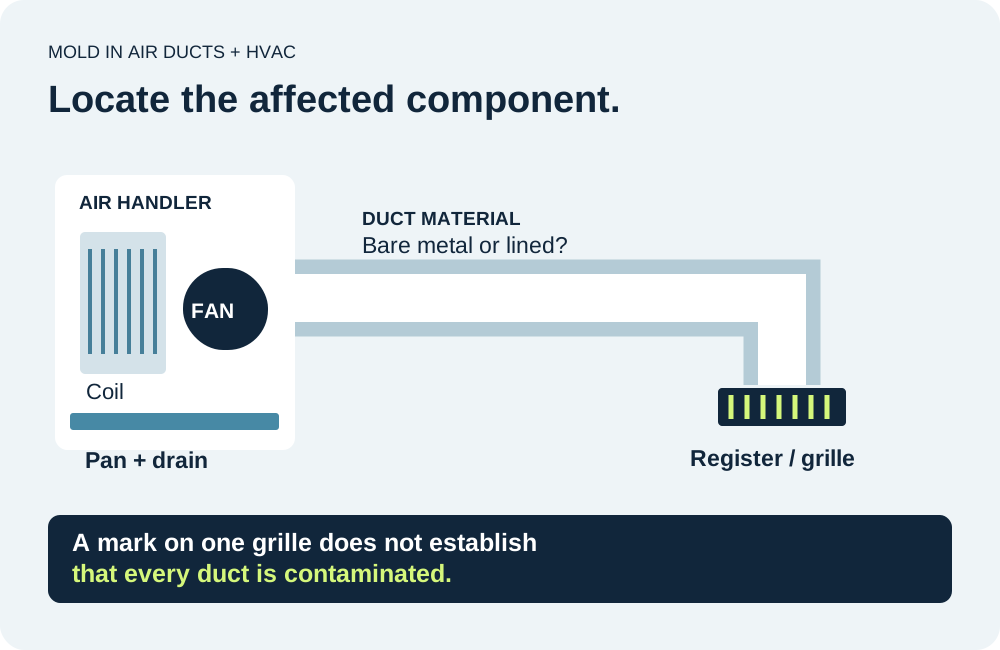
Find out what mold in air ducts looks like, when to stop the HVAC system, and which vents, metal ducts, coils or insulation need cleaning or replacement.
Understanding mold
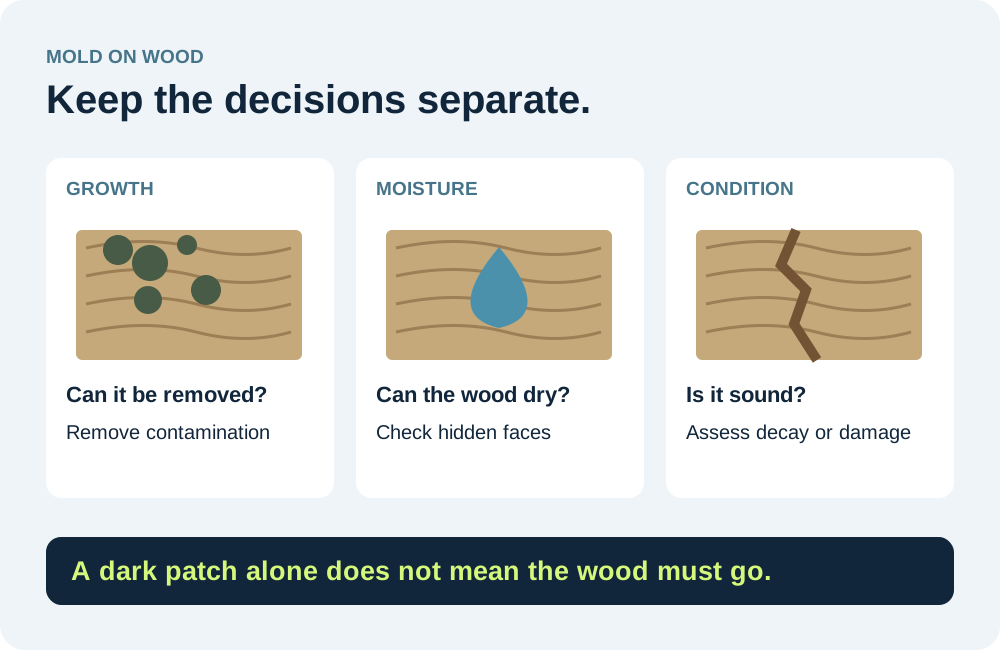
Learn when moldy wood can be saved, how mold differs from rot, and what plywood, OSB, floor joists and furniture need before cleaning or replacement.
Understanding mold
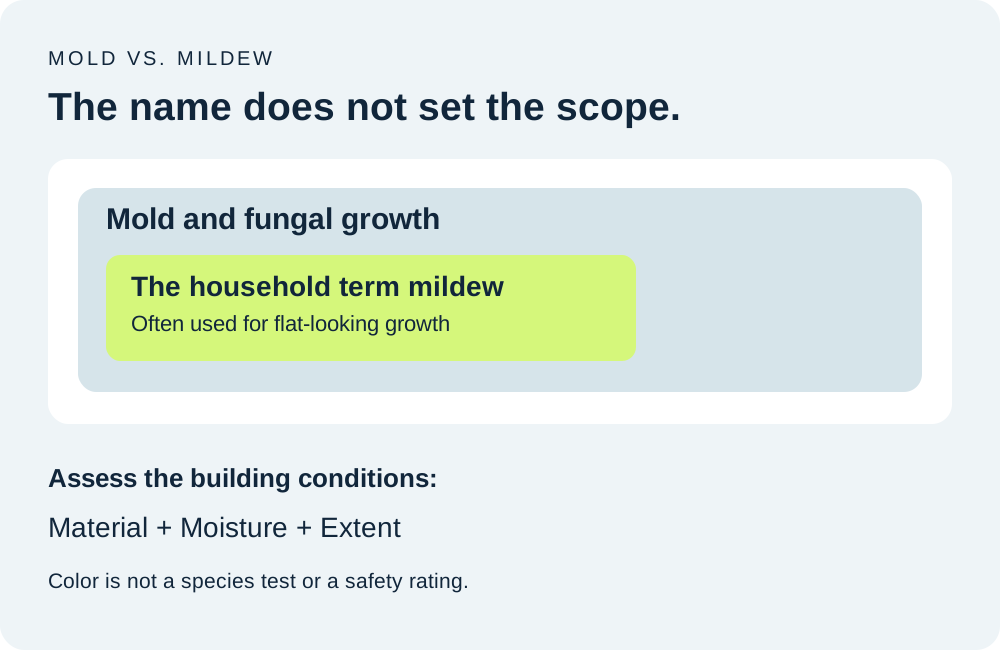
Understand mold vs. mildew, why color cannot determine risk, and how surfaces, hidden moisture and recurring growth change the cleanup decision.
Understanding mold
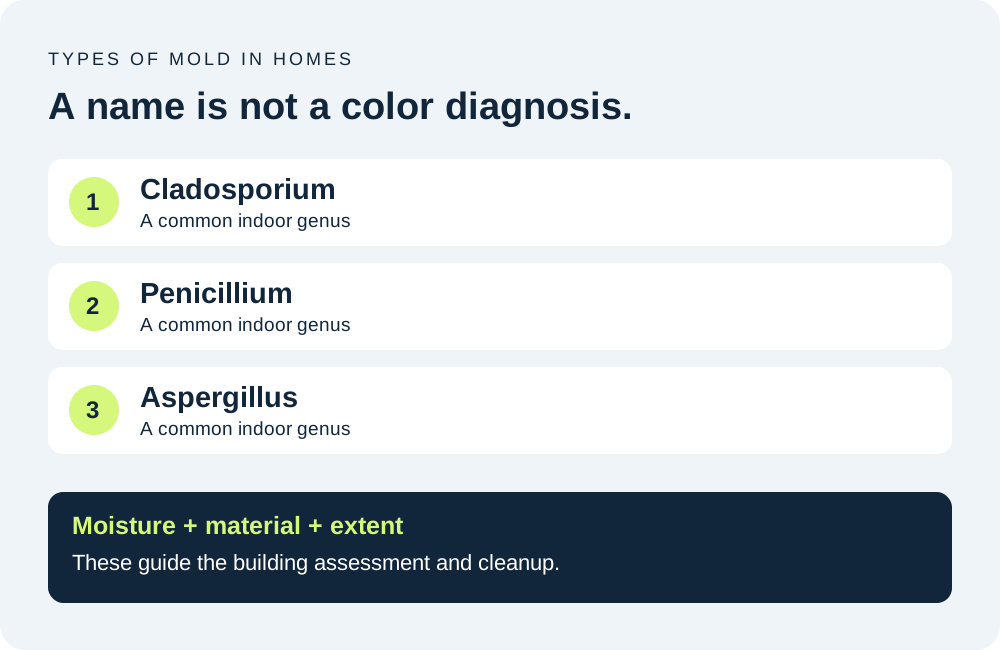
Learn the common types of household mold, why color cannot identify a species, and how moisture, materials and testing affect the cleanup decision.
Understanding mold
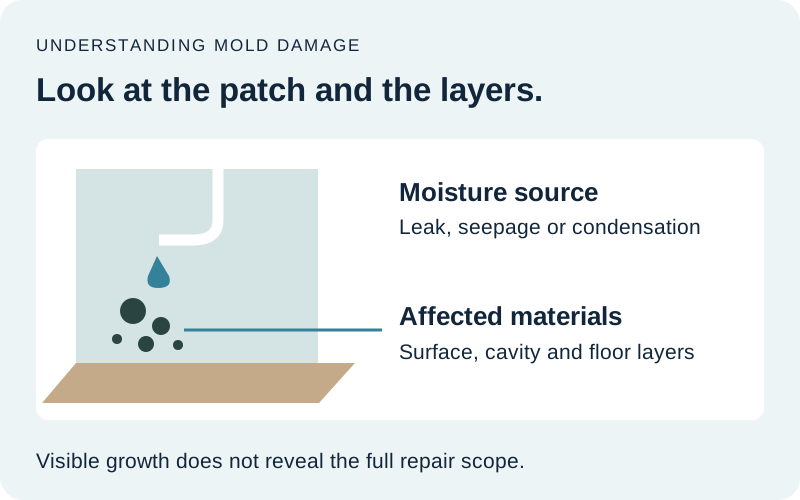
Understand water damage, affected drywall, carpet and wood, repair decisions and insurance for homeowners.
Understanding mold
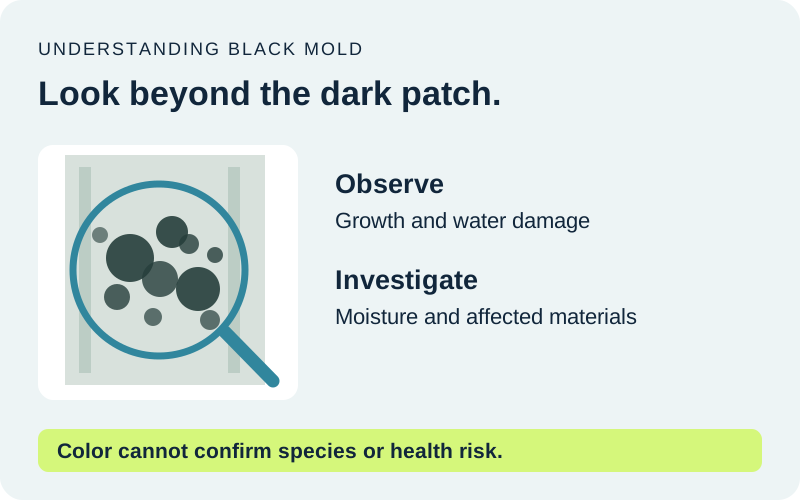
Identify warning signs, understand testing and health questions, and learn when to get cleanup help.
Homeowner guide
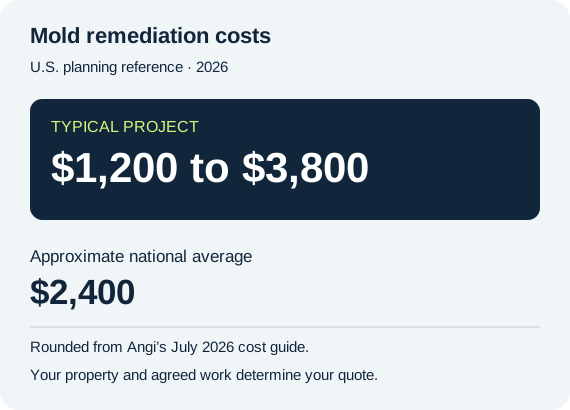
Mold remediation costs $1,223 to $3,757 nationally (Angi, July 2026). See 2026 price ranges by room, per square foot and for inspection, with sources.
Homeowner guide
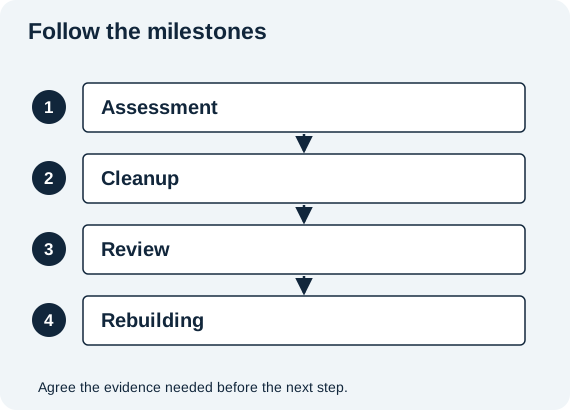
Plan a mold remediation timeline around assessment, scheduling, cleanup, drying, completion review, and rebuilding instead of a universal day count.
Homeowner guide
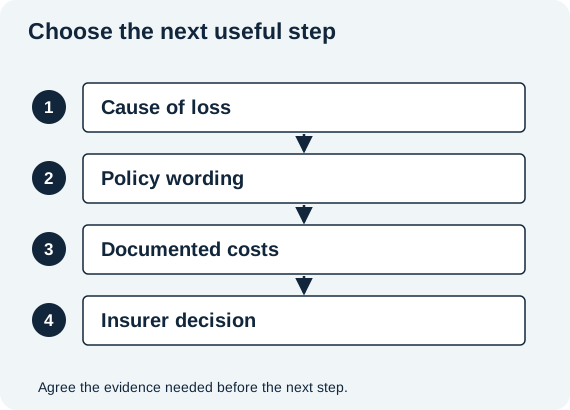
Organize policy questions and claim records for mold remediation in Pennsylvania: cause, exclusions, limits, repairs, contents, and written decisions.
Homeowner guide
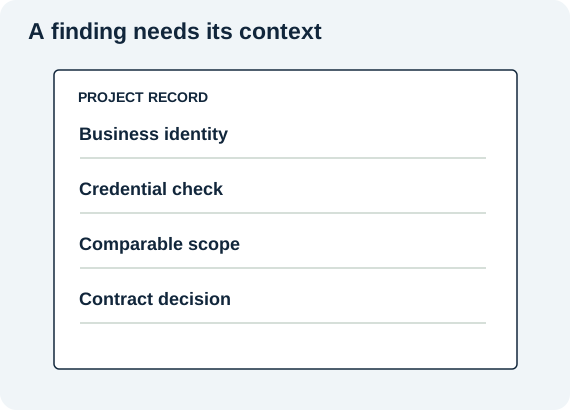
Compare mold remediation companies using relevant experience, written scopes, credentials, references, change terms, and completion records.
Homeowner guide
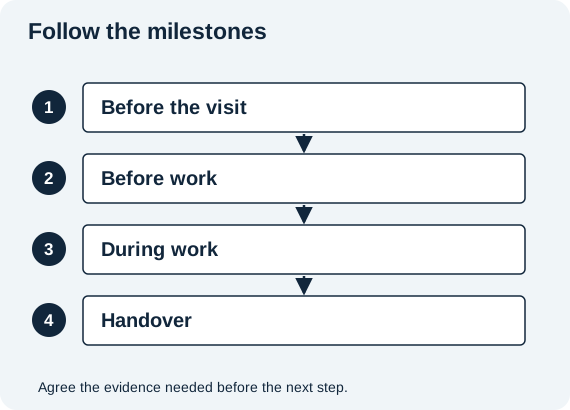
Learn how to prepare for mold remediation, including property access, belongings, household arrangements and completion records.