
Should you clean or replace a mattress with mold?
A mattress with confirmed mold should be replaced rather than treated as a routine upholstery-cleaning job. Manitoba Health's household mold guidance states that a moldy mattress cannot be cleaned. A washable protector with a mark is a separate item and needs a separate assessment.
Mattress surfaces provide an incomplete view of the interior. A stain that disappears after wiping does not demonstrate removal from hidden filling. A new cover also leaves the original material underneath.
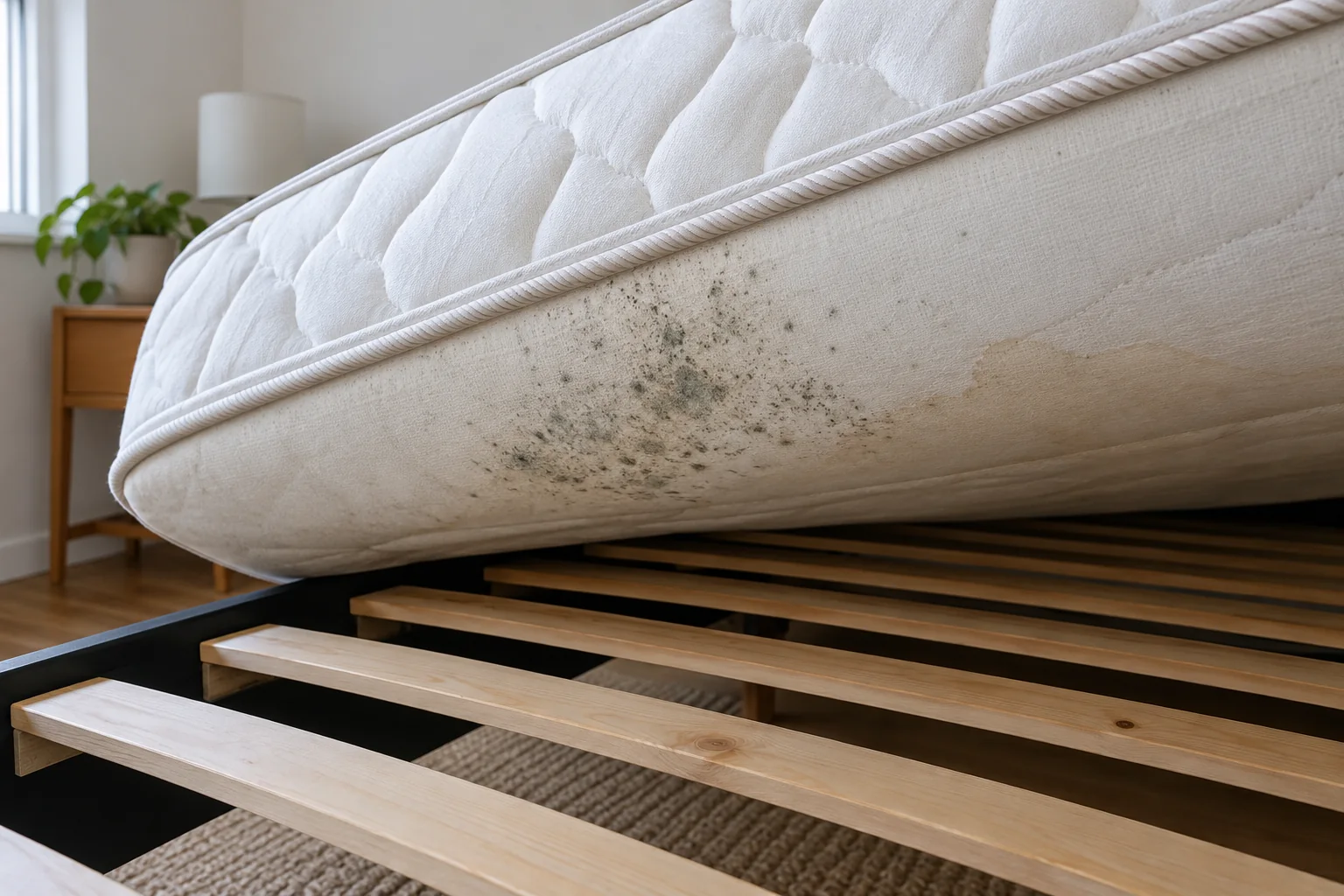
Mattress recovery advice should identify which component is affected before discussing a treatment. A removable protector, fixed fabric cover, foam core and bed frame are not interchangeable surfaces. Routine deodorizing addresses smell without establishing the condition of those layers.
| Component | Main question | Practical decision |
|---|---|---|
| Washable sheet or removable protector | Is the problem confined to a separate washable item? | Follow its care label and inspect the mattress underneath. |
| Mattress cover attached to internal filling | Does confirmed mold involve the mattress itself? | Plan replacement rather than assuming a surface wash restores it. |
| Foam topper or padded layer | Is porous material affected beyond an accessible face? | Do not assume a laundry cycle or spray cleans the interior. |
| Bed slats, frame or floor | Is moisture or growth present independently of the mattress? | Assess the affected material and correct the moisture source before installing a replacement. |
What does mold on a mattress look like?
Mattress mold can appear as irregular spots or surface growth, but color alone cannot confirm mold or identify a species. A musty smell, damp fabric or a history of water intrusion supports further investigation. A dry stain or odor alone does not establish the cause.
Mattress inspection should include accessible seams, the underside and nearby surfaces without cutting the mattress open. A protector removed for inspection should follow the manufacturer's instructions. An ordinary stain should not be labeled toxic black mold from a photograph.
Household mold identification requires context beyond a color chart. The guide to common indoor mold types and identification limits explains why appearance cannot supply a reliable species diagnosis. A professional assessment focuses on moisture and affected materials when the cause remains uncertain.
Why does mold grow underneath a mattress?
Mold underneath a mattress requires moisture that remains at the fabric or supporting surface. A leak, spill, damp room or condensation can supply that moisture. The underside is easy to miss when inspection stops at the sleeping surface.
Bed-base inspection should consider both moisture and drying access. A mattress pressed against a damp surface needs a different response from a dry mattress with a stained protector. A new mattress placed on an unresolved wet base remains exposed to the original problem.
| Clue | Area to examine | Decision before reuse or replacement |
|---|---|---|
| Wet underside with a dry-looking top | Bed base, floor and room humidity | Find the moisture source instead of cleaning only the top fabric. |
| Damage near an exterior wall | Wall dampness, window leaks and condensation | Address building moisture as well as the bed. |
| Recent spill or leak | Depth of wetting and hidden padding | Follow material-specific drying advice immediately. |
| Problem after storage | Storage-room dampness and wrapped contents | Inspect the whole item before moving it into a bedroom. |
Will vinegar, alcohol, steam or sunlight make a moldy mattress safe?
A spray, steam treatment or period in sunlight does not establish that a moldy mattress is suitable to keep. A surface-treatment result cannot verify inaccessible layers. Killing mold and physically removing affected material are different outcomes.
Mattress care must follow the product's instructions. Adding liquid to absorbent filling creates a further drying problem. Chemical mixtures and unverified disinfectant recipes are inappropriate substitutes for a decision about the affected mattress.
EPA's mold and moisture guide distinguishes cleanup from merely killing mold. Dead mold can still provoke allergic reactions. An odor-free or bleached-looking cover is not a clearance test for the mattress core.
Is sleeping on a moldy mattress a health concern?
Sleeping on a mattress with mold creates avoidable exposure and warrants a different sleeping arrangement while the problem is addressed. Mold exposure may cause irritation or allergic reactions in some people. Symptoms cannot identify a specific mattress as the cause without medical evaluation.
CDC describes possible health effects of damp and moldy environments, including cough, wheeze and eye or skin irritation. People with asthma, mold allergies or immune suppression need particular care. A healthcare professional should evaluate persistent or concerning symptoms.
Home mold testing is not a medical diagnosis. A home sample does not prove that a mattress caused an illness or that an untreated mattress is safe to sleep on. Visible mold and a moisture problem should be addressed without relying on a species name.
How do you stop mold from returning to a replacement mattress?
Mattress mold prevention requires a dry supporting area, prompt leak repair and controlled bedroom humidity. CDC recommends indoor relative humidity no higher than 50%. A humidity meter measures room conditions, but a room reading does not measure moisture inside a mattress.
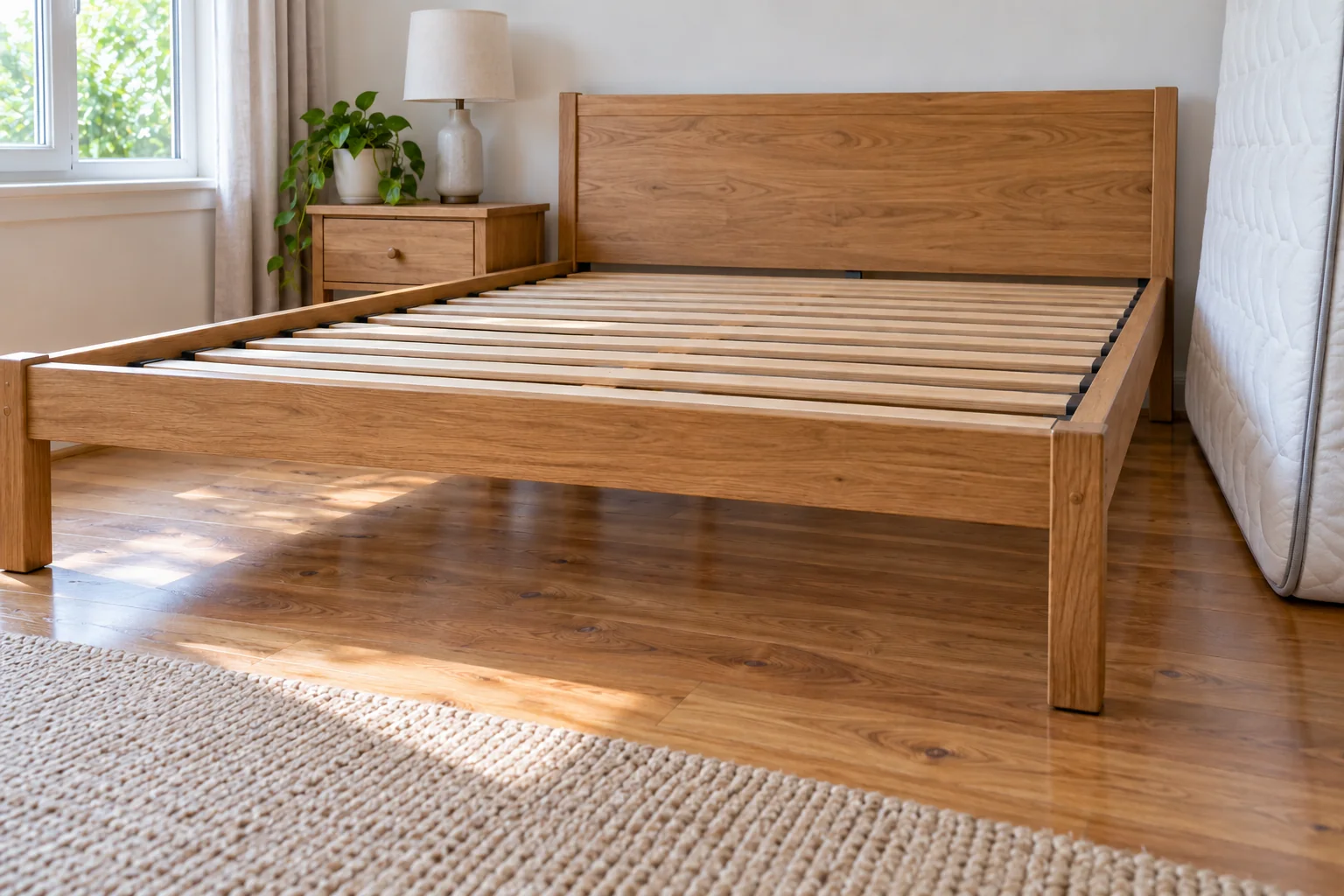
- Bed base: Follow the mattress manufacturer's support and ventilation requirements.
- Room: Correct water intrusion, condensation and persistently damp surfaces before installing a replacement.
- Bedding: Keep clean bedding and permitted protectors fully dry before use.
- Spills: Follow material-specific drying instructions immediately instead of covering a wet area.
- Storage: Store only dry bedding and mattresses in a dry location.
EPA's 24-to-48-hour drying advice is a prevention target after water damage. The timing does not certify a mold-affected mattress as recoverable. The mattress interior may need a different assessment from a dry-looking exterior.
What should happen before a moldy mattress leaves the room?
Moldy mattress removal should limit disturbance and use a disposal route that accepts the affected item. A collection provider should confirm its wrapping and handling requirements before pickup. A mold-affected mattress should not be donated or passed to another household.
Bedroom recovery also includes the frame, floor and any affected wall material. Gettysburg Mold Remediation Help offers a free referral service for mold cleanup assessment in Gettysburg, PA by independent companies. The independent company evaluates the property, prices its work and confirms any contents-removal services.