
How do you remove bathroom mold professionally?
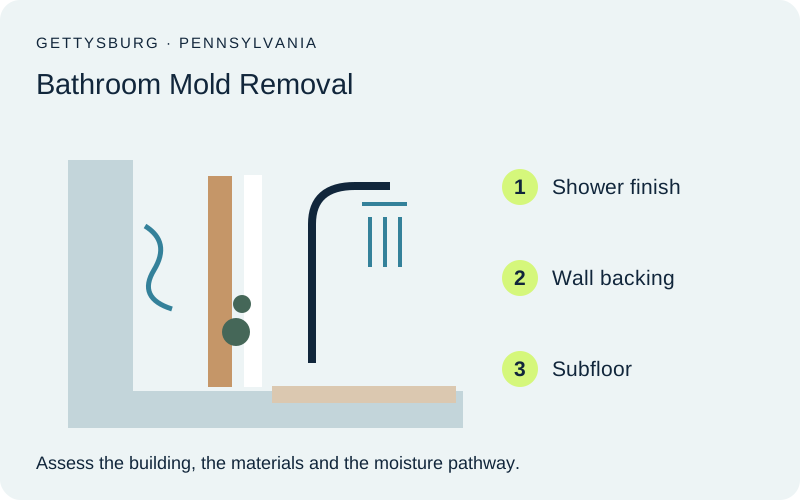
The process follows the moisture source and affected layers, with cleaning for suitable surfaces and removal where material cannot be restored.
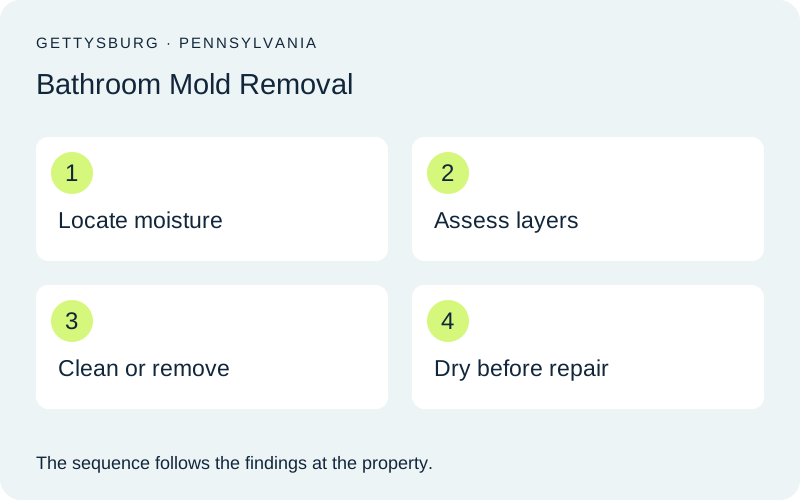
- Identify the moisture pathway. Review shower condensation, plumbing leaks and adjacent rooms.
- Define the affected material. Distinguish tile surfaces from joints, backing, cabinets and subfloor.
- Control disturbance. Plan access and debris removal before opening a wall or removing fixtures.
- Clean, remove and dry. Address the agreed surfaces and review moisture conditions before finishes are restored.
A bathroom renovation may cover tile, waterproofing, plumbing and electrical work beyond mold cleanup. Those repairs must be defined separately; a new finish is not evidence that the underlying problem has been corrected.
Should moldy grout, caulk or drywall be replaced?
Replacement depends on the affected material and its condition; new grout or caulk cannot fix contaminated or wet material behind the finish.
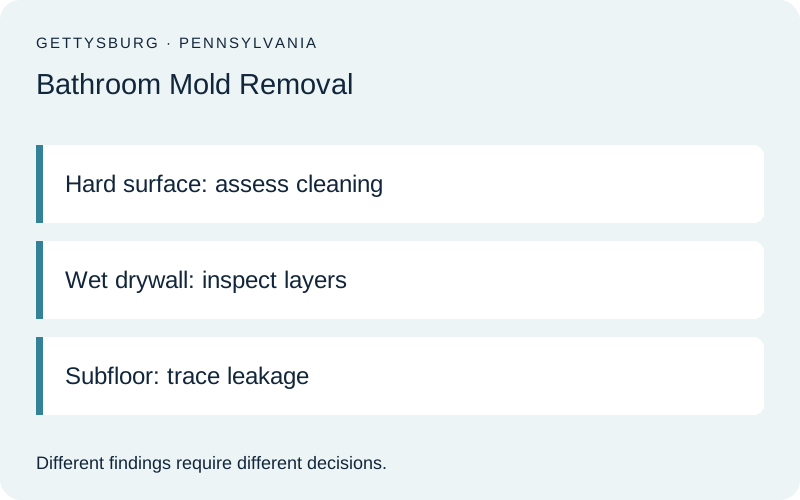
| Material | Possible response | Before closing the surface |
|---|---|---|
| Sound tile or other hard finish | Clean with a suitable method and dry | Check whether moisture is coming from behind it |
| Damaged sealant or joints | Assess removal and renewal after cleanup | Confirm the substrate is suitable and dry |
| Moldy or damaged drywall | Assess selective removal | Inspect the concealed face and adjacent insulation |
| Swollen cabinet or affected subfloor | Material and repair assessment | Find the leak and determine the damaged extent |
The Environmental Protection Agency advises against painting or caulking over mold. Address the growth and dry the surface first. Follow the material manufacturer’s requirements when finishes are replaced.
How can bathroom ventilation reduce mold recurrence?
An effective exhaust system removes moisture outdoors, while leak repairs stop water from entering the building assembly.
A fan that makes noise is not proof of effective airflow. Check that its grille and duct are unobstructed and that the duct terminates outdoors. PNNL’s bathroom exhaust guidance distinguishes exterior discharge from releasing air into an attic, crawl space or floor cavity.
Where an exhaust fault has affected the roof space, attic mold removal may need to be coordinated with the bathroom work. Choosing a fan or duct repair should reflect the actual room and system.
Example, not a customer case: recurring ceiling spots after showers suggest a condensation investigation, while a wet vanity base needs a plumbing check. Increasing fan use may help the first condition but will not stop a leaking drain in the second.
How much does bathroom mold removal cost?
$500 to $2,000 per project is HomeGuide’s published US bathroom mold removal range.
This February 2026 national cost benchmark was checked September 25, 2026. It is not a Gettysburg fixed price. Opening a wall, repairing plumbing or replacing damaged floor layers can change the budget beyond surface cleanup.
Our mold damage repair page explains the rebuilding stage. A limited surface job should not be priced or described as a complete shower reconstruction.
Can you clean a small area of bathroom mold yourself?
A small area on a suitable accessible hard surface may be manageable, but hidden damage, contaminated water or recurring growth changes that decision.
EPA’s cleanup guidance says many mold areas under about 10 square feet can be handled by the homeowner. It also recommends professional help for significant damage or contaminated water. Consider health concerns and avoid exposing other occupants while cleaning.
- Use an approach suitable for the surface and follow product directions.
- Do not mix bleach with ammonia or other cleaning products.
- Do not scrape or cut open a suspect cavity without a plan.
- Do not cover recurring growth with fresh caulk or paint.
What else matters when treating bathroom mold?
Recurring moisture and concealed material damage deserve attention even when the visible patch looks small.
Is black mold in shower caulk toxic?
Color cannot identify the species or tell you the health risk. Address the growth and the moisture rather than diagnosing it from appearance. Our black mold information guide explains those identification limits. Persistent health symptoms should be discussed with a healthcare professional.
Can I use the shower during remediation?
Use depends on the work boundary and the condition of the fixtures and finishes. If a wall is open or a waterproof layer is being repaired, the shower may need to remain out of use. Follow the project access plan and any curing requirements before resuming normal use.
Why does mold return after I replace the caulk?
The new joint may still be exposed to persistent condensation, failed drainage or moisture behind the finish. Investigate the recurring pathway before repeating the repair. A replacement sealant cannot dry a concealed cavity or correct a plumbing leak.
Does removing mold include repairing the leak?
Only when the agreed scope specifically includes that repair. Cleanup and plumbing work solve different parts of the problem. We identify the correction needed and define the work before proceeding, so finishes are not replaced over an unresolved moisture source.
For cleanup that extends beyond this service, our Gettysburg mold remediation services connect the affected areas with a property-specific plan.
How do you arrange bathroom mold removal in Gettysburg?
Call (844) 578-3055 or use the quote form to request an assessment for your property. We confirm the service scope, fees and availability before work is agreed.
Include the affected location and any visible growth, moisture or odor. For an older home in historic Gettysburg, mention access restrictions and original materials that need consideration. Service availability is confirmed for the property address in Gettysburg or Adams County.