
What does a realistic time estimate look like?
It names the scope, gives an expected work period and states the conditions that could change the finish date.
When we plan mold removal for a Gettysburg home, the written sequence identifies access arrangements, material work, drying checks and completion review. Establish which stages can overlap and which must wait for a documented result. A calendar date alone does not explain whether the work area is ready for the next stage.
A schedule for removing a defined area of damaged drywall is different from one involving several rooms, an unresolved leak and subsequent reconstruction. Ask for the expected cleanup completion and the expected room-ready date separately. If no one has assessed the concealed materials yet, the schedule should say it is provisional.
Which stages belong in the timeline?
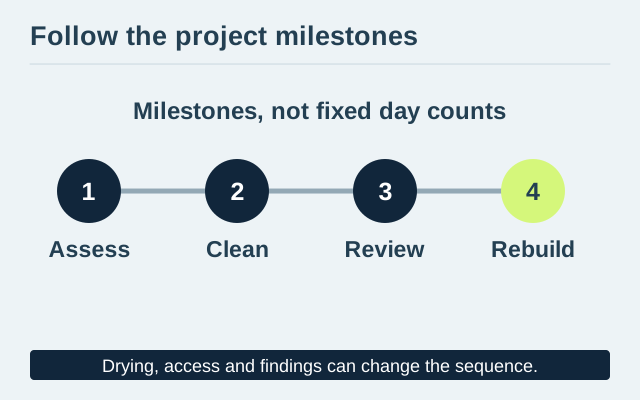
Include assessment, approval, scheduling, site work, review, and any separate repairs.
Ask what must happen before each stage starts. The first available cleanup date may depend on access, a separate assessment, or a repair. Rebuilding may depend on completion records and the availability of a different trade. Identify the person coordinating these handoffs.
Use a simple calendar with a planned date, dependency, and responsible contact for each stage. Keep confirmed appointments separate from estimates so your family can make arrangements without treating provisional dates as guarantees.
Why can drying or concealed damage change the schedule?
Conditions discovered during the job can change the work needed before the next stage.
Ask how drying progress is assessed and recorded, rather than relying only on a preset number of equipment days. If opening a wall reveals a different extent of damage, request the revised scope and schedule together.
EPA advises drying water-damaged areas and items within 24 to 48 hours to help prevent mold growth. That prevention guidance is not a promise that an established remediation project finishes within the same period. See its mold and moisture guide.
When can you use the room again?
Ask the provider to define access arrangements and the conditions for each change in room use.
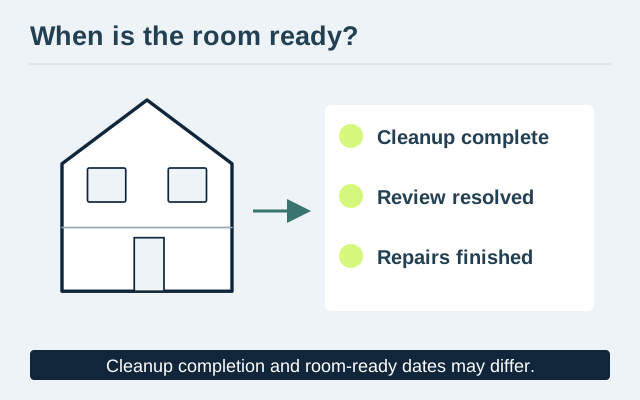
Work-area access, removal of equipment, completion review, and finished-room restoration can occur at different times. Explain whether the area contains a bedroom, essential route, workspace, or belongings you need. Ask who will confirm any changes to the agreed access plan.
If an occupant has health concerns, seek individual medical advice rather than treating a project schedule as a health assessment. Our preparation guide helps organize practical questions for the provider.
Can you stay home while the work is underway?
That depends on the work zone, household access, HVAC arrangements and individual health needs, not simply the number of project days.
Agree with the provider which rooms and routes remain usable, where workers remove materials and how the work affects essential facilities. Tell the provider about children, pets and accessibility needs before scheduling. For personal health concerns, get advice from a qualified health professional.
“The machines are off” and “the home is ready for normal use” are different statements. Ask who will communicate the agreed release conditions and any remaining restrictions. There is no universal 24- or 48-hour wait that proves every property is ready.
What has to happen before the next phase starts?
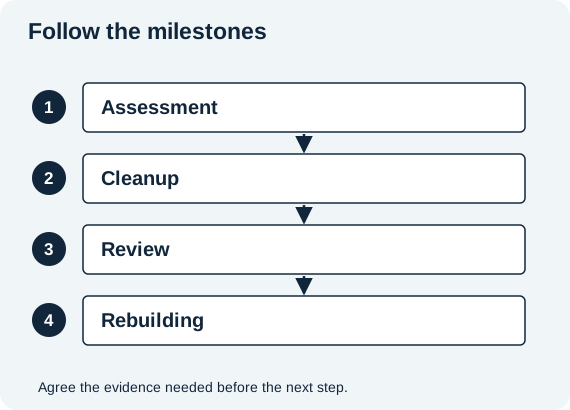
Use these milestones to check a schedule. They are dependencies, not a promise that each phase takes one day.
| Phase | Evidence needed to move on | What can extend it |
|---|---|---|
| Assessment and scope | Affected areas, methods and access agreed | Concealed damage or another specialist |
| Containment and material work | Agreed cleaning or removal completed | Newly exposed damage or access limits |
| Drying and completion review | Project criteria met and findings recorded | Continuing moisture or failed review |
| Rebuilding and normal use | Release for repair and household arrangements agreed | Trade availability, materials and finish work |
A practical decision example
What if cleanup is finished but the room is not?
In a hypothetical project, cleanup ends before replacement drywall is scheduled. The room is not yet restored to the agreed finished condition. Ask each company to identify its remaining tasks and handover date. Keep cleanup completion and restoration completion as separate milestones instead of assuming the first invoice marks the end of the whole project.
Frequently asked questions
Can a company promise a fixed number of days?
A company can propose a schedule for its defined scope. Ask which conditions that schedule assumes and how discoveries, drying needs, or separate trades affect it. A generic online duration cannot establish the time for your Gettysburg property.
Can we stay in the home during remediation?
Discuss the work area, access routes, equipment, controls, and household needs with the provider before scheduling. There is no universal answer from the project name alone. Individual health questions need advice from a qualified medical professional.
Does the EPA’s 24-48 hour advice describe cleanup duration?
No. That advice concerns promptly drying wet materials to help prevent growth after a water event. It is not a deadline for completing an established mold-remediation project. The work period depends on what is affected, how it is treated, whether moisture is resolved and what completion criteria were agreed.
Can rebuilding start as soon as removal ends?
Not automatically. The repair contractor needs the agreed handover, including remaining moisture questions and any completion review. Closing a wall before that information is available can conceal unresolved conditions. Separate cleanup completion, release for repair and final finishes in the schedule so each date has a clear meaning.
Which sources support this guide?
Government and professional resources support the general guidance below. Examples explain general situations and are not reports of customer projects.