Mold remediation
Assessment, containment, removal and cleaning for the affected materials.
See the process
Mold remediation services · Gettysburg, PA
Gettysburg Mold Remediation Help connects homeowners in Gettysburg and Adams County, PA with local, independent mold remediation companies. Gettysburg Mold Remediation Help is free for homeowners. Mold remediation in Gettysburg, PA starts with an assessment, a written scope and a quote from the independent company. A U.S. mold remediation project costs $1,223 to $3,757 (Angi, July 2026).
Property-specific scope · Clear exclusions · Agreed next steps
Mold is a moisture problem first. In old Gettysburg homes it grows where pipes leak and stone walls stay damp. The EPA says a homeowner can usually clean a patch under 10 square feet. Anything larger deserves a professional remediation plan. Mold remediation in Gettysburg starts with an assessment that finds the water source, maps the damage and sets a written scope. Mold remediation averages about $2,400 nationwide, and the project size, access and materials set your price. Killing mold is not enough, since the EPA warns that dead mold can still cause allergic reactions, so it must be removed. Moisture starts the problem and dry readings finish it, so get a Gettysburg quote that puts removal, drying and every repair in writing.
Services
A mold remediation quote can cover four services: remediation of the affected area, mold damage repairs, contents cleaning and a completion review. Each service has its own scope and price, so the quote shows which work is included.
Assessment, containment, removal and cleaning for the affected materials.
See the processReplacement materials and finishes after the cleanup and moisture handover.
Explore this serviceItem-specific decisions for affected belongings, with handling and disposal approval.
Explore this serviceDefined completion records and a clear scope for any independent verification.
Explore this serviceThe affected part of your property
Mold needs attention wherever moisture keeps building materials damp, and each part of a home calls for different removal decisions. The eight summaries below cover attic, basement, crawl space, bathroom, black mold, HVAC, inspection and commercial work, each with a link to the full explanation.
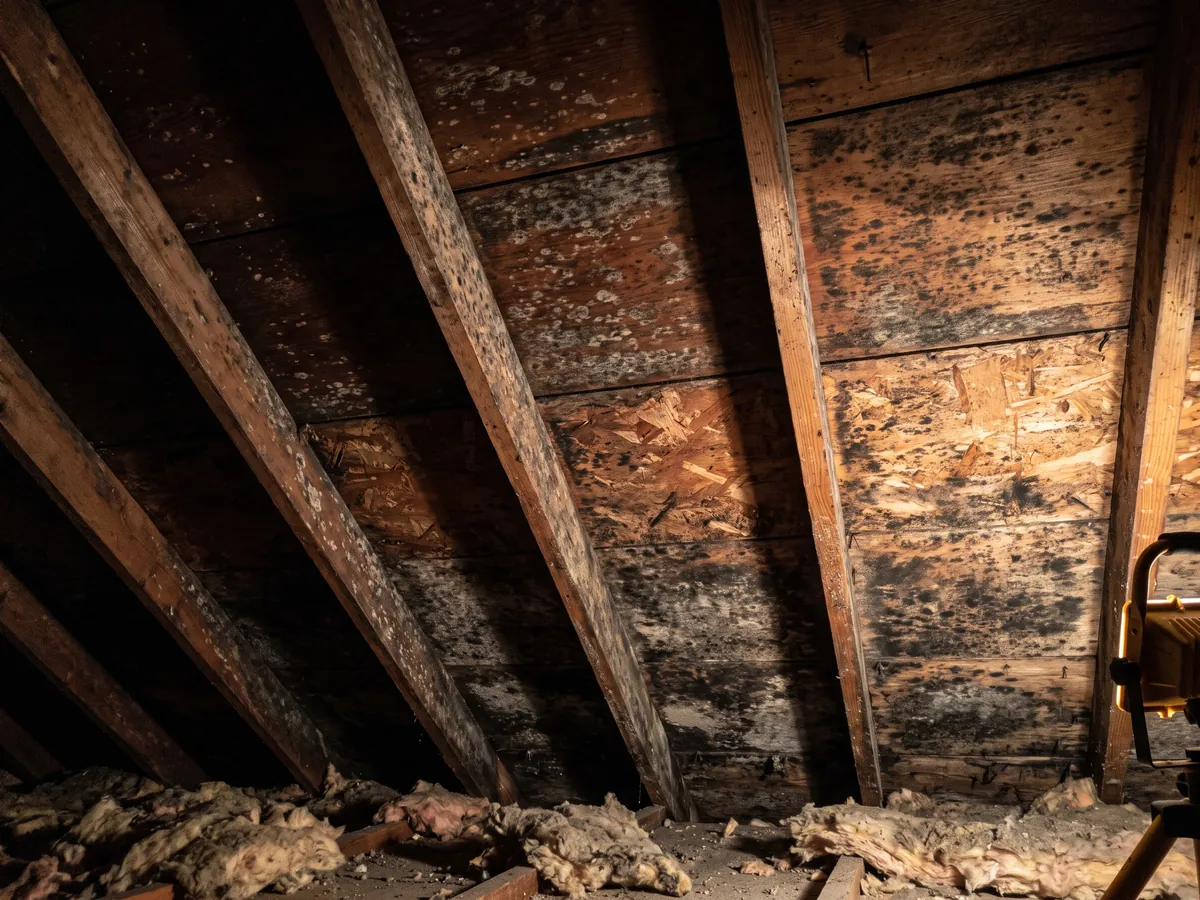
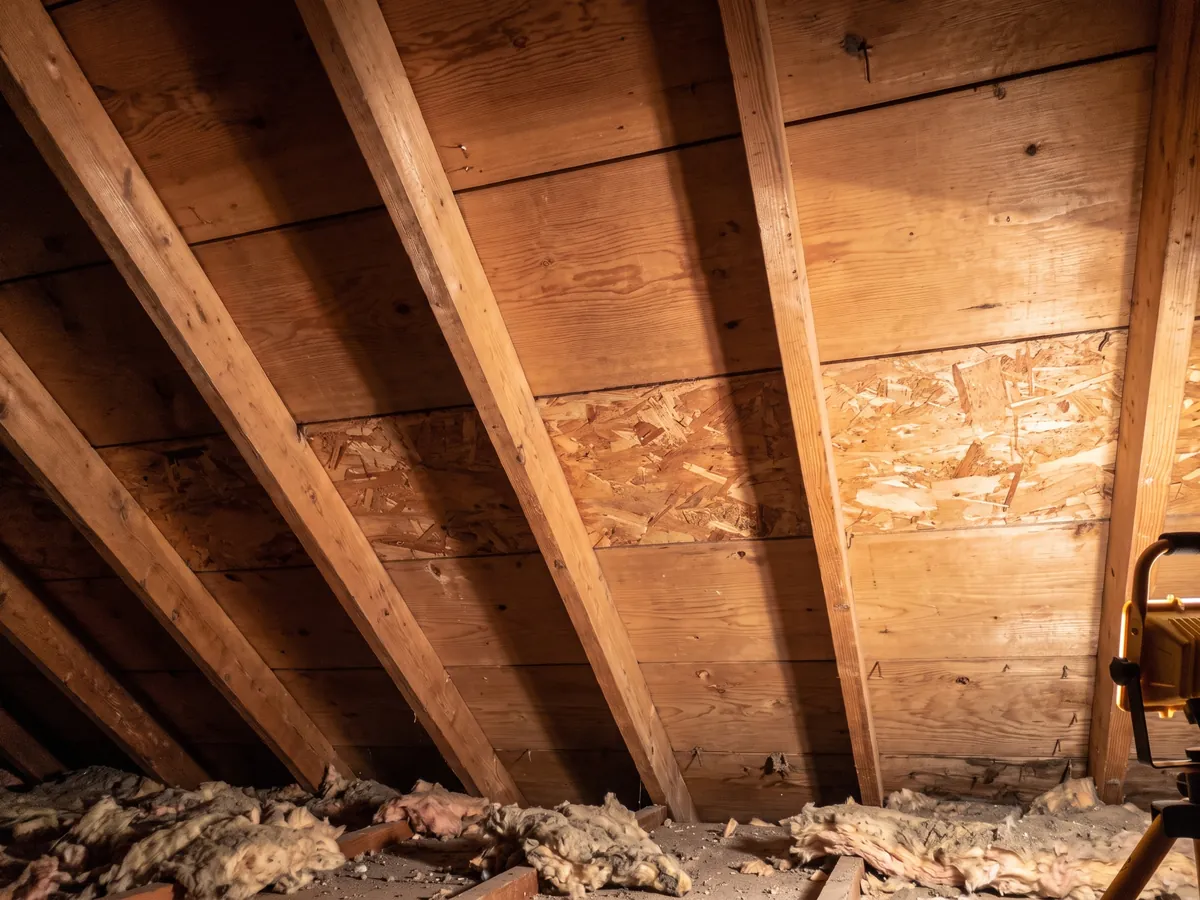
Attic mold removal starts with the moisture source: roof leaks, warm moist air from the rooms below and bathroom fans that vent into the attic can all wet the wood. Mold on sound roof sheathing does not automatically mean a new roof, but damaged decking or an active leak may need roofing work as well.
Attic mold removal in Gettysburg ↗Basement mold removal covers assessment, protection of adjacent rooms, removal of materials that cannot be saved, cleaning and a review of moisture conditions. Mold can return while materials stay damp, so ongoing water entry needs drainage or waterproofing repairs that cleanup alone does not provide.
Basement mold remediation in Gettysburg ↗Crawl space mold removal combines access planning, containment, removal of unsalvageable materials, detailed cleaning and drying checks. Sound joists and subfloor may be cleanable, moldy insulation may need removal, and weakened framing needs a separate structural assessment.
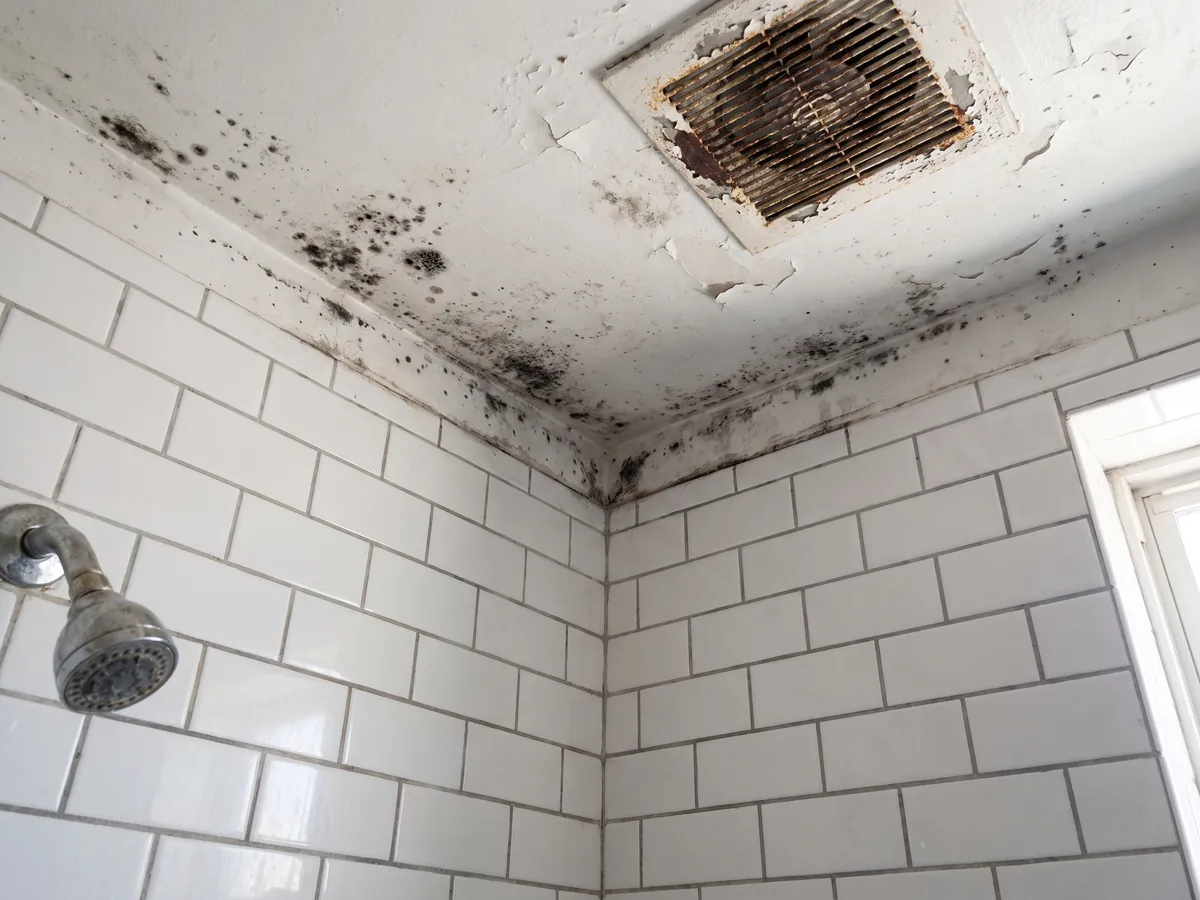
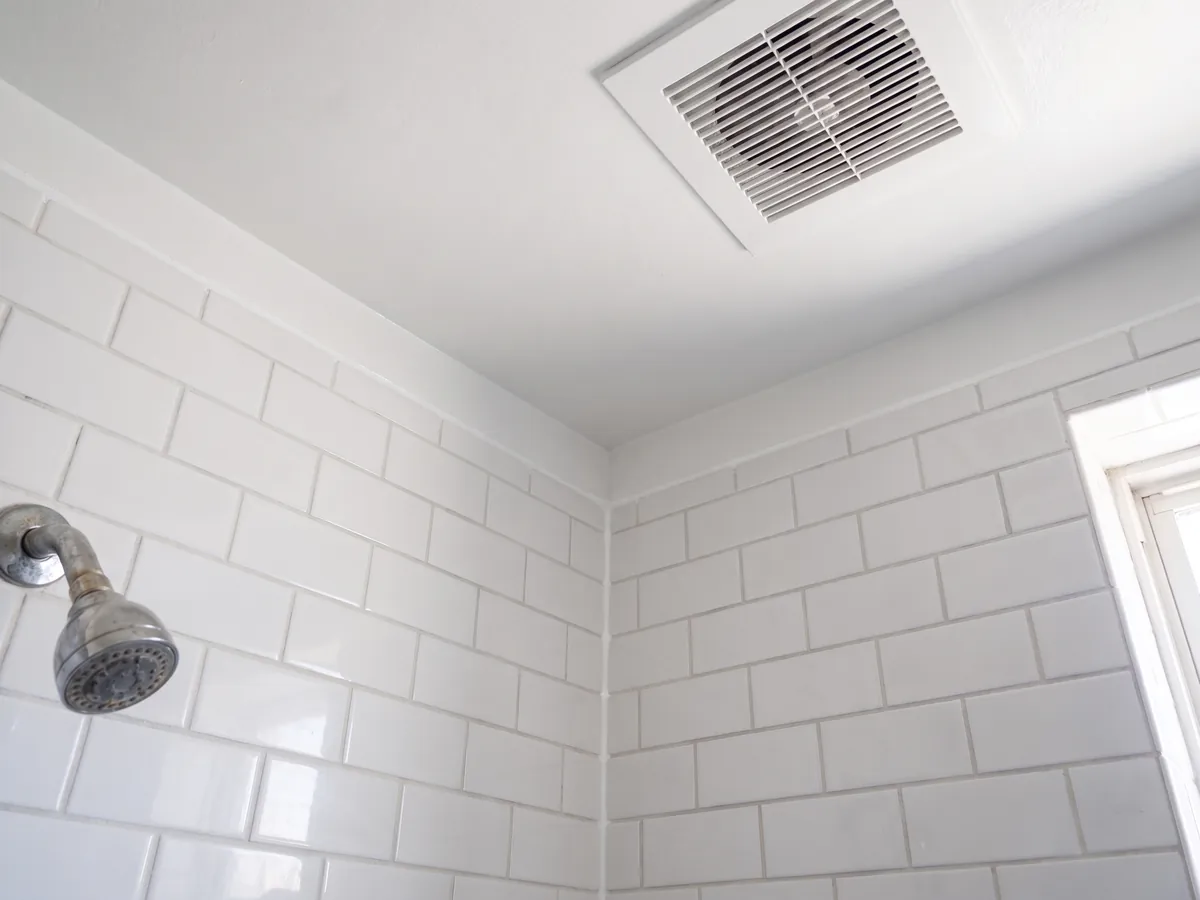
Crawl space mold remediation in Gettysburg ↗Bathroom mold removal follows the moisture source and the affected layers: sound tile can be cleaned, while wet or contaminated material behind the finish needs removal. New grout or caulk cannot fix that hidden damage, and an exhaust fan only carries moisture out of the house when its duct ends outdoors.
Bathroom mold removal in Gettysburg ↗Black mold removal is one part of remediation: the growth is removed, affected materials are cleaned and the moisture that lets mold grow is corrected. HomeGuide’s 2026 national cost guide puts black mold removal at $2,000 to $10,000 per project, a planning benchmark rather than a Gettysburg price.
Black mold remediation in Gettysburg ↗HVAC and air duct mold calls for an assessment of the system itself, and the EPA advises against running a system known or suspected to be contaminated. Accessible hard surfaces may be cleanable, but wet or moldy porous duct insulation generally needs replacement.
Mold in air ducts and HVAC ↗A mold inspection examines accessible areas for suspected growth, water damage and the moisture that supports mold, while testing only analyzes a collected sample. Angi’s July 2026 national benchmark is $303 to $1,075 per inspection, with an average of $689.
Mold inspection in Gettysburg ↗Commercial mold removal adds an occupant plan to the usual remediation steps, covering business hours, access to the affected rooms and communication with the people in the building. The EPA’s guide for schools and commercial buildings recommends limited containment for 10 to 100 square feet of mold and full containment above 100 square feet.
EPA guide for commercial buildings ↗Technical references: EPA mold and moisture guidance and EPA advice on air duct cleaning.
Dark growth needs a material and moisture assessment. The black mold remediation page explains removal, costs and when to use professional help.
After a leak or water intrusion, water damage restoration addresses extraction, drying and the repair scope alongside any mold-related work.
For unexplained odors, recurring growth or suspected hidden dampness, a mold inspection investigates accessible areas and moisture before the next step is defined.
Removal or remediation
A house needs mold remediation when mold covers more than about 10 square feet, sits behind finishes or keeps coming back. Mold remediation removes the growth and also fixes the moisture source, controls the work area and checks the result.
Mold removal alone fits a small surface patch under about 10 square feet, roughly 3 feet by 3 feet, which the EPA says a homeowner can usually clean.
| Question | Mold removal | Mold remediation |
|---|---|---|
| What it covers | Taking out or cleaning the visible growth | The moisture source, containment, removal, cleaning, drying and a completion check |
| When it fits | A small surface patch under about 10 square feet | Growth over about 10 square feet, hidden growth, soaked porous materials or recurring mold |
| Who does it | A homeowner can clean a small patch, following EPA guidance | An independent mold remediation company |
| Cost reference | Cleaning supplies and protective gear | $1,223 to $3,757 per U.S. project (Angi, July 2026) |
How the work runs
The mold remediation process includes four steps: assessment, a written scope, the agreed cleanup and a completion review. The independent company explains the observed conditions, treatment and assessment limits before you commit.
The independent company reviews the affected rooms, materials, water history and access. Concealed conditions or further assessment needs are identified rather than treated as confirmed findings.
Your quote identifies cleanup methods, work-area controls, disposal and completion requirements. Separate testing, moisture repairs or rebuilding remain visible.
The independent company works to the approved scope, discusses changes and reviews the agreed completion criteria. You know which records and remaining actions belong in the handover.
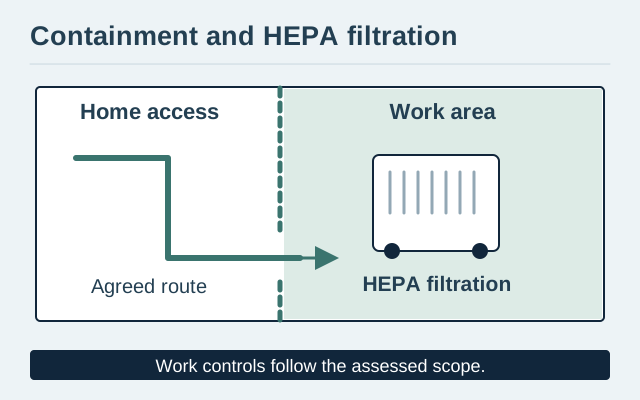
The written scope defines four stages before work begins: assessment, work-area controls, cleanup and handover. For each stage it also names what stays outside the agreed work, so the price describes the work you approve.
| Stage | What the scope defines | What stays visible |
|---|---|---|
| Assessment | The work area and accessible findings | Uninspected or concealed materials |
| Controls | Containment, access routes and material handling | Household access arrangements |
| Cleanup | The removal or cleaning method for each material | Materials and areas excluded from the work |
| Handover | Completion checks and records | Separate testing, repairs or moisture work |
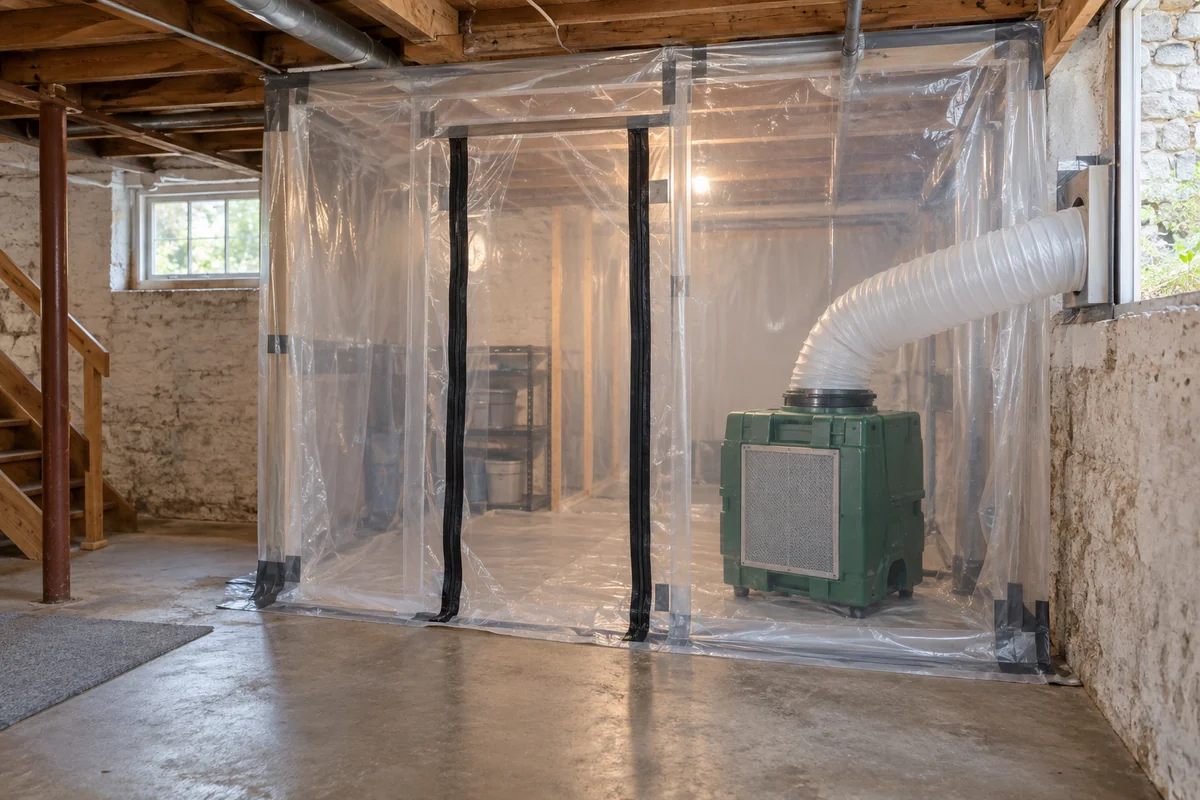
Containment under negative air pressure, HEPA vacuuming and air filtration support the work, but equipment alone does not prove that the job is complete. Porous materials such as ceiling tiles and carpet may have to be thrown away when they become moldy, according to the EPA. Mold can be scrubbed off hard surfaces. The material and the extent of growth decide between cleaning and removal, as the EPA mold and moisture guide explains for every home. In a finished basement, one wall can involve drywall, insulation and accessible framing, so removal, retained materials, cleaning and replacement finishes are defined separately.
Before and after
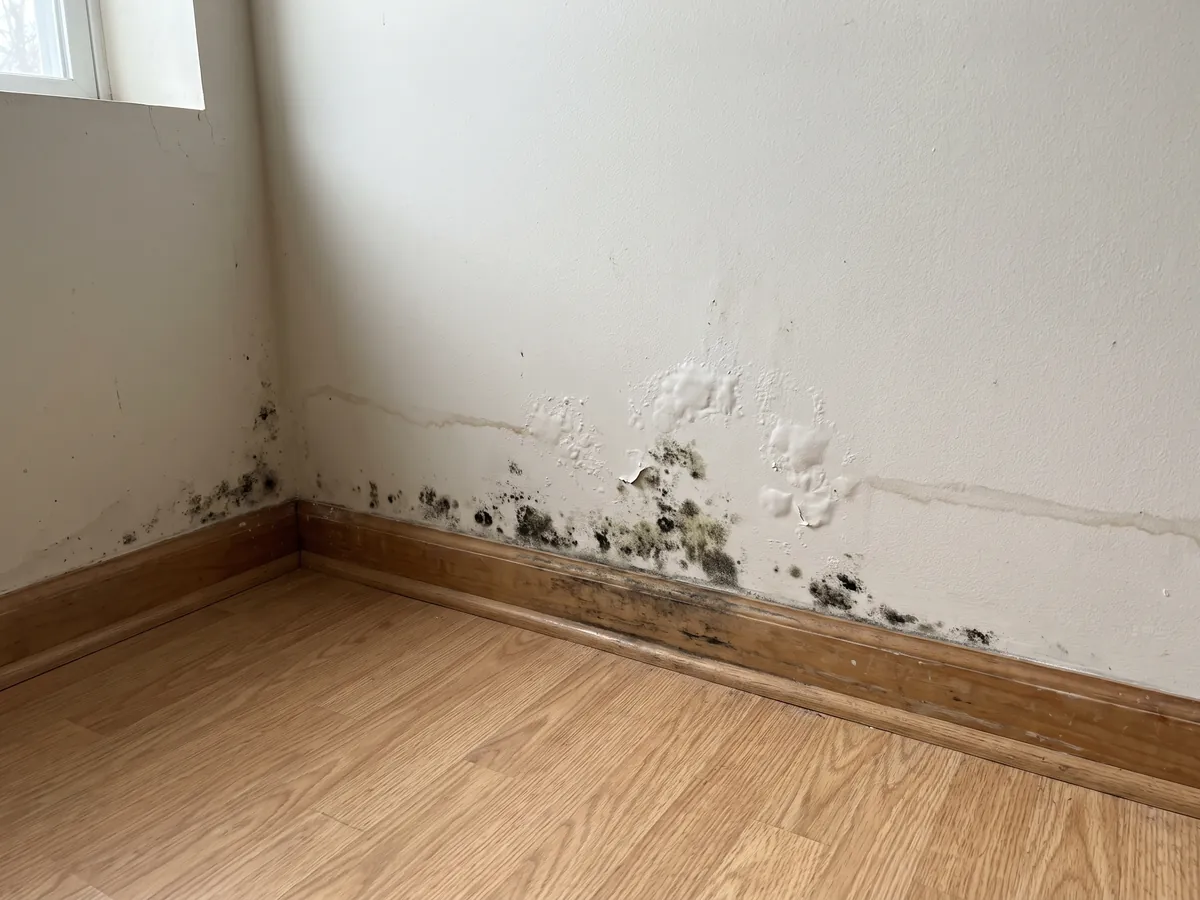
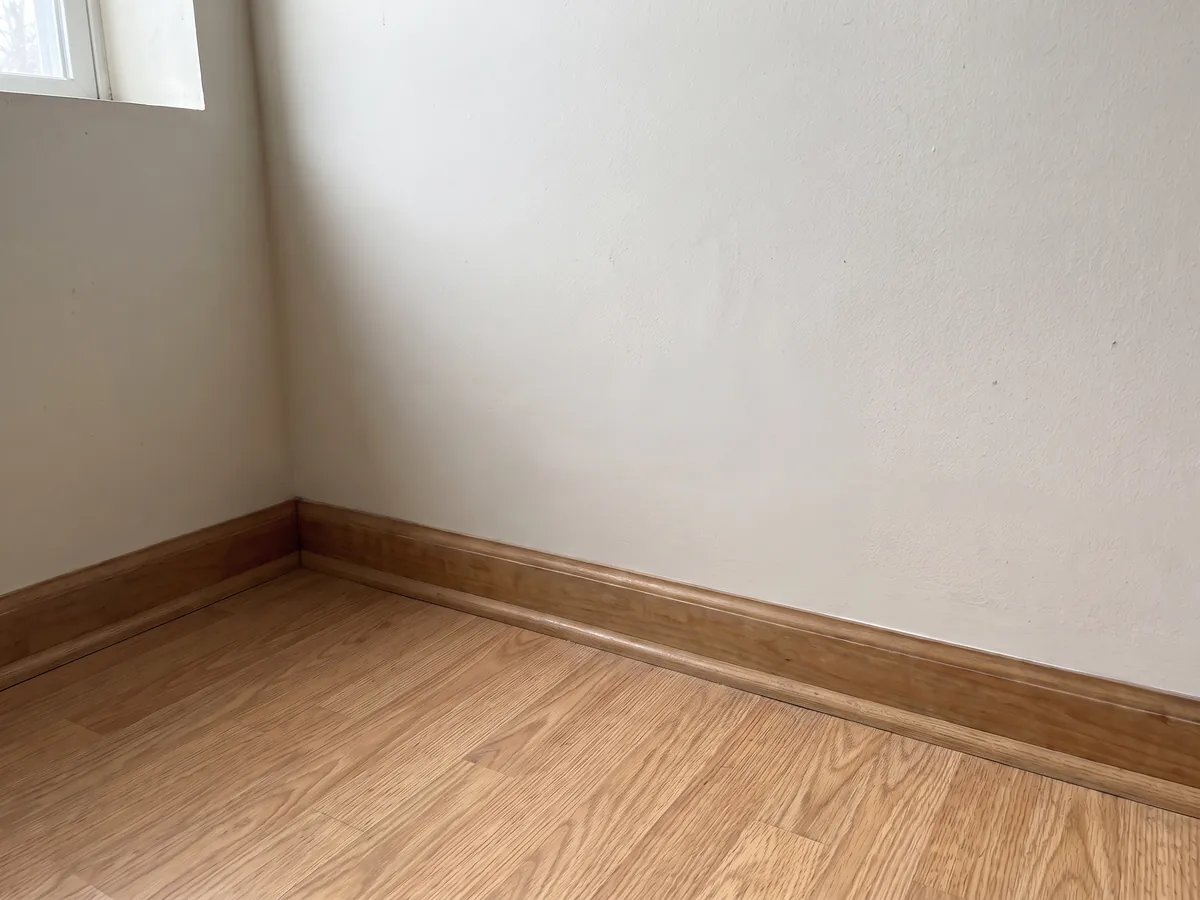
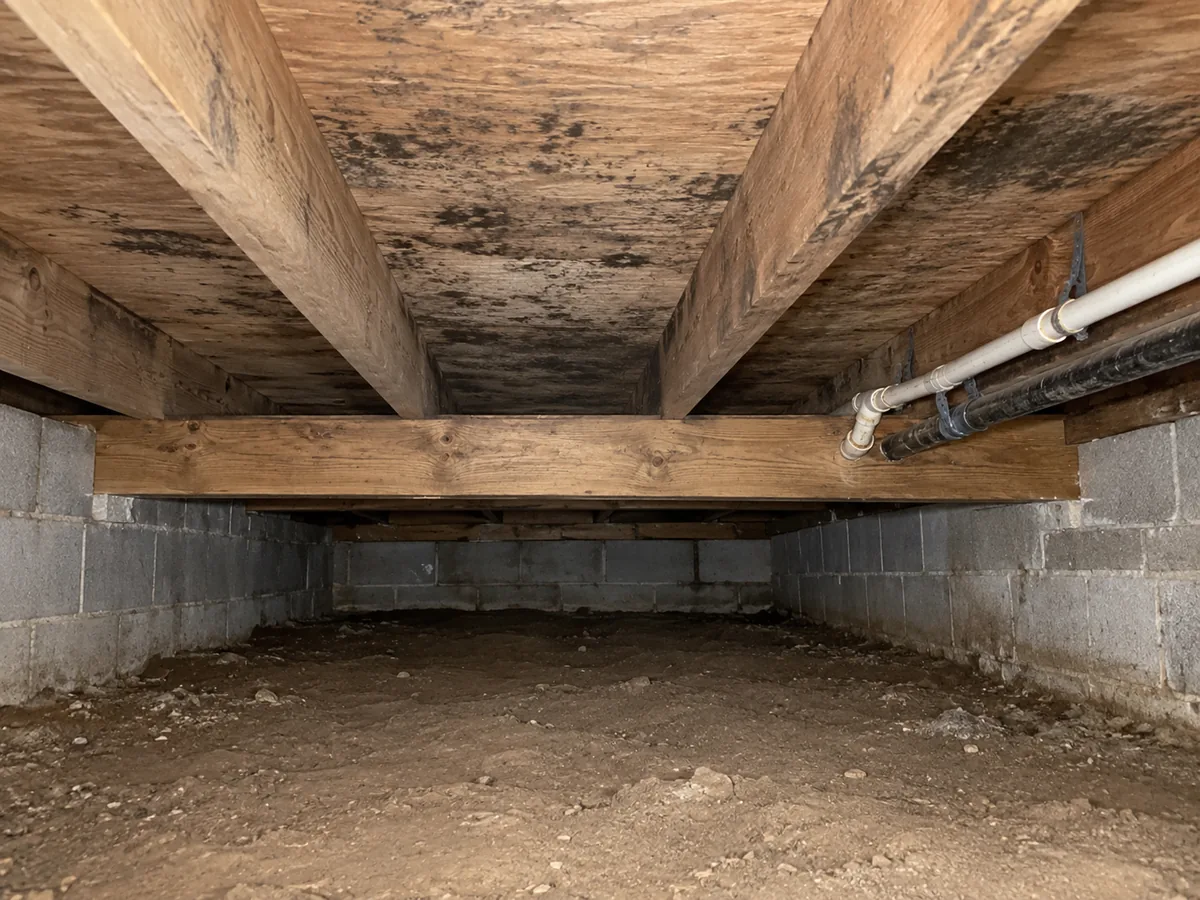
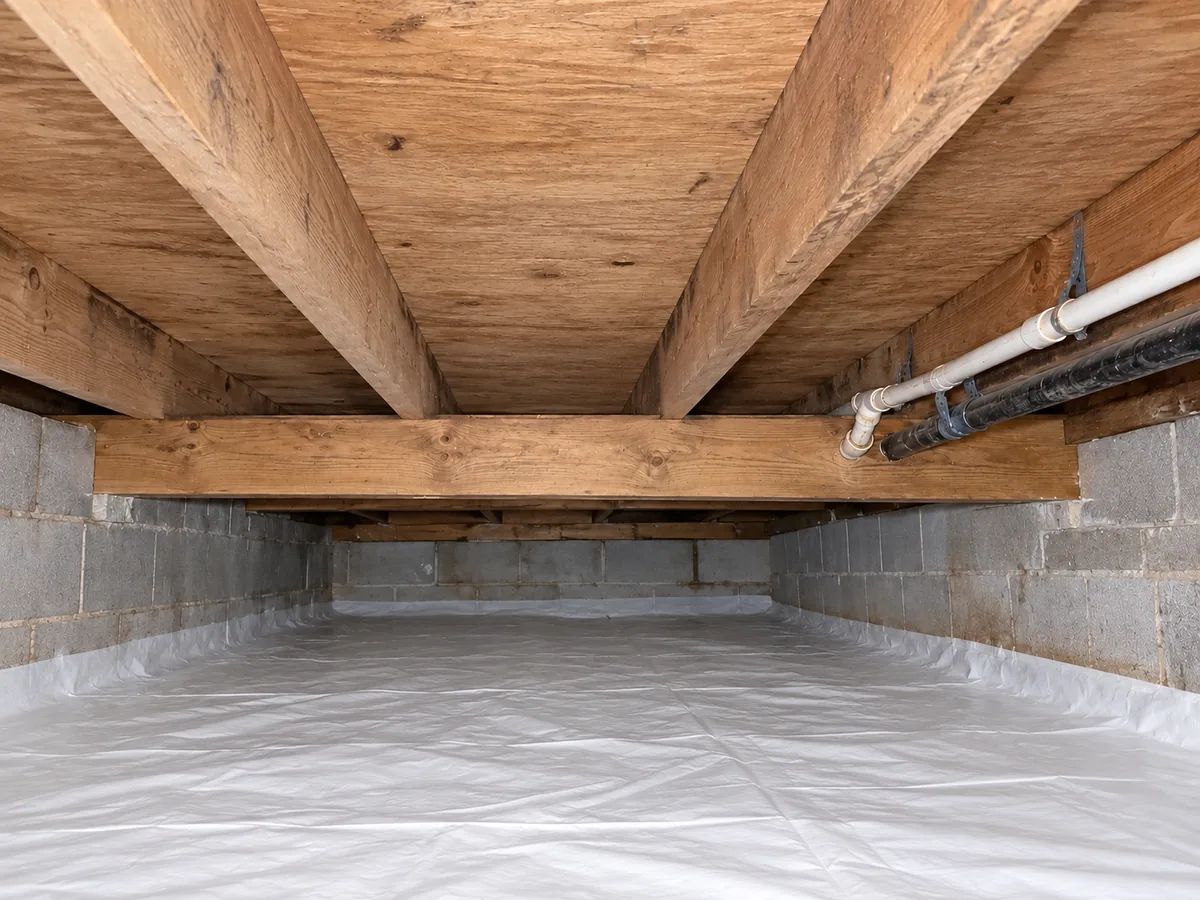
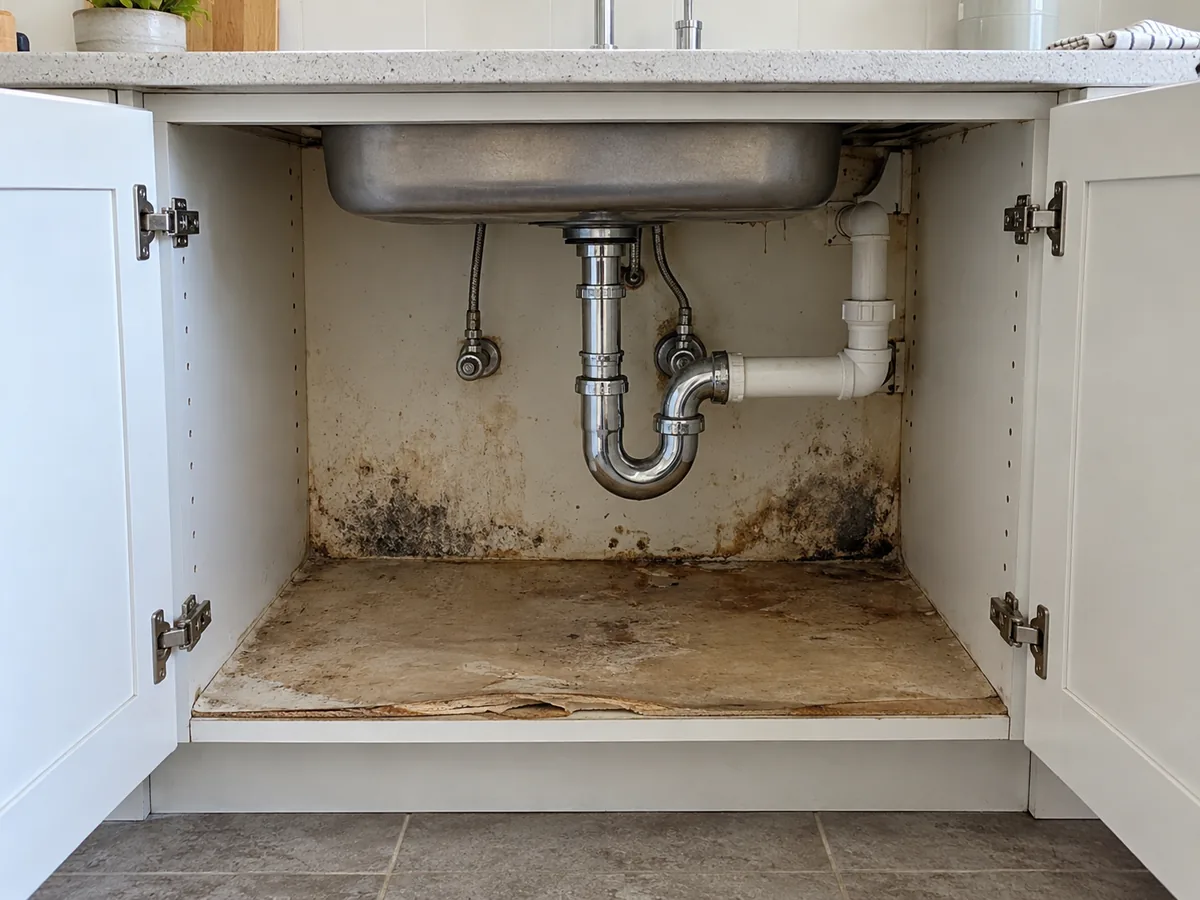
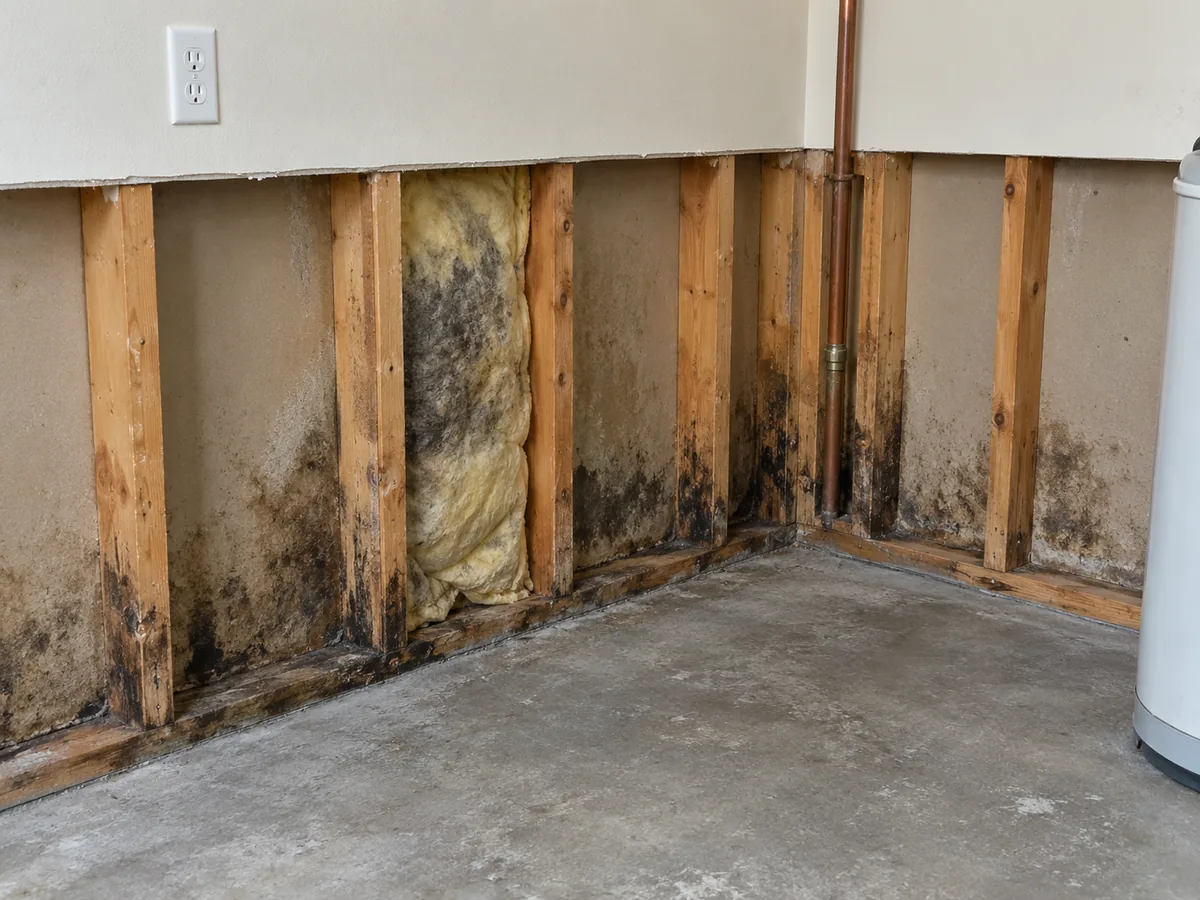
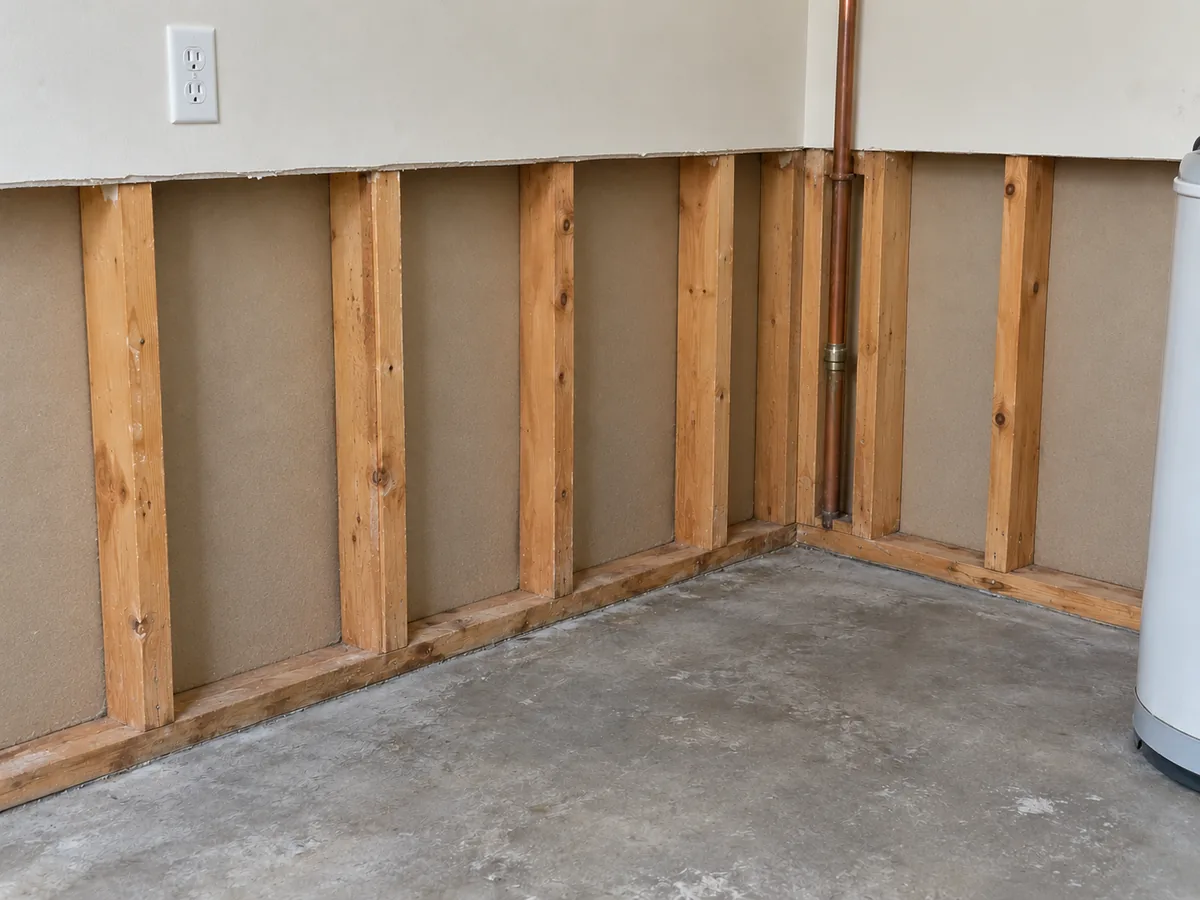
Mold remediation before and after shows three changes: the growth and the materials it damaged are removed, the surfaces that stay are cleaned and dried, and the area is ready for repairs. Fixing the moisture source keeps the mold from coming back. Drag a slider to compare; the images are illustrations of typical conditions, not photos of customer projects.
A quote for your property
Mold remediation in the United States costs $1,223 to $3,757 per project, with an average of $2,368, according to Angi’s July 2026 cost guide. That range is a national benchmark, not a Gettysburg price. The affected area, hidden materials, access and repairs set the price in a Gettysburg quote.
| Price reference | Amount (USD) |
|---|---|
| Typical U.S. project range | $1,223 to $3,757 |
| Reported U.S. average | $2,368 |
| Rate per affected square foot | $10 to $25 |
Source: Angi, July 2026, checked October 5, 2026.
The independent company prices the proposed work around the affected materials, access and property conditions. Its estimate explains what the work includes, what is excluded and whether any item needs a separate assessment.
Cleanup, moisture-source repairs, contents handling and replacement finishes can be different parts of the job. A clear estimate lists them separately, so the price describes the work you are approving.
What affects your remediation cost? ↗Before, during and after
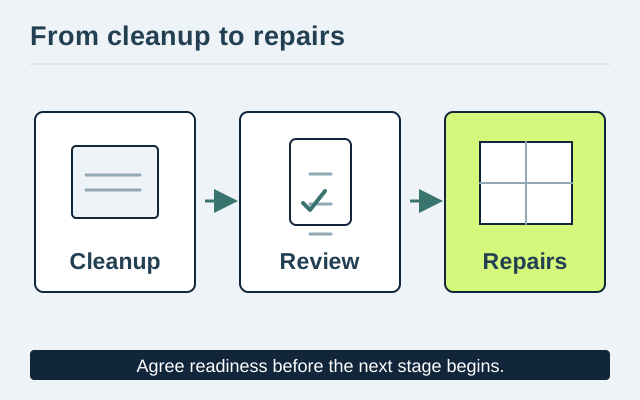
Mold remediation takes 1 to 3 days for small and medium projects and up to 7 days for large ones, according to HomeGuide’s national data. Three stages decide the total: the cleanup itself, drying with a completion review, and any separate repairs. Each stage starts only when the previous one is finished, so a room can be clean before it is ready to use.
The remediation timeline guide explains those dependencies. Tell us about essential rooms, pets and household access needs before scheduling.
Completion and repairs
After mold remediation is finished, a completion review records the agreed cleanup scope and any outstanding actions, such as repairs or independent verification. If independent post-remediation verification or sampling is required, its purpose, reviewer and separate terms are agreed in advance.
A contractor’s review of its own work is not independent clearance. The completion review page explains that distinction.
Pennsylvania rules
A mold remediation license is not required in Pennsylvania. The state has no mold regulations, according to the Pennsylvania Department of Health, and no license for most construction contractors, as the Department of Labor & Industry explains on its contractor licensing page.
Home improvement registration does apply. Under the Home Improvement Consumer Protection Act, contractors who earn $5,000 or more a year from home improvement work in Pennsylvania must register with the Office of Attorney General, carry minimum insurance coverage and put the work in a contract.
Four checks apply before mold work starts.
| Requirement | Applies in Pennsylvania? | How to check |
|---|---|---|
| Mold remediation license | No. Pennsylvania has no mold license or mold regulations. | Ask what any named certification covers and who issued it. |
| Home improvement contractor registration | Yes, for contractors earning $5,000 or more a year from home improvements. | Ask for the HIC registration number and confirm it with the Attorney General’s Bureau of Consumer Protection. |
| Insurance | Yes, registered contractors must carry minimum coverage. | Ask for a certificate of insurance. |
| Local contractor licensing | Set by each municipality. Some of Pennsylvania’s 2,562 municipalities have their own rules. | Ask the borough or township office. |
The guide to choosing a mold remediation company in Gettysburg shows how to check HIC registration, insurance, IICRC certification claims and reviews.
Repairs after cleanup can also need local approvals, which the next section lists.
Gettysburg and Adams County
Three local approvals can affect mold repairs in Gettysburg: historic review by the Historic Architectural Review Board (HARB), a Borough building permit and floodplain checks for properties with a flood history. Removal and cleaning are separated from replacement work, and repair requirements are identified before that scope is agreed.
| Property context | What changes the decision | Official source |
|---|---|---|
| Historic Gettysburg home | Identify original finishes and exterior changes. Gettysburg’s Historic Architectural Review Board (HARB) may need to review the proposed restoration. | Gettysburg HARB |
| Building materials to replace | Describe the replacement work to the Borough permit office for properties within its jurisdiction. Confirm approvals before starting applicable repairs. | Gettysburg permit guidance |
| Basement water after flooding | Record where water entered and what became wet. Use local floodplain resources for rebuilding context, alongside a property assessment. | Adams County floodplain resources |
If basement drywall is affected after water entry, the quote should list removal and cleaning separately from replacement drywall and finishes after the basement dries. Basement waterproofing or other moisture-source repairs are included only when expressly agreed.
Local sources reviewed September 22, 2026.
Service area
Homeowners in Gettysburg Borough and the eight surrounding Adams County townships listed below can request mold remediation. Availability is confirmed for each address before an assessment is arranged.
For an older home in historic Gettysburg, mention original finishes and any preservation requirements before material removal is planned.
Start with your property
Tell us about the affected area and the service you need. An independent company then establishes the assessment requirements and prepares a property-specific scope.
Serving Gettysburg, PA. Service availability and the scope of work are confirmed for your property.
Find the service for your property
Choose the affected space for a focused explanation of materials, moisture pathways and removal decisions.
Mold remediation covers the whole job: finding the moisture source, controlling the work area, removing or cleaning affected materials and confirming completion. Mold removal usually refers only to taking out the growth, which is one step within remediation.
Moisture repair is part of the quote only when it is listed. The quote should name the moisture problem and say which correction work is included and which needs a separate trade or assessment.
Mold testing is not required to request a quote. Describe what you have observed; testing should answer a specific question, and any sampling or assessment fee should be explained before you authorize it.
Gettysburg Mold Remediation Help connects you with an independent local company that provides a property-specific quote for mold remediation in Gettysburg, PA. Tell us the affected rooms, materials and known water history. The independent company confirms assessment requirements and explains which cleanup, contents handling and repairs are included before work is agreed. The page on how Gettysburg Mold Remediation Help works explains who assesses, prices and performs the mold work.
Contractor cleanup is the Pennsylvania Department of Health’s advice when mold covers more than 10 square feet, or when someone in the home has asthma, COPD or other health issues, or is pregnant. Without health problems, a smaller area can be cleaned with rubber gloves, a mask and goggles. The EPA describes 10 square feet as a patch of roughly 3 feet by 3 feet. For a small hard-surface patch, the Pennsylvania Department of Health fact sheet allows 1 cup of bleach per gallon of water and warns never to mix bleach with ammonia.
Historic-district rules affect visible exterior alterations within Gettysburg’s HARB district. The cleanup scope and any proposed exterior restoration need to be distinguished. The Borough’s HARB guidance explains the approval trigger; it is not a blanket rule for all interior mold removal.
Start with the county’s floodplain and municipal guidance. Floodplain development is regulated locally, and mapping does not establish why a particular basement became wet. The independent company discusses the observed water history and defines cleanup separately from any proposed rebuilding or moisture-source repairs.
Mold certification is voluntary in Pennsylvania, because the state has no mold regulations or mold license. If a contractor names a certification, check the issuer, the certified person and what the credential covers.
Your policy, the cause of the damage and the insurer’s decision determine coverage. The estimate describes the proposed work. Use the insurance guide to organize the documents and questions for your insurer.
Prepare for your project
The mold guides explain project costs, scheduling and preparation so you can understand the work proposed for your property.