
When might homeowners insurance cover mold-related damage?
Coverage can depend on whether the mold resulted from a covered event, and on the exclusions and limits in the actual policy.
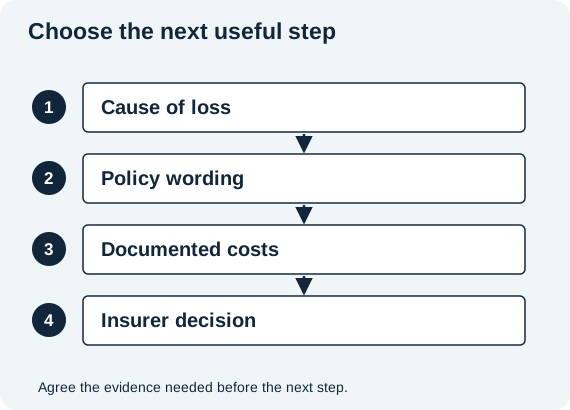
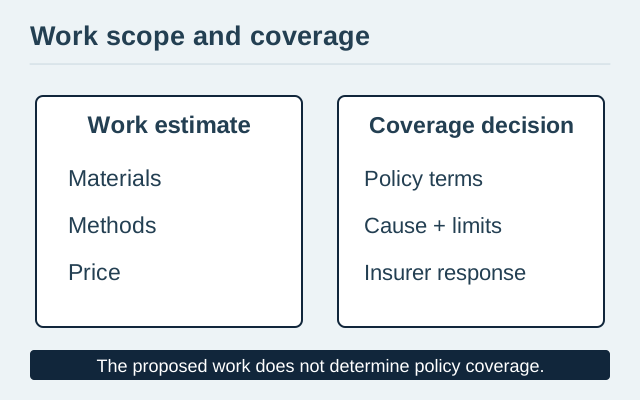
Ask your insurer to identify which policy provisions apply to the reported event. Request a written explanation of any relevant endorsements, exclusions, limits and documentation requirements. The contractor’s proposed repair scope does not determine the coverage decision.
For example, damage following a reported appliance leak needs a different claim discussion from long-standing condensation. Treat these as examples of questions to investigate, not automatic covered and uncovered categories. Keep the cause investigation separate from your Gettysburg mold cleanup estimate, which describes proposed work rather than coverage.
What should you ask the insurer first?
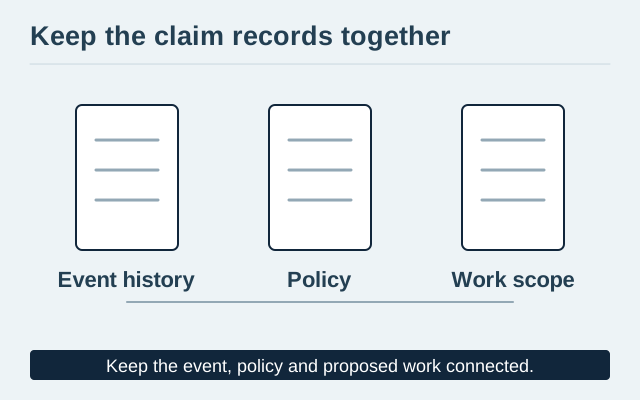
Describe the event and ask which policy provisions and claim steps apply.
Give dates, the known water source, when the condition was discovered, and any earlier repair records. Distinguish observations from assumptions. Ask about claim reporting, inspection arrangements, required documents, and how to handle urgent property-protection work and disposal records.
The Pennsylvania Insurance Department homeowners resource explains common coverage categories and consumer help. It does not determine the outcome of your particular mold claim.
Is water damage the same as flood coverage?
No. Ask how the policy defines the event; a water-damage description alone does not establish coverage.
The Pennsylvania Insurance Department explains that standard homeowners and renters policies do not cover flood damage. Separate flood insurance is a different product. See its flood insurance guidance and ask the insurer which definition applies to your circumstances.
Do not infer the claim result simply from the presence of a leaking pipe, rainwater, or mold. The policy wording, event history, and claim findings matter. Request the explanation in writing so you can compare it with the actual policy.
Which expenses need separate coverage questions?
Ask about cleanup, testing or review, belongings, repairs, and any temporary living costs individually.
A contractor’s combined estimate may include items treated differently under the policy. Request an itemized scope and ask how any deductible, sublimit, exclusion, or allowance affects it. A contractor’s belief about coverage does not replace the insurer’s written decision.
Use our cost comparison guide to separate included work and unknown amounts. Keep correspondence, photographs, inventories, estimates, approved changes, and invoices together.
Which policy terms should you clarify before approving work?
Ask about the deductible, any mold-related sublimit or endorsement, and which costs the insurer has actually authorized.
A deductible is the amount you may be responsible for under the applicable coverage. A sublimit may cap a particular category of loss even when a larger policy limit exists. An endorsement can change the policy’s terms. Their meaning for your claim depends on the documents and circumstances.
Ask the insurer to identify the relevant wording and explain whether assessment, cleanup, additional living costs and reconstruction are being considered separately. Do not interpret a contractor’s willingness to bill insurance as confirmation of coverage. The Pennsylvania Insurance Department provides homeowner information and a consumer-help route.
What belongs in your claim records?
Organize facts so the provider and insurer can explain their decisions.
| Record | Include | Avoid assuming |
|---|---|---|
| Event history | Dates, observations, and repairs | That the cause is already established |
| Property condition | Accessible photos and assessment findings | That every hidden area was inspected |
| Work proposal | Separate tasks and costs | That every task is covered |
| Insurer response | Policy references and written decision | That a verbal estimate is final |
A practical decision example
What if the insurer approves less than the contractor quoted?
Compare the two documents line by line. In a hypothetical case, one includes rebuilding while the other lists cleanup only. Ask which difference concerns scope, pricing, limits, or coverage. Request clarification before interpreting the gap as either a contractor error or an insurer mistake. The Pennsylvania Insurance Department provides consumer help if you need assistance understanding an insurance concern.
Frequently asked questions
Is mold always excluded from homeowners insurance?
Do not use an always-or-never rule. Ask the insurer to identify the provisions relevant to your policy and event, including any mold-related limit or exclusion. This guide organizes questions and does not provide a coverage decision.
Where can Pennsylvania homeowners get insurance help?
The Pennsylvania Insurance Department provides consumer insurance information and help through its official website. Start with the homeowners resource linked below, keep the policy and correspondence available, and explain which part of the insurer’s response needs clarification.
Does an insurer-approved amount cover the entire contractor quote?
Not necessarily. Compare the approved scope and amount with the proposal, deductible and any excluded or unresolved items. Ask the insurer and contractor to explain the differences in writing before treating the remaining balance as covered. Their documents may address different work, quantities or stages of the project.
Which sources support this guide?
Government and professional resources support the general guidance below. Examples explain general situations and are not reports of customer projects.