
How do we assess affected belongings?
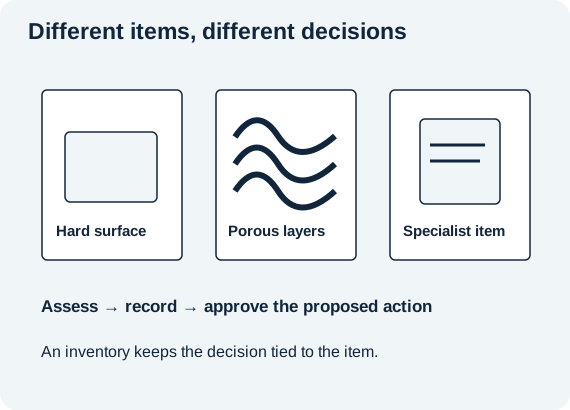
We start with an inventory of the items and materials included in the request.
Tell us about furniture, clothing, stored possessions, documents and other items near the affected area. Identify valuables and sentimental belongings early. Do not move suspect items through unaffected rooms just to prepare for a visit.
Within our mold cleanup services for Gettysburg homes, the material, condition and extent of contamination determine the available options for belongings. A description or photograph can help us plan the assessment, but it cannot confirm that every item is restorable.
What does our cleaning scope cover?
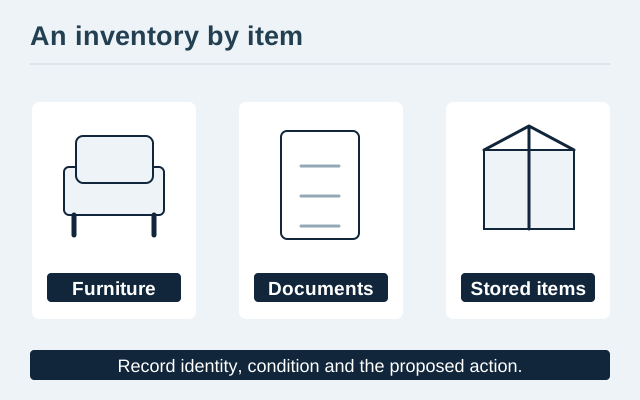
We identify the proposed action, handling arrangements and limits for each item or clearly defined group.
The estimate separates cleaning from packing, transport, storage and return where those are needed. It identifies which of these tasks we will perform and which are outside the agreed service.
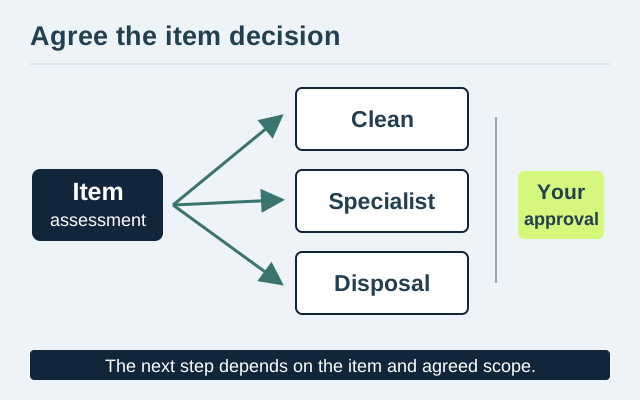
We explain whether an item is being assessed for cleaning, referred for specialist evaluation or recommended for disposal. Disposal requires your agreement; an inventory is not blanket permission to discard possessions.
Can porous or valuable items be restored?
Some materials cannot be fully cleaned, and valuable or specialist items need an individual decision.
The EPA cleanup guidance notes that affected porous materials can be difficult or impossible to clean completely and recommends consulting a specialist for valuable or sentimental possessions.
Tell us about photographs, artwork and electronics before authorizing treatment. Any specialist involvement and associated costs should be agreed separately rather than assumed to be included.
What records will we agree before handling items?
The contents plan connects the inventory, proposed action, approval and return or disposal arrangements.
Record descriptions, locations and accessible photographs. When items leave the property, agree their destination, storage arrangements and the record used to check them on return.
If an insurer is involved, ask what documentation it needs before disposal. Our contents scope describes the work; it does not determine whether the policy will reimburse it.
Which contents costs can be missed?
Ask for these boundaries before relying on a single cleaning total.
| Stage | Check | Record |
|---|---|---|
| Collection | Packing, labeling, and access | Itemized inventory |
| Treatment | Material-specific work and limitations | Proposed outcome |
| Storage | Duration, charges, and conditions | Written terms |
| Return or disposal | Delivery and approval requirements | Signed item record |
A practical decision example
How do you handle a box of family photographs?
A hypothetical owner finds a box of photographs near affected basement materials. Instead of asking a general cleanup crew to treat or discard the box immediately, the owner identifies its sentimental importance and asks about specialist assessment and controlled handling. The decision and any referral belong in the contents record, separate from the wall-cleanup scope.
Frequently asked questions
Can you quote for contents cleaning?
Yes. Tell us which belongings are affected and where they are located. We establish the assessment and handling requirements before quoting for the agreed cleaning scope.
Can every item be saved?
No. The material, condition and practical cleaning options determine what can be attempted. We explain item-specific limitations before you approve the proposed work.
Should I move everything before you arrive?
Please agree the handling plan first. Identify essential and valuable items, but avoid moving suspect belongings through other rooms solely to prepare for the assessment.
Technical references
Government and professional resources support the general guidance below. Examples explain general situations and are not reports of customer projects.