
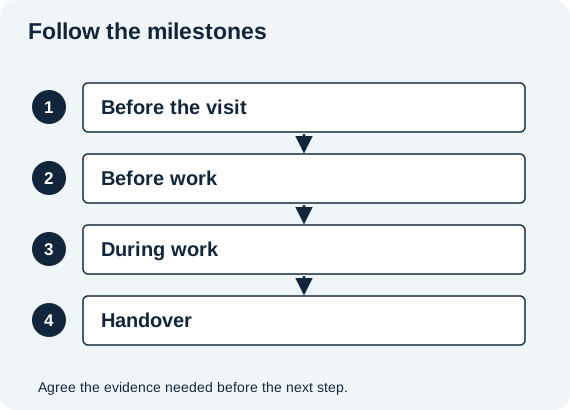
What should be agreed before the start date?
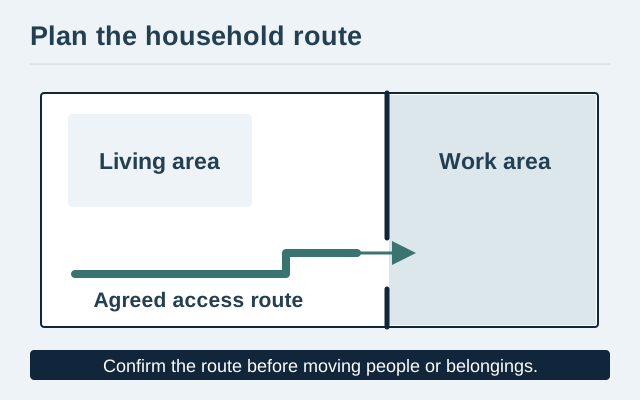
Confirm the written scope, access route, contents plan and household arrangements before the crew arrives.
Before our local mold remediation service begins, identify who opens the property, where workers and materials enter, and which areas must remain available. Discuss the only bathroom, stairs, work-from-home space or accessible route if they could be affected. The provider should explain any utility or HVAC arrangements relevant to the work.
Do not switch equipment, remove barriers or move suspect belongings as a preparation shortcut. Ask which tasks are yours and which the crew will perform. If a decision changes the scope or price, keep the revised agreement with the original proposal.
What should you gather before the visit?
Collect the water-event history, earlier repair records, accessible photographs, and any assessment reports.
Write down when you first noticed the issue and what you actually observed. Include prior leak repairs or recurring water entry, and distinguish documented facts from possible causes. Tell the provider which areas are difficult to access.
Do not open walls or disturb suspected hidden growth just to supply photographs. EPA describes investigation of concealed mold as a task that may require experience and caution in its building investigation guidance.
What access and household arrangements should you discuss?
Explain how the space is used and ask for the provider’s specific instructions for the planned work.
Identify bedrooms, essential routes, pets, visitors, remote work, parking, and delivery access. Ask where equipment and debris will move, which areas are restricted, and how updates will be communicated. Record who can confirm changes to the access plan.
Ask about heating or cooling arrangements if the project involves those systems. EPA advises against running a system known or suspected to be contaminated with mold. Individual health concerns should be discussed with a qualified medical professional; a contractor schedule is not personal medical advice.
Should you move furniture and stored items first?
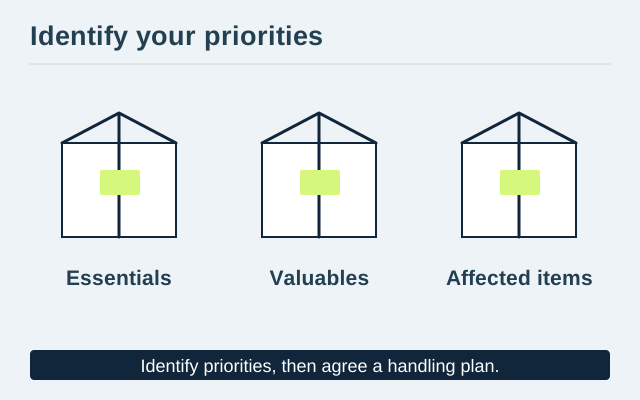
Ask the provider how belongings should be handled before moving them through other areas.
Identify valuable and essential items early so the plan can account for them. Ask whether packing, transport, storage, and return are included. Keep an inventory and require a clear disposal-approval process.
The contents-cleaning guide explains these boundaries. Before the start date, also confirm the agreed scope, contact details, payment milestones, and process for approving unexpected work.
What should you track during work and at handover?
Keep one record of changes, access instructions and unresolved actions so the project does not end with conflicting assumptions.
Nominate a household contact for approvals and a provider contact for day-to-day questions. Record new findings before expanded work is authorized. If access restrictions change, communicate them to everyone using the home, including arrangements for pets.
At handover, collect the agreed completion record, moisture-repair information and the next contractor’s scope. Use the project timeline to distinguish cleanup completion from the day rebuilding or normal use is expected.
What should be confirmed before the crew arrives?
Keep the practical plan with the contract and assessment records.
| Arrangement | Confirm | Contact or record |
|---|---|---|
| Access | Work routes and restricted areas | Provider instructions |
| Belongings | Handling and disposal rules | Item inventory |
| Schedule | Start date and dependencies | Project contact |
| Handover | Review, records, and remaining repairs | Completion plan |
A practical decision example
What if the work affects your only route through the home?
Tell the provider before confirming the start. In a hypothetical layout, the planned work area intersects an essential route. Ask the provider to explain the access plan and any arrangements needed for the household. Do not assume you can cross a controlled work area because the project only occupies one room.
Frequently asked questions
Should I clean the affected area before the inspection?
Ask the assessor before changing the condition they are coming to review. Do not disturb concealed materials to prepare the property. Share existing records and photographs, and request instructions specific to the planned assessment.
What records should I keep after the work?
Keep the original scope, changes, invoices, relevant moisture and completion records, review reports, and any written follow-up terms. Record remaining repair responsibilities so the end of cleanup is not confused with the end of rebuilding.
Should I clear out the affected room before the crew arrives?
Ask for instructions first. Moving potentially affected belongings may change the work area or carry material through unaffected rooms. Agree which items the provider will handle, which you may move, the route and any storage arrangements. Document valuable items before handling where this can be done without disturbing the affected area.
Which sources support this guide?
Government and professional resources support the general guidance below. Examples explain general situations and are not reports of customer projects.