
What are the signs of mold damage in a home?
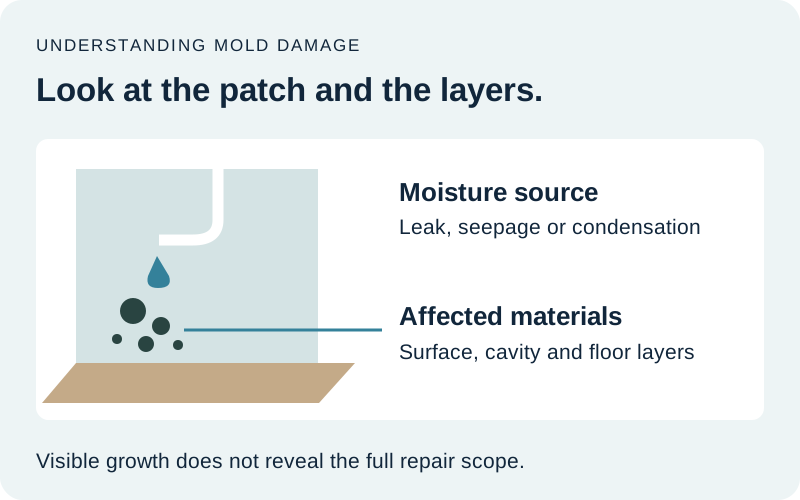
Visible growth, persistent musty odors and recurring dampness are reasons to investigate mold damage. Stained walls, bubbling paint or distorted flooring can also indicate water damage, but none of those signs alone identifies mold or establishes its full extent.
| Observation | What it suggests | What remains to be checked |
|---|---|---|
| Spotted or fuzzy growth | Suspected growth on a surface | Affected material, moisture and extent |
| Musty smell without visible growth | A possible concealed dampness problem | Nearby cavities and the source of moisture |
| Stained or peeling finish | Current or previous moisture exposure | Whether the material is dry and growth is present |
| Soft, swollen or sagging material | Physical deterioration needing assessment | Water damage, decay and any structural concern |
The Centers for Disease Control and Prevention (CDC) describes mold as spots of different colors, sometimes with a musty smell. A dark patch is not enough to identify a species. See our black mold guide for the limits of visual identification.
What is the difference between water damage and mold damage?
Water damage is the physical effect of unwanted moisture; mold damage involves fungal growth and affected materials. They often occur together, but a water stain does not prove that mold has developed.
A leaking pipe can swell a cabinet or weaken drywall before growth is visible. Mold can also develop with persistent condensation or humidity, without a flood. The investigation needs to establish both the water source and the condition of the affected materials.
For example, a basement wall may have a stained painted face, damp insulation behind it and sound framing. Those layers need different decisions. Replacing the finish without checking the cavity can leave the moisture problem unresolved. This is an explanatory scenario, not a diagnosis of your property.
Our water damage restoration service explains extraction and drying. A mold inspection can investigate suspected growth, odors and concealed-moisture clues.
How quickly can mold grow after water damage?
Mold can grow within 24 to 48 hours after flooding when materials remain wet. Growth after a leak also depends on the material, temperature and moisture; there is no universal safe waiting period.
CDC’s flood guidance describes that early growth window. The Environmental Protection Agency (EPA) recommends drying wet areas within 24 to 48 hours to help prevent growth. Begin promptly. A dry-looking surface does not establish that a wall cavity or carpet backing has dried.
If materials have stayed wet, growth is visible or the area smells musty, arrange assessment rather than relying on elapsed time to rule out mold. Stopping new water entry is part of the response.
Can mold-damaged drywall, carpet and belongings be saved?
Some sound, cleanable surfaces can be restored; moldy porous materials may need removal and replacement. The decision depends on contamination, physical condition and whether all affected layers can be reached and dried.
| Material | Possible outcome | Why assessment matters |
|---|---|---|
| Drywall and ceiling tiles | Affected porous material may need replacement | Growth or moisture can extend behind the visible face |
| Carpet and padding | Moldy layers may need disposal | Surface cleaning may leave growth in backing or padding |
| Solid wood | Sound wood may be suitable for cleaning and drying | Decay or loss of strength changes the repair decision |
| Hard, nonporous surfaces | Cleaning and complete drying may be possible | Adjacent joints, backing and cavities still need checking |
| Furniture, books and fabrics | Item-specific cleaning, specialist recovery or disposal | Porosity, value and the depth of damage affect salvage |
EPA cleanup guidance explains why mold can be difficult to remove fully from absorbent materials such as carpet. Its material guidance also identifies drywall and insulation among items that may need disposal after water damage.
Carpet that is wet but not moldy after a recent clean-water spill is a different situation from carpet with established growth or sewage contamination. Do not apply one cleaning method to all three. Our contents cleaning service addresses assessment of affected belongings.
Does mold damage wood or weaken the structure?
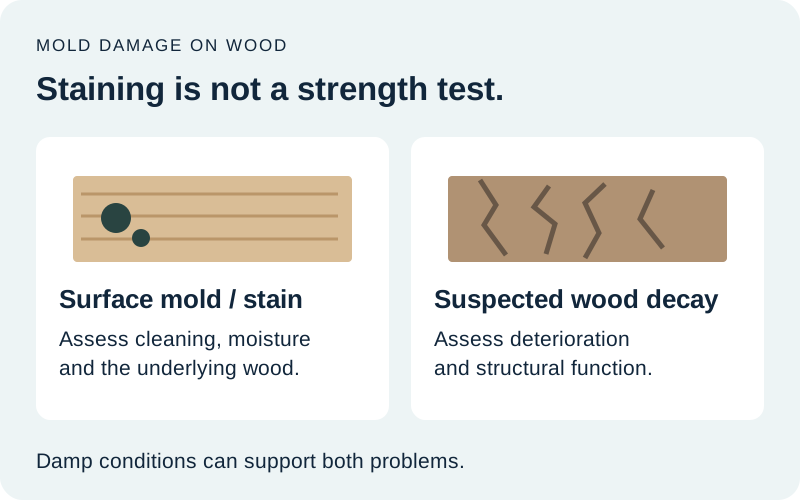
Mold can discolor wood, but visible mold alone does not prove a structural loss of strength. Wood-decay fungi and prolonged moisture can cause serious deterioration, so soft, crumbling or distorted structural members need separate assessment.
The USDA Forest Service’s 2021 Wood Handbook distinguishes mold and staining fungi from decay fungi. Mold and stains usually affect appearance most strongly, whereas decay can substantially reduce wood strength. Both problems can occur in a damp building.
Cleaning a beam does not restore strength lost to decay. A contractor or structural professional should assess suspected damage to load-bearing framing before it is concealed. Stay away from a sagging ceiling or unstable floor; do not probe it yourself to determine how weak it is.
Is mold from water damage dangerous?
Damp, moldy conditions can cause respiratory or allergic symptoms, and some people face greater risks. The color of growth and the size of a visible stain cannot determine an individual’s health risk.
CDC lists coughing, wheezing, eye irritation and skin reactions among possible effects. People with asthma, mold allergies, weakened immune systems or chronic lung disease may be more vulnerable. Discuss symptoms with a healthcare professional; a building inspection cannot diagnose their cause.
Keep people away from an active cleanup area. Whether occupants can remain elsewhere in the home depends on the affected area, work controls and individual health needs. A blanket promise that a mold-damaged home is safe would not account for those differences.
What should you do when you discover mold damage?
Address immediate hazards, stop the moisture source when safe and arrange an assessment of affected materials. Avoid disturbing growth or covering it with new finishes.
- Keep clear of unsafe areas. Standing water near electricity, a sagging ceiling or unstable flooring requires appropriate professional help.
- Control water entry safely. Arrange the necessary plumbing, roof or water-entry repair.
- Document what is accessible. Take photos without opening suspect cavities or entering unsafe rooms.
- Assess the cleanup scope. Establish whether growth is limited to a cleanable surface or involves porous and concealed materials.
- Notify the insurer or property manager where relevant. Keep a record of the discovery and necessary damage-limiting work.
EPA says a small area under about 10 square feet can often be handled by a homeowner, but significant water damage, contaminated water, suspected HVAC involvement or health concerns call for additional guidance or professional help. Do not direct fans at visible mold or run a suspected mold-contaminated HVAC system.
How is mold damage repaired?
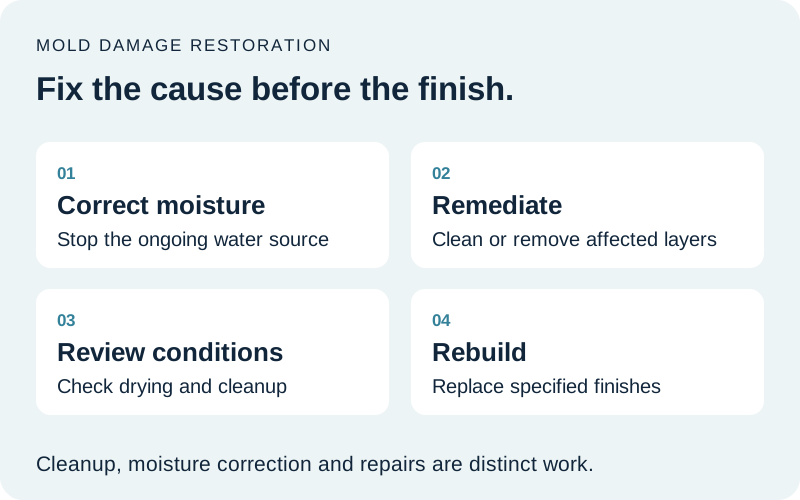
Mold damage restoration involves correcting moisture, removing or cleaning affected material, confirming conditions and then rebuilding where needed. The repair stage restores removed or damaged finishes after the cleanup requirements have been met.
- Assess and contain the work. Identify the affected materials and controls needed to limit spread.
- Remove or clean. Treat salvageable surfaces and remove material that cannot be adequately restored.
- Dry and review. Check relevant moisture findings and agreed cleanup criteria.
- Repair. Replace specified drywall, insulation, trim or flooring and complete the agreed finish.
Our mold damage repair service covers the rebuilding stage. If a separate completion assessment is required, post-remediation verification belongs before affected spaces are closed up.
How much does mold damage restoration cost?
$1,500 to $6,000 per project is a published national mold-remediation benchmark; rebuilding and moisture-source repairs may add to that amount. HomeGuide’s February 2026 cost data does not establish a Gettysburg price or an all-inclusive restoration total.
| Work | Published price | Unit and scope |
|---|---|---|
| Mold remediation | $1,500 to $6,000 | Per project; removal and cleanup benchmark |
| Drywall replacement | $1.50 to $3.50 | Per sq. ft. of surface area, labor and materials |
| Painting after drywall replacement | $1 to $3 | Per sq. ft. of surface area |
| Carpet replacement | $2 to $8 | Per sq. ft.; includes old carpet and padding removal |
| Insulation replacement | $1 to $4.50 | Per sq. ft. |
Source: HomeGuide’s February 5, 2026 cost guide. These are separate benchmarks with different scopes. Do not add a whole project range and component costs unless the component work is excluded from that quote.
A measured wall area is not the same as a room’s floor area. Access, concealed layers, contamination and finish matching also affect the price. Our mold remediation cost guide covers cleanup pricing in more detail.
Does homeowners insurance cover mold damage?
It may cover mold damage resulting from a covered event, but ongoing leaks, neglect and policy exclusions can prevent coverage. The cause of the moisture and your policy wording matter more than the mold’s color.
| Situation | Coverage consideration |
|---|---|
| Sudden pipe failure | Resulting mold may be covered if the event and resulting loss meet policy terms |
| Long-running leak or maintenance problem | Often excluded; do not assume a newly discovered stain is a newly occurring loss |
| Outdoor flooding | Ordinary homeowners coverage generally requires separate flood protection |
| Limited mold endorsement | Any applicable mold limit, deductible and exclusions still matter |
Progressive’s homeowners guidance describes coverage tied to an insured event and notes that mold coverage is often limited. The Pennsylvania Insurance Department confirms that standard homeowners and renters policies exclude flood damage.
A carrier’s name alone does not answer whether your particular loss is covered. Read our mold remediation insurance guide for further policy considerations.
Does renters insurance cover mold damage?
Renters insurance may pay for mold-damaged belongings when the mold results from a covered event. Coverage limits and deductibles apply, and the policy does not generally insure the building structure you rent.
Progressive’s renters guidance gives the example of a burst pipe damaging a tenant’s rug. Depending on the covered loss and policy, temporary accommodation may also be available. Ongoing neglect or outside flooding is generally treated differently.
The distinction between contents and the rented structure matters: damage to your sofa and damage to the landlord’s wall are different parts of the loss. Notify the property manager promptly and contact your insurer about your belongings. Responsibility for building repairs depends on the facts, lease and applicable requirements.
How do you document mold damage for an insurance claim?
Record the discovery date, visible damage, suspected water source and actions taken, then contact your insurer promptly. Keep inspection findings, item records and receipts together without delaying necessary action to limit further damage.
- Photos: affected rooms, materials and belongings, taken from a safe position.
- Timeline: when water entry, odors or growth were first noticed and reported.
- Evidence: inspection notes, moisture findings and any relevant plumbing or roof report.
- Costs: invoices for necessary emergency work and the proposed cleanup and repair scope.
Progressive’s property claims process notes that insurers may request photos, receipts or an adjuster visit. Ask how to document items that must be removed for safety. A restoration quote does not itself establish insurance approval.
How can you prevent mold damage after a leak?
Stop the water source, dry affected layers promptly and keep moisture from returning. Spraying a product, painting over a patch or replacing only the visible finish cannot achieve those steps on its own.
EPA moisture guidance recommends keeping indoor relative humidity below 60%, ideally 30% to 50%. Check condensation, ventilation and drainage as well as the repaired leak. Dehumidification does not fix water that continues entering through a pipe, roof or foundation.
Can you paint over mold damage?
Only after the growth has been addressed, the surface is dry and the material is suitable for refinishing. Painting over active growth hides the evidence without completing cleanup. Some stains may remain even after proper treatment; appearance alone cannot establish whether a cleanup is complete.
Who can help with mold damage in Gettysburg?
We can assess the affected area and quote for the agreed remediation and repairs. Our mold removal in Gettysburg, PA services address the cleanup stage, with rebuilding defined separately. Call (844) 578-3055 or request a property-specific quote.