
Can mold on drywall be cleaned, or does it need removal?
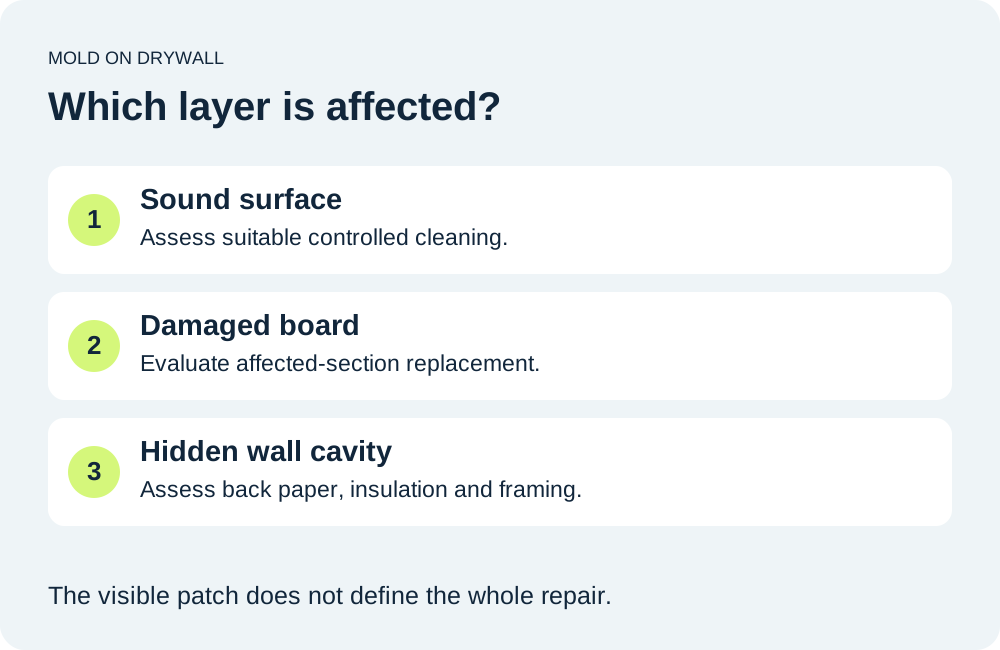
Cleaning may be possible for limited surface contamination on sound drywall; damaged board or inaccessible growth often requires removal. Decide by the affected layer, the board's condition and the water source. A small patch on intact paint is a different problem from mold growing through damaged paper or behind the wall.
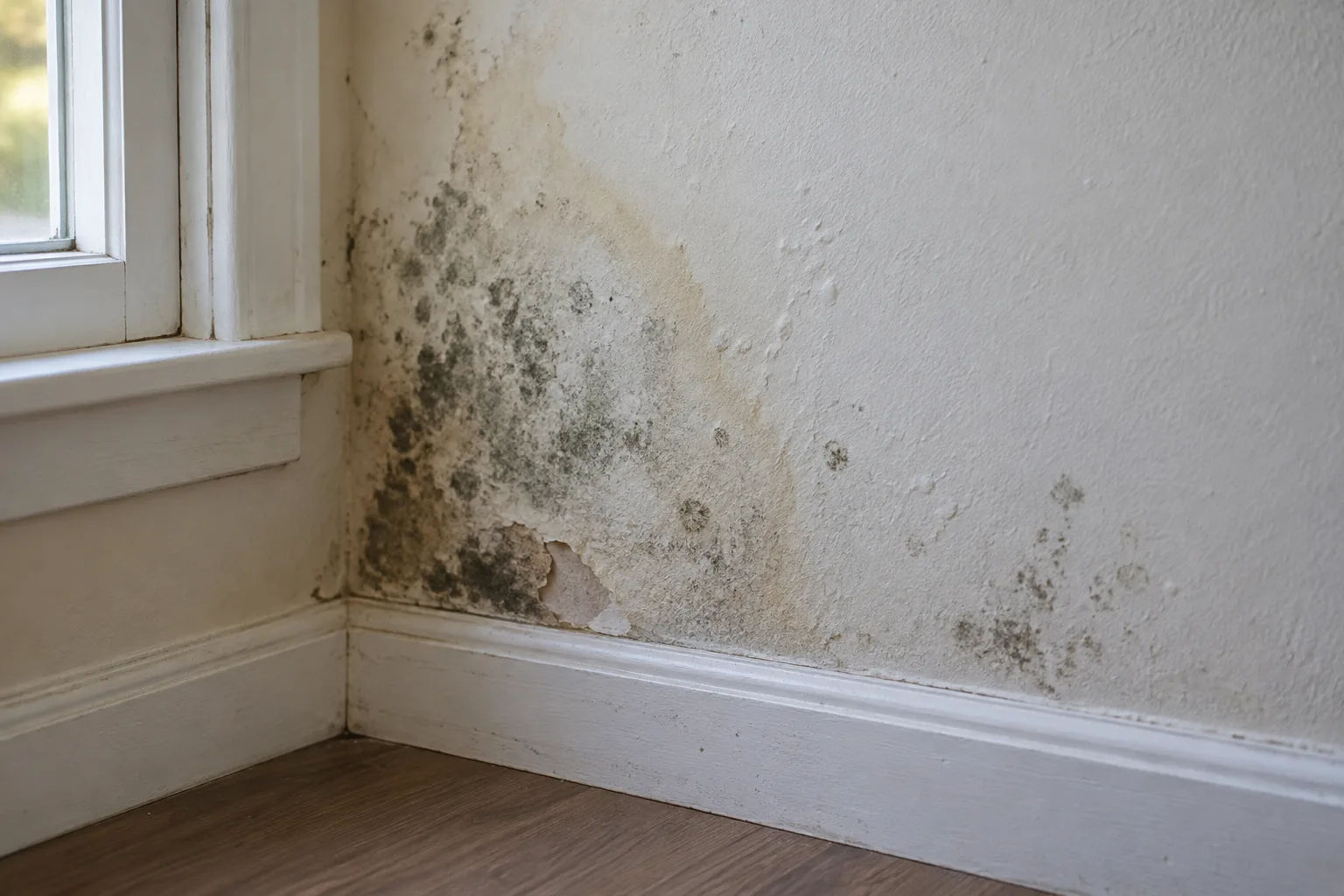
The EPA's material-specific remediation table includes HEPA vacuuming for small areas of affected wallboard, with removal among the options for larger problems. It does not say every mold spot requires replacing an entire wall. These are planning guidelines, not a guarantee that a particular board can be saved.
| Observed condition | Likely approach | What could change the decision |
|---|---|---|
| Small surface patch; firm board and intact finish | Assess whether controlled surface cleaning is suitable. | Recurrence, a leak history or evidence behind the board. |
| Torn or delaminating paper; soft or swollen board | Assess replacement of the damaged section. | The extent of deterioration and adjacent affected material. |
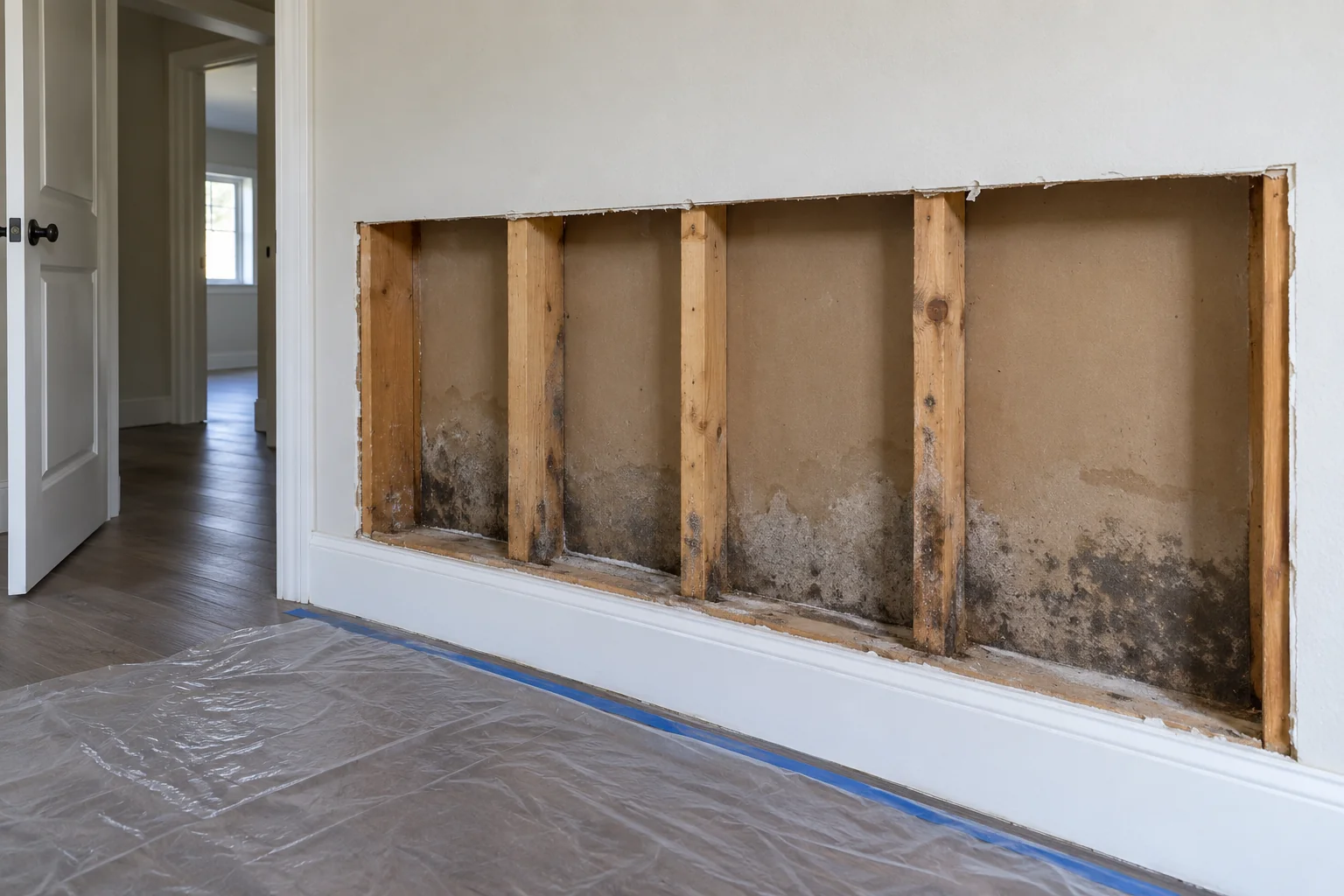
| Growth on the back face or inside the cavity | Plan controlled access and removal where needed. | Condition of insulation, framing and adjoining cavities. |
| Sewage or other contaminated water | Use a professional experienced in contaminated-water cleanup. | Water contamination changes the work even without visible mold. |
Drywall, gypsum board and Sheetrock are often used for the same wall material; Sheetrock is a brand. The relevant distinction is the panel's construction and condition. For related signs such as peeling finishes and soft materials, see our guide to mold damage.
How can you tell whether mold is inside the wall?
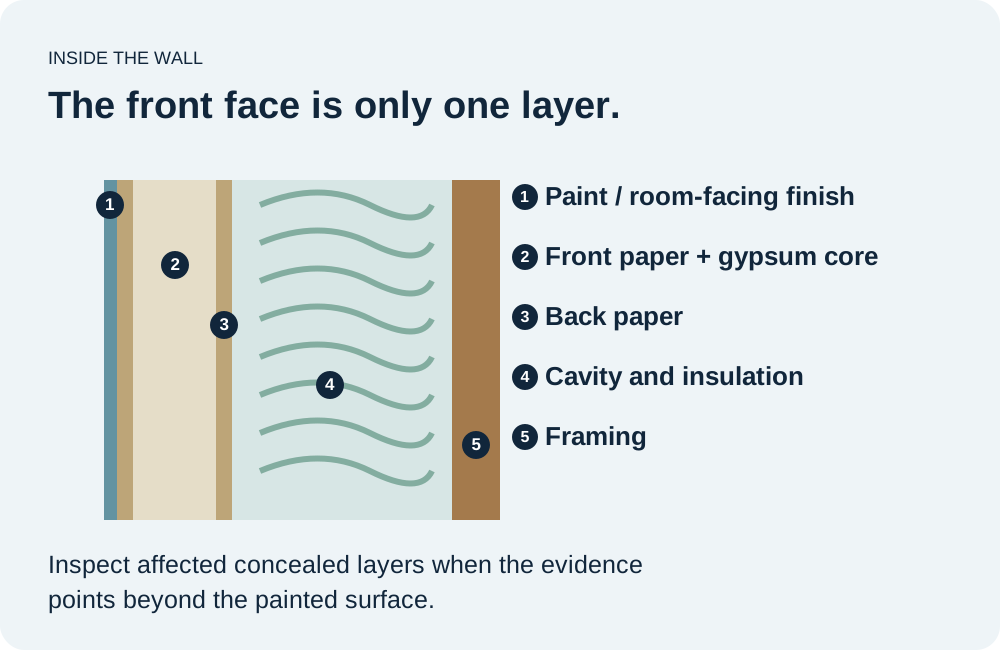
A leak history, persistent musty odor or recurring damage can justify a wall-cavity investigation, but none alone confirms hidden mold. A clean front face cannot establish the condition of the back paper, insulation or framing. Assessment may require carefully planned access rather than another coat of paint.
Map the concern to the building: a stain below plumbing suggests a different water route from condensation behind furniture on a cold exterior wall. These are investigation leads, not diagnoses. Record where the water entered and which surfaces became wet before deciding the opening's location.
A moisture meter helps locate or track damp material; it does not identify mold. The EPA's investigation guidance also warns that disturbing hidden growth, including behind wallpaper, can release spores. Do not tear open a suspect wall merely to identify a dark patch. A mold inspection can establish the access needed.
Does drywall always need replacement after a water leak?
No. Promptly dried wallboard affected by clean water may be salvageable if it has not swollen and its seams remain intact. That prevention scenario differs from a board with established mold, contaminated water or physical deterioration.
The EPA's water-damage table uses a 24 to 48 hour drying window to help prevent growth. It is not a promise that mold cannot appear sooner or a rule that every board becomes moldy at hour 49. Its wallboard advice calls for cavity ventilation where possible and replacement when the material cannot meet the stated conditions. Water-damaged cellulose and fiberglass insulation have separate replacement guidance.
The Gypsum Association identifies water source, exposure duration, temperature and board condition as factors in assessing water damage. It recommends replacement when there is doubt about retaining water-exposed board. A dry-looking face is therefore insufficient evidence for keeping the whole assembly.
For an active leak, address the source and arrange water damage restoration. Drying equipment does not repair a leaking pipe or reverse delamination.
How much moldy drywall should be removed?
Remove the affected material that cannot be adequately cleaned or retained, with the boundary set by actual conditions. There is no single cut distance that this guide can prescribe for every wall. The visible patch is a starting point for assessment, not a reliable map of the hidden damage.
For example, a leak reaching the bottom of a wall may affect insulation and the rear face beyond the visible stain. Conversely, a small surface concern does not establish whole-room contamination. Document which panels, cavities and adjacent materials are affected so that demolition follows evidence.
Removal and reconstruction are separate tasks. Cleanup must address exposed material before mold damage repairs close the opening. A firm wooden stud has different restoration options from crumbling wallboard; our mold on wood guide explains that distinction.
Can you clean a small mold patch on a painted wall yourself?
Sometimes, if it is a small, accessible problem and the material is suitable for cleaning. The EPA says homeowners can often handle areas under about 10 square feet, with important exceptions. This is not a safe-versus-dangerous boundary or permission to demolish a suspect cavity.
- Get experienced help for significant water damage, concealed growth or contaminated water.
- Assess the finish first. An intact washable surface differs from exposed, softened paper. Do not soak the board or sand away suspect growth.
- Consider exposure. Cleanup needs protection such as an N95 respirator, gloves and goggles, along with control of debris. Discuss personal health concerns with a clinician before doing the work.
Recurring growth warrants checking for unresolved moisture, affected material left behind or a new water problem. Repeated surface treatment does not establish that the wall is dry inside.
Will bleach or mold-resistant paint solve mold on drywall?
No product replaces removal of contamination and correction of moisture. A faded stain does not show that an affected wall cavity has been cleaned. Paint belongs after cleanup and drying, not over active growth.
The EPA does not recommend bleach as routine mold remediation. We do not recommend a universal bleach, vinegar or peroxide recipe for porous board. The correct approach depends on the substrate and whether it can be restored; damaged paper cannot be repaired by changing the cleaning liquid. Follow product labels and never mix cleaners.
What needs to happen before the wall is closed again?
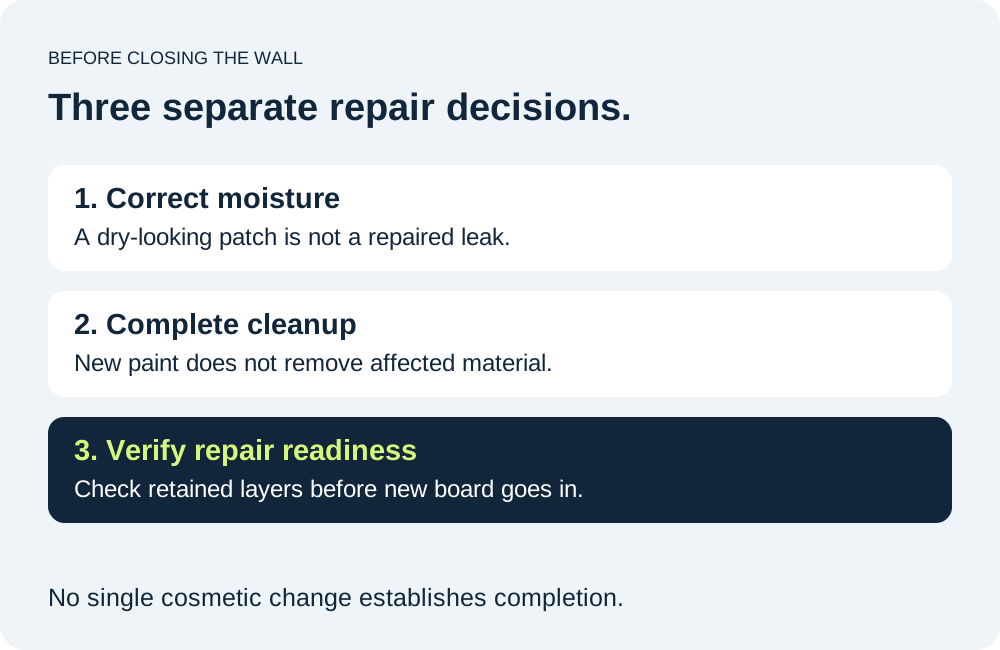
Correct the moisture source, complete cleanup and confirm that retained materials are dry and suitable for repair before installing replacement board. Finishing too soon can hide an unresolved cavity problem.
| Repair decision | Useful evidence | Insufficient by itself |
|---|---|---|
| The water source is corrected | The relevant leak, drainage or condensation cause has been addressed. | The wall no longer drips at this moment. |
| Retained materials are dry | Material-appropriate moisture assessment, including affected concealed layers. | A comfortable room humidity reading. |
| Cleanup is complete | Affected surfaces and retained materials have been assessed after cleaning. | Fresh primer or a pleasant smell. |
| The opening is ready for reconstruction | Damaged material is removed and the repair suits the existing assembly. | A new panel hides the opening. |
Does mold-resistant drywall prevent the problem from returning?
Mold-resistant board can improve resistance, but it cannot compensate for a continuing leak or persistent wet conditions. Product selection should follow the intended application, not simply the panel's color.
USG explains that resistant panels can use treated paper and cores or glass-mat facings. A laboratory mold-resistance score is not a promise of performance under every site condition. Verify the exact product rather than assuming that all green or purple boards have the same properties.
For a Gettysburg property with recurring wall growth, request an assessment through our mold removal in Gettysburg, PA service. The useful outcome is a defined moisture source, a justified cleaning or removal scope and a repair that addresses the affected assembly.