
What does our mold damage repair service include?
We price the materials and finishes needed to restore the areas included in your repair scope.
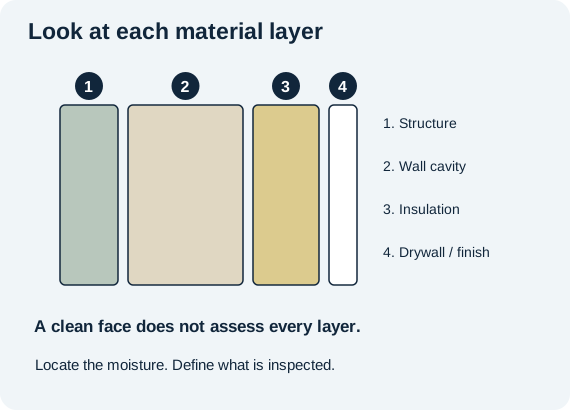
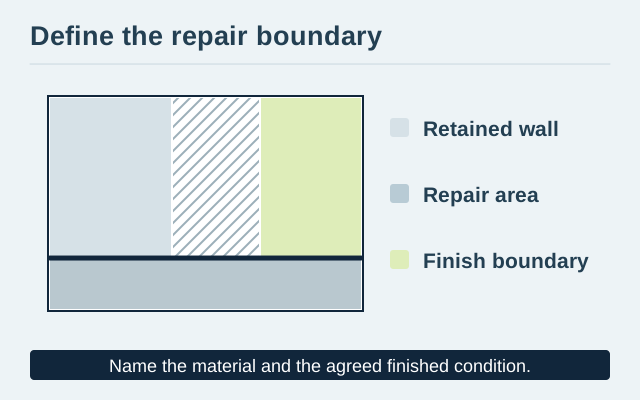
Work can include drywall, insulation, baseboards, flooring layers and paint. We distinguish the affected materials from adjacent finishes so you know where replacement ends and what matching work is included.
We plan mold removal and restoration in Gettysburg as separate stages, listing cleanup, rebuilding and moisture-source repairs individually. Optional remodeling is identified separately from the work needed to restore removed materials.
How do we decide when a room is ready for repairs?
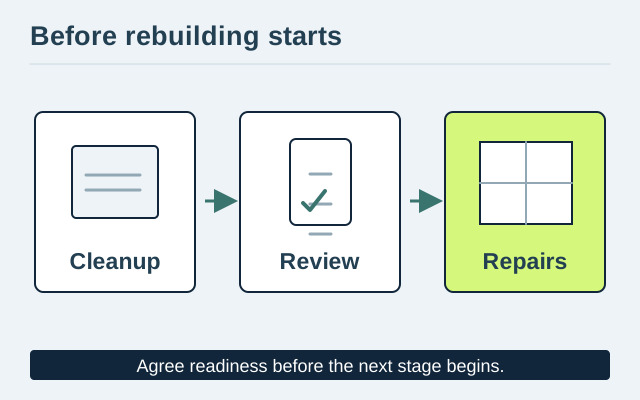
We review the cleanup handover and relevant moisture findings before enclosing the affected area.
The repair plan identifies outstanding findings and the person responsible for resolving them. A finished surface should not conceal a known unresolved moisture issue. The EPA mold guidance explains why correcting the water problem matters.
Where a separate completion assessment has been agreed, its findings become part of the repair handover. See our completion review service for the records to discuss.
Which materials and finishes will be replaced?
Your estimate identifies the room, material, quantity where assessed and proposed finished condition.
A wall can involve several separate layers: drywall, insulation, framing and trim. A flooring repair may involve a surface finish, underlayment or subfloor. We explain which layers are included and which need further assessment.
A stain alone does not establish structural damage. If a structural concern is identified, the appropriate assessment is a separate decision before cosmetic repairs proceed.
What happens if more damage is found?
We explain the new finding and proposed change before expanding the agreed work.
The revised scope records the affected material, additional work, price and schedule implications. You can distinguish necessary restoration from an optional upgrade before approving the change.
Keep the original estimate, approved changes and completion records together. If insurance is involved, your policy and insurer determine coverage; approval of our repair work is a separate decision.
What belongs in a mold repair estimate?
Your quote defines the room, materials and finished condition.
| Item | Specify | Resolve before signing |
|---|---|---|
| Walls | Drywall, insulation, trim, and paint boundaries | Who matches adjacent finishes? |
| Flooring | Affected layers and replacement area | What remains outside the allowance? |
| Moisture repair | Separate leak or water-entry work | Who confirms its status? |
| Changes | Concealed damage and optional upgrades | Who approves added cost? |
A practical decision example
How we define the finished condition
For example, replacing removed drywall can mean installation only, or it can include joint finishing and painting. We identify the intended finish in the estimate and separate optional changes. This is an example of scope planning, not a completed customer project.
Frequently asked questions
Can you quote for repairs after mold removal?
Yes. We can provide a repair quote based on the affected materials and the finished condition you need. The estimate identifies included repairs, exclusions and any assessment or moisture work that must be resolved first.
Does every affected room need complete rebuilding?
No. The repair scope follows the condition of the materials and the agreed cleanup work. We identify the areas that need replacement and explain any limits of the assessment.
Can repairs start immediately after cleanup?
The start depends on the agreed completion review, material conditions and any unresolved moisture work. We confirm the repair handover before closing affected cavities or installing finishes.
Technical references
Government and professional resources support the general guidance below. Examples explain general situations and are not reports of customer projects.