
What types of mold are most common in homes?
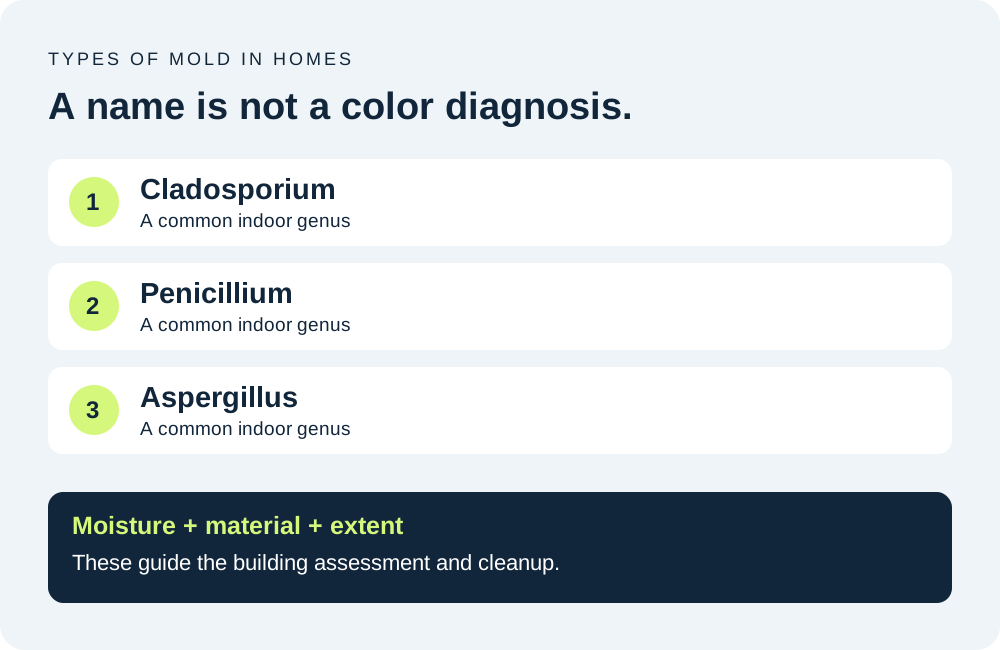
Cladosporium, Penicillium and Aspergillus are the most common indoor molds identified by the Centers for Disease Control and Prevention (CDC). These are genus names, not diagnoses you can make from a wall stain.
A genus groups related species. Aspergillus is a genus; Stachybotrys chartarum is a particular species. A list that mixes genus names, colors and terms such as “toxic mold” is mixing different ways of describing a problem.
Molds are fungi that reproduce through tiny spores. Spores occur indoors and outdoors; a wet surface gives them an opportunity to grow. Finding mold growth on a building material is different from simply detecting spores in the air.
| Name | What the name describes | What it means for the homeowner |
|---|---|---|
| Cladosporium | A genus on CDC's list of common indoor molds. | A name to recognize in laboratory findings, not a visual identification based on a dark patch. |
| Penicillium | Another genus commonly found indoors. | The name alone does not establish where a building is wet or which materials need attention. |
| Aspergillus | A genus containing multiple species. | A genus-level result is not a species-level identification or a measurement of someone's health risk. |
| Stachybotrys chartarum | A species associated with sustained moisture and cellulose-rich materials. | It can grow on materials such as gypsum board and paper. A black stain alone does not confirm it. |
| Chaetomium | A genus frequently recovered from damp building materials in a 2011 study. | A possible laboratory finding after water damage; appearance alone cannot establish the genus. |
| Acremonium | A genus associated with gypsum and wallpaper in that study. | A material association helps explain a finding, but does not identify every moldy wall. |
| Ulocladium | Another genus associated with damp gypsum and wallpaper in the study. | The laboratory name does not replace an investigation of the water source. |
| Aureobasidium pullulans | A species associated with wood and plywood in the study. | Dark staining on wood cannot confirm this species or distinguish surface growth from decay. |
The CDC's indoor mold overview supports the first three entries. Its Stachybotrys fact sheet explains the persistent moisture and material conditions associated with that species. This is a focused overview, not an exhaustive list of fungi that a laboratory might report.
The additional entries come from Andersen and colleagues' study of more than 5,300 samples from visibly affected building materials. These research associations are not Gettysburg prevalence figures or a way to identify a species by its location.
Can you identify a mold type by its color or a photograph?
No. Color, texture and a photograph cannot reliably identify a mold species or establish how hazardous an exposure is.
The U.S. Environmental Protection Agency (EPA) explains that even the same species can change appearance over time. A photograph can document the location and visible extent of a patch, but it cannot show the identity of microscopic spores, conditions inside a wall or a person's exposure.
| Observation | Useful information | What it does not prove |
|---|---|---|
| Black or dark growth | Where a surface needs closer assessment. | That the species is Stachybotrys, or that toxins are present. |
| Green, white or mixed-color growth | The visible appearance to document. | That the growth is harmless or belongs to a particular genus. |
| A musty odor with no visible patch | A reason to investigate moisture and concealed areas. | The precise source, species or size of the affected area. |
| A dry-looking stain after a leak | A record of surface discoloration. | That the underlying material is dry, or that cleanup is complete. |
For dark growth specifically, our guide to black mold signs and testing limits explains why “black mold” is a description rather than a laboratory result. Do not use a color chart to choose a chemical or decide that a room is safe.
Which materials and moisture conditions matter most?
The material, how deeply it is affected and the source of continuing moisture are more useful cleanup decisions than the color of the growth.
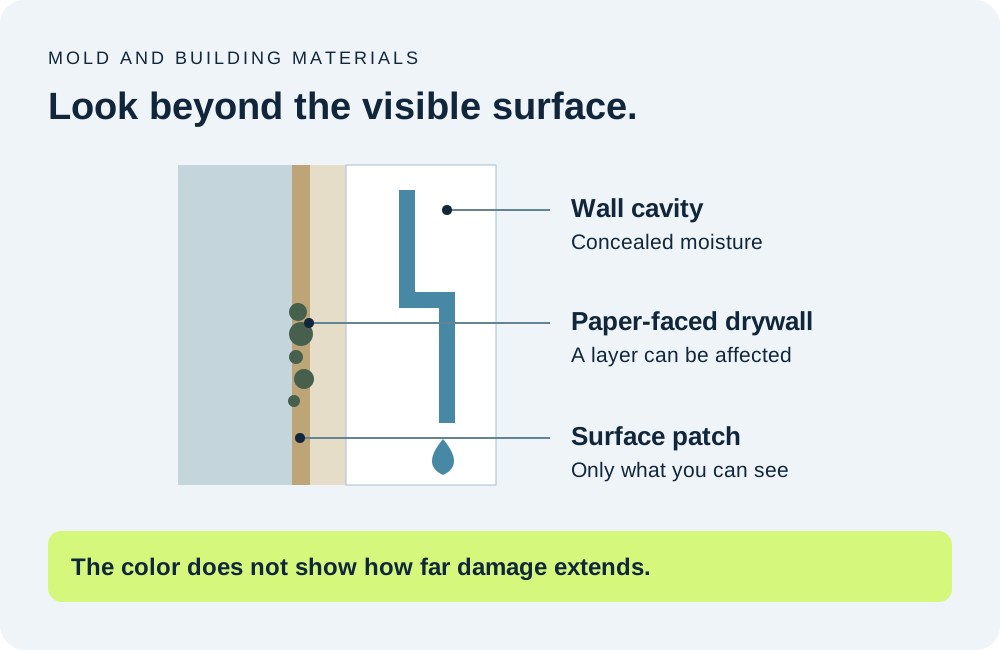
Mold needs moisture. A roof leak, a plumbing leak or condensation can affect more than the surface that first draws your attention. EPA's building investigation guidance identifies concealed locations such as the back of drywall, underneath carpet and above ceiling tiles. Opening those spaces can disturb contamination, so investigating a cavity is different from looking at an exposed surface.
| Affected material | Decision to make | What needs checking |
|---|---|---|
| Accessible hard surface | Whether growth can be physically removed and the surface dried. | Surface condition and the water source. |
| Porous ceiling tile or carpet | Whether the item can be cleaned effectively or needs disposal. | Growth within the material and any affected backing or adjacent layer. |
| A wall with concealed damage | How far the investigation and material removal need to extend. | The cavity, adjoining materials and cause of wetting. |
| Wood with suspected decay | Whether the issue includes loss of material strength. | Material condition, rather than assuming all discoloration is structural damage. |
EPA's basic cleanup guidance distinguishes cleanable hard surfaces from porous items that may need to be discarded. When materials require replacement, repairs after mold damage address the remaining building work after removal and drying.
Two example situations
Why can two similar dark patches need different work?
One patch may be limited to an accessible surface, while another is the visible edge of a wet assembly. Consider a small patch on a shower tile compared with a patch on a swollen wall beneath a leaking pipe. The color looks similar, but the second situation raises questions about the wall cavity and damaged material. Naming the species would not answer those questions.
These examples show a decision process, not a diagnosis of a photographed property. An inspection still has to establish the actual condition.
When is mold testing useful?
Testing is useful when a defined sampling question could change the investigation or cleanup decision. Visible mold usually does not need a test simply to confirm that it should be addressed.
EPA's sampling guidance recommends experienced professionals for designing and interpreting samples. There is no federal mold concentration limit that a household result can use as a universal pass or fail standard.
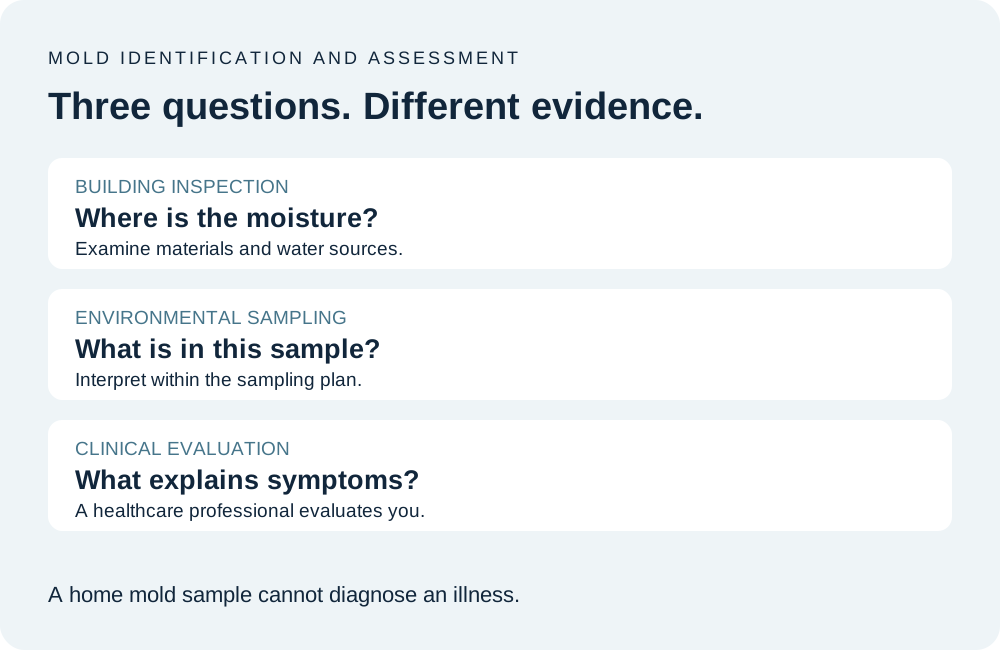
- Inspection question: Where are moisture and affected materials? An inspection of the building and moisture conditions addresses this.
- Identification question: What is in this particular sample? A laboratory method may help answer it, with limits on identification and representation.
- Health question: What explains a person's symptoms? That belongs with a healthcare professional, not a home sampling kit.
Are black molds more dangerous than other types?
A black color does not make mold inherently more dangerous than another color. Health effects depend on the person and exposure, and cannot be ranked from appearance.
The National Institute for Occupational Safety and Health (NIOSH) states that color does not indicate whether mold is more or less dangerous. Some molds can produce mycotoxins, but that does not turn a household color label into an exposure assessment.
CDC reports that damp environments can affect people with asthma, mold allergies, chronic lung disease or weakened immune systems differently. Discuss persistent or concerning symptoms with a clinician. Do not postpone correcting a moisture problem while trying to label the patch “toxic” or “non-toxic.”
Is mildew a separate harmless type of mold?
No. “Mildew” is a common term for certain mold or fungal growth, often growth with a flat appearance. The word does not establish that a surface is harmless.
The EPA's explanation of mold and mildew treats mildew as a descriptive term. Calling a shower patch mildew does not explain whether a failed seal or hidden moisture is involved. Base the response on the material and dampness, rather than on the household name.
How can you prevent different types of household mold?
Control moisture: fix leaks, dry wet materials within 24 to 48 hours and keep indoor relative humidity below 60%, ideally between 30% and 50%. The same moisture-control principles apply regardless of the mold's name.
These targets come from EPA's home mold guide. They reduce conditions that support growth; they are not a guarantee that a wet wall cavity is dry.
- After a leak: correct the leak and assess wet layers, including backing and adjacent materials.
- In bathrooms and kitchens: vent moisture outdoors and address recurring condensation.
- In damp rooms: measure humidity and use appropriate ventilation or dehumidification. Lower room humidity does not repair a plumbing leak.
- After cleanup: investigate growth or dampness that returns instead of repeatedly coating or wiping the same patch.
Does the mold type change how it should be removed?
The basic goals stay the same: remove the growth and correct the moisture problem. The practical method depends on the affected material, extent and access.
EPA says a homeowner can often address an area smaller than about 10 square feet, but this is not a safety guarantee. Significant water damage, contaminated water, suspected HVAC involvement or health concerns require a different assessment. Review the conditions in EPA's home cleanup guidance before deciding to do the work yourself.
For a Gettysburg property with recurring growth, damaged materials or a concealed source, our mold removal in Gettysburg, PA starts with the building conditions that determine the work. The genus name alone cannot define the scope of a remediation quote.
- Locate and correct the moisture source.
- Establish which accessible and concealed materials are affected.
- Choose removal, cleaning and drying methods appropriate to those materials.
- Check the completed work and investigate any renewed dampness.